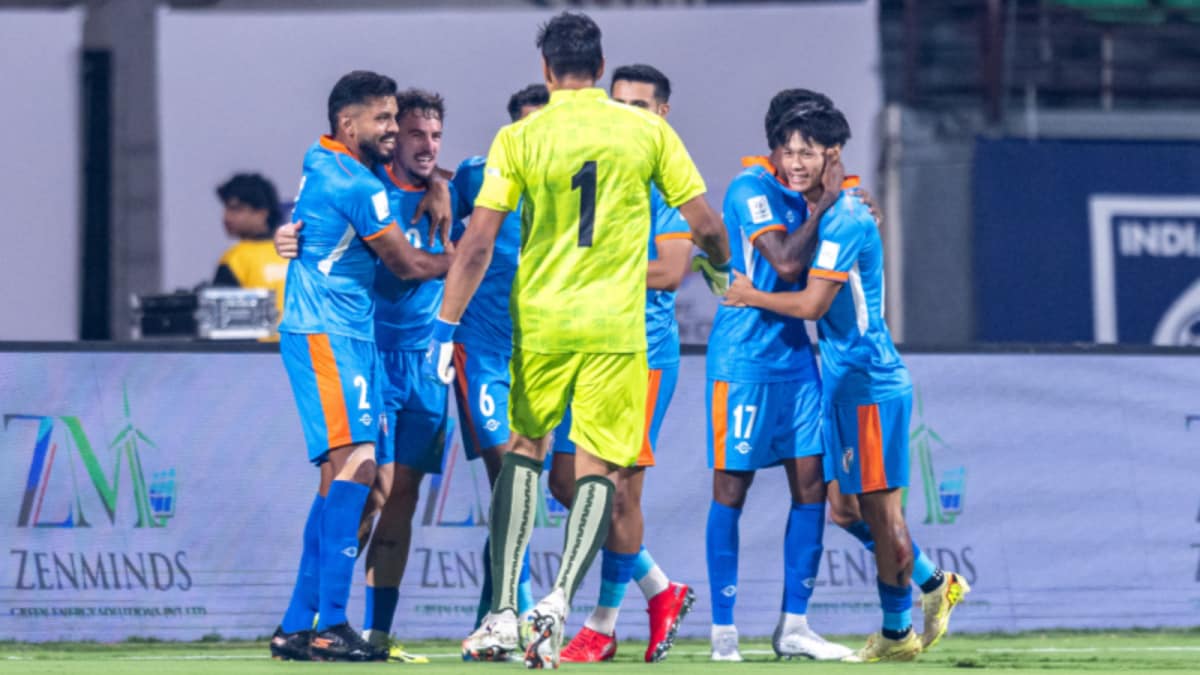
India to play Unity Cup 2026 in London, facing Jamaica in semifinal on May 27, with Nigeria and Zimbabwe in other tie, marking Indias first UK tournament in 24 years
Honestly, when I first heard that the Blue Tigers were flying back to the UK after such a long time, I felt a mix of excitement and a little nostalgia. You know, back in the early 2000s, cricket was the only sport that got us all talking about overseas tours. But now, football is stepping up, and the whole nation seems ready to rally behind the team. The Unity Cup 2026 will be held from the 26th to the 30th of May, and it's not just any ordinary series of friendlies – it’s a compact, four‑nation tournament that promises some good football and a chance for the players to learn from each other.
What makes this even more interesting is the venue. The Valley, which is the home stadium of Charlton Athletic FC, will host all the matches. If you’ve ever walked past that ground while commuting on the DLR or taken a quick trip to Greenwich, you’ll know it’s a proper football venue with a decent capacity and a pretty enthusiastic local fanbase. It’s a far cry from the sprawling stadiums we have back home, but the intimate atmosphere could work in favour of the Blue Tigers, especially against teams that are used to playing in larger European arenas.
One thing I’m keeping an eye on is how the Indian side will cope with the English weather. Late May in London can be a bit unpredictable – you might get a sunny drizzle in the morning and a chilly breeze by afternoon. I remember my uncle once telling me about his football trip to England in the early 2000s, and he said the weather was almost a player itself. So, the team will have to adapt quickly, both on and off the pitch.
The tournament line‑up is simple yet intriguing. Apart from India, we have Nigeria, Jamaica, and Zimbabwe. Nigeria, known as the Super Eagles, have a rich footballing history and have graced several World Cups. Jamaica, the Reggae Boyz, surprised many with their World Cup appearance in 1998 and will be a familiar foe – after all, we last met them back in 2002. Zimbabwe, on the other hand, is a team that has been making steady progress in African football circles. For Indian fans, the chance to see their boys go up against such varied styles of play is a treat.
India’s Schedule For Unity Cup
Let’s break down what the calendar looks like for us. The first semi‑final, featuring Nigeria against Zimbabwe, will kick off on May 26. I’m not sure how the timings will work for Indian viewers, but I bet most of us will be up late, sipping chai, and watching the match on TV or streaming it online. The second semi‑final, where India will finally meet Jamaica, is scheduled for May 27 at 19:30 BST. That translates to midnight in Indian Standard Time, so it’s basically a late‑night watch party for many of us. I can already picture a few friends gathering in a balcony, spreading out blankets, and turning on the big screen to catch the action.
Should India manage to beat Jamaica – which would be a massive morale boost – we’ll be looking at the final on May 30 against the winner of the Nigeria‑Zimbabwe clash. If things go the other way, there’s still a third‑place playoff that promises a decent amount of football before the tournament wraps up. The tickets for the matches are being sold on the official Unity Cup website, and I’ve seen a few fellow fans booking them early, hoping to get a seat near the pitch. Watching the Blue Tigers live, especially after such a long gap, would be a memory to cherish.
From a player’s perspective, the schedule is tight but manageable. With just a few days between matches, the coaching staff will have to manage recovery, tactics, and travel logistics efficiently. It reminds me of the way Indian cricketers plan their rest days around a series of ODIs – you need that balance between staying sharp and not overexerting.
Return To UK
This trip is more than just a series of games; it’s a symbolic return. The last time India played in the United Kingdom was in 2002, and those two friendly matches against Jamaica were memorable for very different reasons. We lost 0‑3 in Watford – I remember watching that on a small television set at my cousin’s house, and we all felt the sting of the defeat. However, the goalless draw in Wolverhampton later that year gave us a glimpse of defensive resilience. Those matches were over two decades ago, and the football landscape has changed a lot since then.
Back then, the Blue Tigers were still trying to find a consistent identity on the international stage. The players were mostly amateurs or semi‑professionals, and the infrastructure was nowhere near what we have today. Fast forward to 2026, the Indian men’s football team now has a more structured domestic league, better training facilities, and a growing pool of talent. Yet, stepping onto British soil – even if it’s just at The Valley – feels like a big step forward.
To give you an everyday analogy, imagine a small town’s school winning a state‑level competition after a long gap. The excitement isn’t just about the win; it’s about the journey, the hard work, and finally being recognized on a larger platform. That’s exactly how many Indian football fans are perceiving this UK return – a chance for the nation to be seen and heard on a bigger footballing stage.
One more thing – the Blue Tigers have never faced Nigeria or Zimbabwe before. That adds another layer of novelty to the tournament. Playing against teams from different continents, each with its own style, will expose Indian players to new tactics and rhythms. It’s like when we travel to different Indian states and taste the regional cuisines – you learn a lot about the diversity that exists beyond your own doorstep.
AIFF Reaction
Speaking of excitement, the All India Football Federation’s Deputy Secretary General M Satyanarayan recently shared his thoughts, and it reads almost like a proud parent’s sentiment. He said, “We, at the All India Football Federation, are delighted that the Indian men’s national team will be returning to the United Kingdom after 24 years, and it is particularly special for us to participate in an international football tournament in the UK for the very first time.” I could hear the genuine enthusiasm in his voice when he gave this interview on a local sports channel.
Satyanarayan went on to highlight the value of facing strong opponents: “This tournament presents a valuable opportunity for the Indian team to compete against strong and respected opponents such as Nigeria, Jamaica, and Zimbabwe.” He also reminded us that these nations have rich footballing histories and have participated in FIFA World Cups, which makes the experience even more valuable for our players. He emphasized that such exposure is rare and that the federation is committed to making the most of this platform.
It’s reassuring to hear the federation’s perspective because often fans get frustrated with the lack of consistent high‑level competition. When the top brass acknowledges the significance of these matches, it adds credibility to the team’s efforts. Satyanarayan’s words also reflect a strategic vision – building experience now so that the team can be competitive in bigger tournaments down the line, perhaps even a World Cup qualification run.
For many of us, these statements also bring a sense of accountability. The AIFF is not just sending a squad; they are sending a message that they are investing in the growth of Indian football. The fans, the coaches, and the sponsors are all watching closely, hoping that this tournament becomes a stepping stone rather than a one‑off exposure.
In closing, Satyanarayan’s remarks were peppered with thanks to the organisers: “We thank the organisers for providing this opportunity and look forward to an exciting and competitive tournament.” That gratitude, I think, sets a respectful tone for the upcoming games and reminds us all that sport is as much about cultural exchange as it is about competition.
(With inputs from Agencies)
What It Means for the Fans Back Home
From a fan’s point of view, this tournament is a big deal. In many Indian homes, especially in smaller towns, football is still trying to carve out its space next to cricket. But you’ll find that whenever the national team steps onto an overseas field, there’s an immediate buzz – friends start sharing memes, social media lights up with #BlueTigers, and you see an influx of people wearing the team’s blue jersey even if they never owned one before.
One practical thing for fans is the ticketing. The official website is selling tickets, and I’ve seen a few people from Delhi and Bengaluru planning trips to London just to watch a match live. The cost is not cheap, but for a dedicated fan, it feels worth it. Even if you don’t travel, many local sports bars in Indian metros plan special screenings. In Hyderabad, my cousin’s café is already listing the Unity Cup matches on their board, promising free samosas for anyone who correctly predicts the final score.
Beyond the matches themselves, there’s a cultural aspect. The UK has a large Indian diaspora, and many of them have been following Indian football from afar. This tournament will bring those communities together, perhaps with Indian families organising mini‑parties and watching the game together while discussing the player’s performances in a mix of English and regional languages. It’s a beautiful blend of identity – being Indian, being British, and cheering for a common cause.
One personal anecdote: my uncle used to play football in the 80s in a small village in Uttar Pradesh. He always said, “If you get a chance to watch our team play abroad, grab it.” This is that chance for many of us. The excitement is tangible, and you can almost feel the collective heartbeat of a nation that’s eager to prove itself.
Looking Ahead: Building Experience for Future Tournaments
The Unity Cup 2026 isn’t just a standalone event; it could shape the way Indian football approaches future competitions. Playing against teams with World Cup experience gives the squad a realistic benchmark – they can see where they stand, what tactical gaps exist, and which areas need more training.
For instance, Nigeria’s physicality and pace are well‑known. If the Blue Tigers manage to hold their own against such a side, it could boost confidence ahead of the Asian Games or even World Cup qualifiers. Similarly, facing Jamaica’s technical flair could teach Indian midfielders to handle quick transitions better. Zimbabwe, with its robust defensive setups, offers a chance to practice breaking down organized backlines.
All these lessons are invaluable when you consider that the next big continental tournament for India could be the AFC Asian Cup. The experience gathered here will feed into the tactical planning, player selection, and even the mental preparation needed for larger stages.
Moreover, the tournament could spark increased interest among youngsters. When kids see the national team traveling abroad and competing well, they’re more likely to take up the sport seriously. That, in turn, could expand the talent pool, which is needed if India wants to become a regular at major tournaments.
Finally, the exposure might attract more sponsors willing to invest in the sport. When a team consistently appears in international fixtures, it becomes more marketable, leading to better funding for training facilities, youth academies, and overall development programs. It’s a positive feedback loop – success breeds support, and support nurtures future success.
Conclusion
All in all, the upcoming Unity Cup 2026 feels like a breath of fresh air for Indian football. It combines the nostalgia of a long‑awaited return to the UK with the excitement of confronting new opponents and gaining priceless experience. Whether the Blue Tigers walk away with a trophy, a draw, or just a few hard‑earned lessons, the journey itself will be celebrated by fans across the country.
So, mark your calendars, set your alarms for midnight IST, and maybe keep a hot cup of chai handy. This could be a turning point, a story that we’ll tell our friends and family for years to come – about how we stood together, cheered loudly, and supported our boys as they stepped onto a foreign field, ready to make their mark.