Namo Bharat RRTS Extension: Dreams of a Faster Delhi‑Rishikesh Link
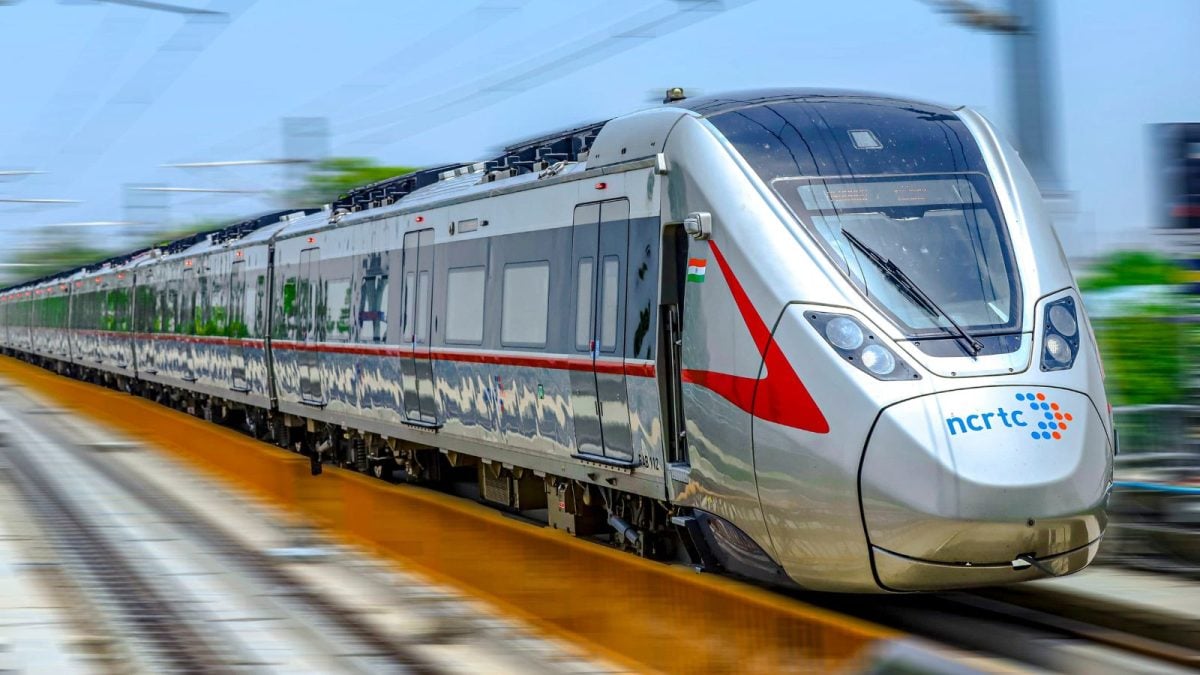
Honestly, when I first heard about the idea of zipping from Delhi to Rishikesh in just three hours, I thought it was a bit of a pipe‑dream. But then I started digging into the details, and it turns out the state government is actually pushing hard for this to become a reality. Uttarakhand’s Chief Minister Pushkar Singh Dhami recently met with Haryana’s Chief Minister Manohar Lal Khattar and asked the Centre to Green‑light the Namo Bharat RRTS extension that would stretch from Meerut all the way up to Haridwar. He even put forward an extra idea – a metro corridor that would link Dehradun, Haridwar and Rishikesh. It sounds ambitious, but the core aim is simple: create a faster, smoother rail link between Delhi and the holy towns of Uttarakhand, and in the process give a big boost to the region’s connectivity, tourism and overall infrastructure.
Current Namo Bharat Service and the Vision for Expansion
Right now, the Namo Bharat train runs between Sarai Kale Khan in Delhi and Modipuram in Meerut. It’s already a popular choice for daily commuters because it skips the traffic snarls that plague the Delhi‑Meerut highway. The proposed extension would simply take that line northwards along NH‑58, hitting a string of towns that are currently dependent on road transport. The route would pass through Daurala‑Sakauti, Khatauli, Purkazi, Roorkee, Jwalapur (which is essentially a part of Haridwar) and then finally roll into Rishikesh.
What I find interesting is how this line isn’t just a “railway” – it’s being marketed as a rapid transit system, meaning trains will run at higher speeds with fewer stops. That could make the Delhi‑Haridwar‑Rishikesh stretch feel more like a high‑speed connection rather than a regular commuter line. For folks like me who love a quick weekend getaway to the hills, this could be a game‑changer.
Travel Time: From Six Hours on the Road to Under Three on the Rail
If the numbers hold true, the travel time from Delhi to Rishikesh could be slashed to roughly 2.5–3 hours. Think about it: instead of waking up at dawn, battling traffic on the Yamuna Expressway, then facing the winding roads of NH‑58, you could simply board a comfortable train in the city centre and be sipping tea by the Ganga in Rishikesh before lunch. That’s a massive reduction, and it’s not just about convenience. Shorter travel times tend to increase the attractiveness of a destination, which means more tourists, more weekenders and, eventually, more business for local hotels, homestays and even small eateries that rely on a steady flow of visitors.
In my own experience, a road trip from Delhi to Rishikesh often turns into an all‑day affair, especially when you factor in the occasional traffic jams near Meerut or the occasional roadwork near Roorkee. A rapid rail link would take all that hassle out of the equation. I can already picture a scenario where my friends and I plan a one‑day trek to the Beatles Ashram, hop onto the Namo Bharat at Sarai Kale Khan, and be there by mid‑morning without even needing a driver.
Economic Ripple Effects and Real‑Estate Opportunities
Beyond the sheer travel convenience, the corridor is expected to act as a catalyst for economic growth across western Uttar Pradesh and Uttarakhand. The line will essentially turn Modipuram – the current north‑terminus of Namo Bharat – into a major transit hub. When a hub like that pops up, you typically see a surge in commercial activity: logistics parks start sprouting, office spaces get booked, and new residential projects begin to take shape to house people who want to live close to the transit point.
Take Muzaffarnagar, for example. It already has a strong agrarian base, but with better rail connectivity to Delhi, it could attract manufacturing units that need to ship goods quickly. Similarly, Roorkee – known for its engineering college – could see a rise in student housing demand. Imagine a student from Delhi who wants to study at IIT Roorkee; a fast rail link would make daily commuting feasible, opening up a whole new market for rental apartments and hostels.
And let’s not forget Haridwar and Rishikesh. These cities are already pilgrimage hubs, but a rapid link could push them further up the tourism ladder. Investors might start looking at building upscale holiday homes, boutique hotels or even eco‑friendly resorts, banking on the fact that travelers will be able to get there quickly and comfortably.
Land Acquisition, Environmental Hurdles and Cost Concerns
Of course, nothing comes without challenges. One major hurdle is the stretch that runs close to Rajaji National Park. The park is home to elephants, tigers and a myriad of other wildlife, so any rail work nearby will need stringent environmental clearances. The authorities will have to conduct thorough impact assessments, possibly even redesign portions of the track to avoid disturbing habitats.
Then there’s the issue of land acquisition along NH‑58. Property prices in parts of western Uttar Pradesh have been climbing steadily, especially near towns like Khatauli and Purkazi. Buying that land for a rail corridor could become pricey, and the project’s overall budget could swell as a result. In many past infrastructure projects, land‑related disputes have caused delays, so there’s a real risk of the Namo Bharat extension hitting similar snags.
Finally, the terrain near Rishikesh is a bit tricky. The area is hilly, and laying tracks on a plain slope isn’t always feasible. Engineers might have to go for elevated viaducts or even tunnels to keep the train’s speed high. Those structures are not cheap, and they could push the per‑kilometre cost way above the standard for flat‑terrain RRTS lines.
Social Impact: What It Means for People on the Ground
From a social perspective, faster connectivity could level the playing field for students, workers and entrepreneurs. A youngster from a small village near Daurala could now consider studying in Delhi without having to relocate permanently. A small business owner in Haridwar could ship products to the national capital in a matter of hours rather than days, widening their market reach.
On the flip side, there’s always a concern that rapid urbanisation spurred by such projects might inflate living costs. We have already seen in places like Noida and Gurugram how a surge in infrastructure led to higher rents and property rates. If the Namo Bharat line brings similar growth, residents of towns along the route may need to brace for rising expenses.
Comparisons with Other Transit Projects
When I compare this proposal with other high‑speed rail projects in India – say, the Mumbai‑Ahmedabad bullet train or the Delhi‑Varanasi high‑speed corridor – the Namo Bharat extension feels more region‑focused. It’s not just about connecting two megacities; it’s about stitching together a network of mid‑size towns, pilgrimage sites and educational hubs. That kind of regional integration could set a template for future projects in other parts of the country.
Moreover, unlike the bullet train that will cost upwards of ₹1 lakh crore, the RRTS model is relatively cheaper and uses existing railway technology. That makes it more realistic for the government to push through, provided the environmental and land issues are handled properly.
Road Ahead: What Needs to Happen Next?
So, what are the next steps? First, the central government needs to clear the project’s feasibility study and give the Green light for land acquisition. Then, environmental clearances, especially around Rajaji National Park, have to be obtained – a process that could take months if not years, depending on how quickly the authorities act.
After that, the detailed engineering design will need to address the hilly sections near Rishikesh. The planners will have to decide whether to go for tunnels, viaducts or a combination of both. Once the design is finalised, the tendering process for construction contracts can begin.
In my view, all of this will require a coordinated effort between the Delhi Metro Rail Corporation, Indian Railways, the Uttarakhand state government and the Haryana government. If each stakeholder pulls its weight, we could be looking at a functional rail link within the next few years.
Personal Takeaway
Personally, I’m excited about the possibilities. I’ve taken the road to Rishikesh countless times, often stuck in traffic near Delhi’s ring road, waiting for the NH‑58 to clear. The idea of hopping onto a comfortable train, sipping a hot cup of chai while the landscape rushes past, and being out on the Ganga banks by noon feels almost too good to be true. If the project does go ahead, it could change the way many of us plan our weekend trips, holidays and even business trips to Uttarakhand.
At the same time, I’m aware that big infrastructure projects often run into delays, cost overruns and community push‑backs. So, while I’m optimistic, I’ll keep my expectations realistic and hope the authorities manage to balance development with environmental and social concerns.
Kerala ElectionsAssam ElectionsPuducherry ElectionsKerala Voter TurnoutAssam Voter TurnoutPuducherry Voter Turnout