First Impressions in Zagreb
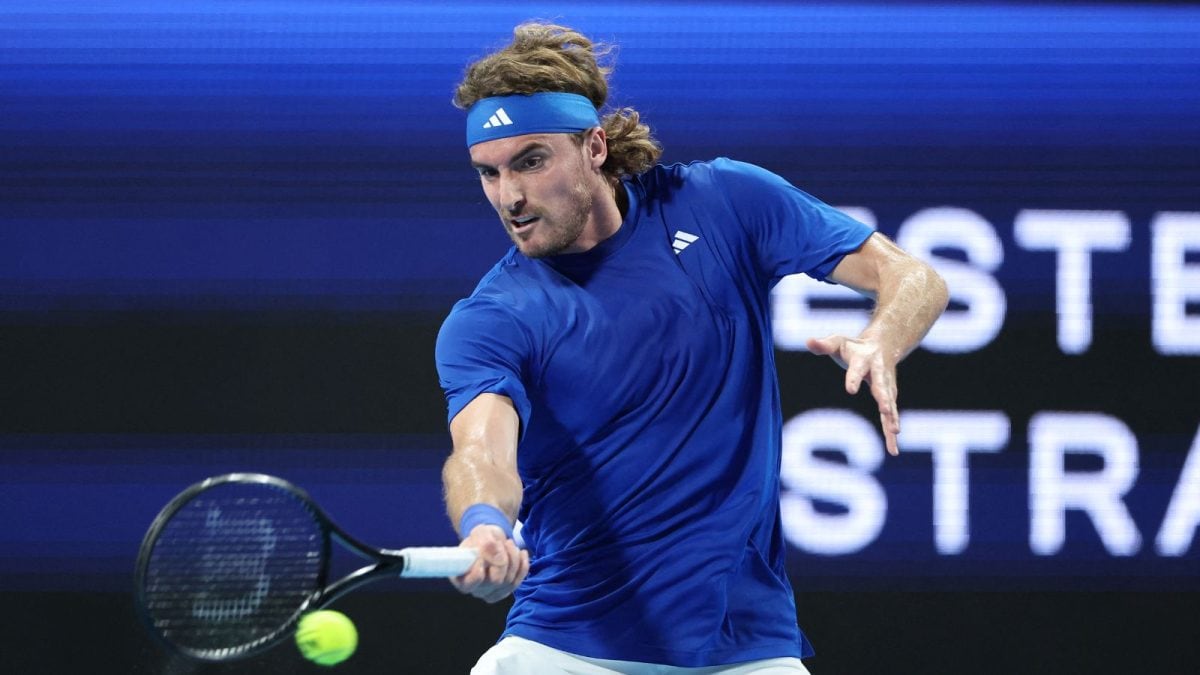
When I first heard that former Wimbledon champion Goran Ivanisevic had taken up the coaching job for Greek talent Stefanos Tsitsipas, I thought it could be a game‑changer. After all, Goran Ivanisevic had helped Novak Djokovic lift 12 Grand Slam trophies, so the expectation was sky‑high. I watched a short video where Goran Ivanisevic walked into a training court in Zagreb with a bag of rackets, and instantly the vibe felt different. You could almost picture a cricket coach walking onto the pitch with a new bat, hoping it will click for the batsman.
What struck me was that Goran Ivanisevic, with his calm, towering presence, seemed to be watching more than just the forehand strokes. Within the very first couple of days, the conversation turned from technique to mindset. Goran Ivanisevic told the media that by the second day of training, he could tell that Stefanos Tsitsipas wasn’t mentally prepared for the upcoming challenges. That comment hit me like a sudden traffic jam during rush hour – it stops you in your tracks and makes you think about the reasons behind the slowdown.
Why Mental Readiness Matters So Much
In the world of tennis, physical fitness is obvious – you see it in long rallies, strong serves, and the ability to chase every ball like a bus driver chasing a late passenger. But mental toughness? That’s the invisible part you only notice when it’s missing. Goran Ivanisevic explained that modern tennis demands a kind of resilience that goes beyond just hitting a clean forehand. He said, "In today’s tennis, you cannot play if you aren’t mentally prepared. I had those problems as a tennis player too." That honesty reminded me of my own experience during college exams – you can study all night, but if your mind is not in the right place, the paper becomes a nightmare.
Goran Ivanisevic also highlighted that Stefanos Tsitsipas, despite being a phenomenal talent, seemed to lack this mental edge during their Zagreb sessions. The coach pointed out that the Greek player’s body was also not at peak condition, suggesting a double whammy of physical and mental unpreparedness. It reminded me of a Mumbai auto‑rickshaw driver who tries to serve too many passengers without checking if the vehicle is road‑worthy – soon the journey becomes uncomfortable for everyone.
One of the striking parts of the interview was Goran Ivanisevic’s suggestion that Stefanos Tsitsipas should take a four‑month break after a lackluster Wimbledon performance. The recommendation was not just about recovering physically; it was a call to rebuild confidence and regain mental balance. In everyday Indian life, it’s like taking a short vacation after a stressful exam session to refresh your mind before jumping back into work.
Coaching History and Expectations
Before stepping into the role with Stefanos Tsitsipas, Goran Ivanisevic had already built a reputation as a coaching heavyweight. His stint with Novak Djokovic is legendary – the partnership produced half of Djokovic’s 24 Grand Slam titles. This record set the bar exceedingly high for any new collaboration. When Goran Ivanisevic took over as coach of Stefanos Tsitsipas in the previous season, it felt like a Bollywood director signing a fresh star to recreate a blockbuster.
The Greek player was coming off a period of fitness concerns and a dip in form. Fans, analysts, and even casual spectators were hoping that Goran Ivanisevic’s experience would be the catalyst to turn things around. In the same way that a seasoned chef might be invited into a struggling restaurant kitchen, the expectation was that Goran Ivanisevic would bring a mix of tactical wisdom and psychological guidance.
However, the partnership turned sour much quicker than anyone imagined. After a first‑round retirement at Wimbledon – a result that shocked many – Goran Ivanisevic did not hold back his criticism. In the interview with Sportklub, he recalled how he had told Stefanos Tsitsipas nicely to consider a month‑long rest, but the message was not taken well. The Greek player eventually decided to bring back his father, Apostolis Tsitsipas, as his full‑time coach, essentially ending the Goran Ivanisevic chapter.
What Goran Ivanisevic Said About Stefanos Tsitsipas' Talent
Even though the partnership dissolved, Goran Ivanisevic never dismissed the raw skill Stefanos Tsitsipas possesses. He said, "He is still a phenomenal tennis player; he was and still is, but those are the little things." The coach emphasized that while natural talent can win you a few matches, sustaining success on the ATP tour requires that mental fortitude he mentioned earlier.
That kind of balanced praise reminded me of a school teacher who acknowledges a student’s brilliance in mathematics but gently nudges them to work on their attendance. Goran Ivanisevic’s view was that Stefanos Tsitsipas had all the technical weapons – a beautiful single‑handed backhand, athletic footwork, and a powerful serve – yet the missing piece was the internal mental script that tells a player to stay calm under pressure.
Comparisons with Goran Ivanisevic’s Own Playing Days
Goran Ivanisevic didn’t just speak from a coaching perspective; he drew on his own playing career, where he faced similar mental hurdles. The former Wimbledon champion recalled how he once struggled with confidence after a string of early‑round exits. He explained that overcoming those mental blocks was the turning point that eventually led him to lift the Wimbledon trophy.
When Goran Ivanisevic talks about mental resilience, it feels like a seasoned Indian grandmother sharing a family recipe – she knows the ingredients well, having cooked it many times. His personal anecdote gave weight to his criticism of Stefanos Tsitsipas, because it came from lived experience rather than mere observation.
Why the Partnership Ended So Quickly
Putting the pieces together, it becomes clear why the coaching relationship between Goran Ivanisevic and Stefanos Tsitsipas fell apart within months. The early identification of mental unpreparedness, coupled with a strong suggestion for a lengthy break, created tension. Moreover, the Greek player’s decision to revert to his father Apostolis Tsitsipas as a full‑time coach indicated a desire to return to a familiar environment, perhaps hoping that family support would bring the needed stability.
This scenario is not unlike a startup founder hiring an industry veteran to accelerate growth, only to realize that the company culture clash and strategic differences cause a rapid parting of ways. In both cases, the initial excitement gives way to pragmatic decisions based on what each party feels is best for the future.
Lessons for Aspiring Players and Coaches
For anyone following tennis closely, or even those dabbling in sports at the school level, the Goran Ivanisevic‑Stefanos Tsitsipas episode serves as a valuable lesson. First, technical talent alone is insufficient; mental preparation must be cultivated from day one, just like practising a classical raga daily builds both skill and confidence.
Second, the coach‑player relationship thrives on honesty and mutual respect. Goran Ivanisevic’s straightforward feedback, though harsh, stemmed from a place of wanting the best for Stefanos Tsitsipas. In Indian households, we often see elders giving blunt advice – “You must finish your plate” – because they know it’s for the child’s good. In professional sport, similar candor can be a catalyst for growth, provided both sides are ready to listen.
Third, a temporary break can sometimes be the smartest move. Instead of pushing through a slump, taking a pause to recover physically and mentally mirrors the practice of taking a short holiday after a hectic work week. It can reset the mind, allowing the athlete to return with renewed vigor.
Broader Implications for Modern Tennis
Looking at the bigger picture, the discussion highlights how modern tennis has evolved beyond sheer athleticism. The sport now demands a hybrid of physical endurance, tactical intelligence, and psychological stamina. Goran Ivanisevic’s statement that "you cannot play if you aren’t mentally prepared" resonates with the current generation of players who often work with sports psychologists, meditation experts, and nutritionists.
In India, we see similar trends with young cricketers hiring mental conditioning coaches ahead of the IPL. The parallel underscores that mental preparedness is becoming a universal pillar across sports. As for Stefanos Tsitsipas, his journey with Goran Ivanisevic, albeit brief, may serve as a reminder that even established players need to continuously nurture their mental game.
Personal Takeaway
Personally, watching this story unfold reminded me of my own experiences with teachers who pushed me beyond my comfort zone. At first, I resisted the pressure, but later I realized that those moments of discomfort were what sharpened my focus. Goran Ivanisevic’s candid assessment of Stefanos Tsitsipas felt like a coach shouting "Move your foot!" on a crowded bus lane – uncomfortable, but perhaps necessary.
In the end, I hope both Goran Ivanisevic and Stefanos Tsitsipas can look back at this episode as a learning curve. Goran Ivanisevic may continue to mentor other players, using his own story of overcoming mental hurdles as a guide. Stefanos Tsitsipas, with his natural talent, might take the break, work on the mental aspects, and come back stronger – just like a mango tree that loses a few branches but yields sweeter fruit later.
Whatever the future holds, the episode reinforces a timeless truth: success in any field, whether it's tennis, academia, or everyday life, is a blend of skill, hard work, and a mind that stays steady amid the storm.