Why the Miu Miu shoot became a talking point
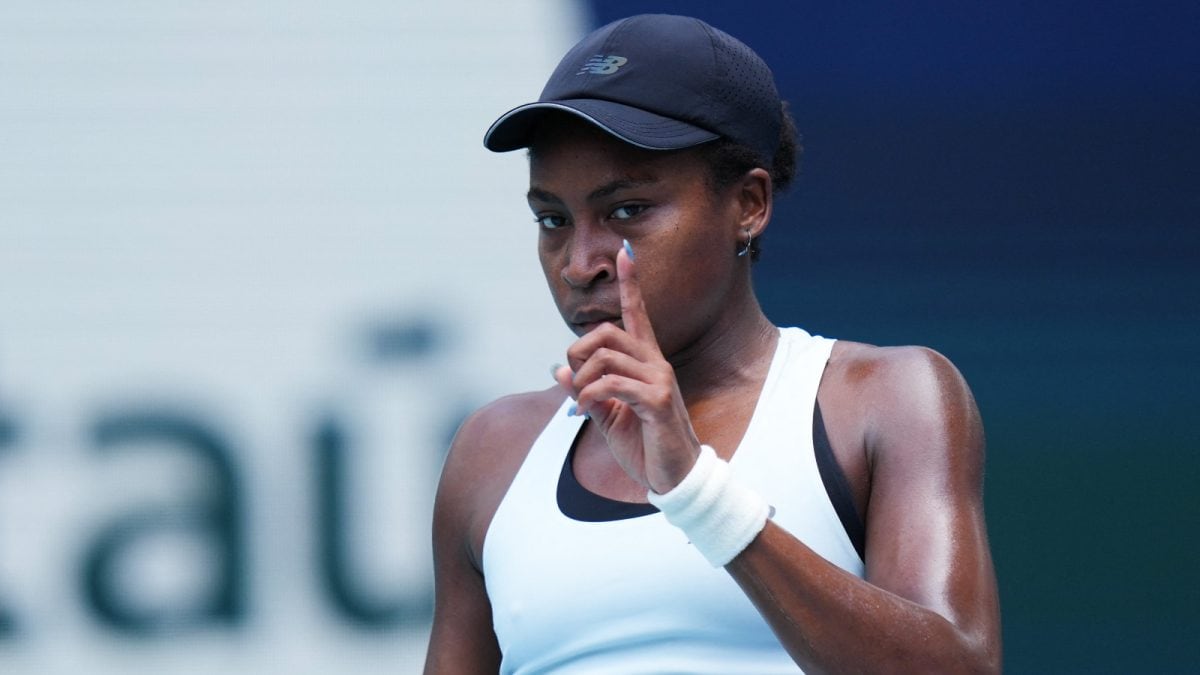
When I first saw the picture of Coco Gauff standing on a tennis court, wearing a navy skirt, a red polo and a natural bun, I thought it was a nice, low‑key snapshot. The brand behind it was Miu Miu, and they were promoting their Vivant leather bag. Nothing too fancy – just a young champion looking comfortable on her own home court.
But as soon as the image started circulating on social media, the comments shifted from admiration to criticism. Some users began dissecting Coco Gauff's hairstyle, questioning whether a natural bun was appropriate for a high‑fashion campaign. It turned into a broader discussion about how Black women, especially the younger ones, are judged for simply wearing their hair the way it grows naturally.
In India, we see similar debates on platforms like Instagram and Twitter, where the conversation about natural hair has been gaining momentum over the past few years. The moment Coco Gauff's photo entered the Indian feed, a few local users joined the chorus, adding their own opinions and, occasionally, some unwarranted scrutiny.
What the campaign actually looked like
The campaign for the Vivant leather bag was meant to feel relaxed. Coco Gauff was on her own tennis court, a place she knows well, and the styling was purposely minimal. Coco Gauff's hair was tied back in a natural bun – the kind you often see when players are about to serve.
There were no elaborate sets, no heavy makeup, just a simple red polo, a navy skirt and a couple of quick shots with the bag. The team behind the shoot was small – a photographer, a brand representative from Miu Miu, and a few assistants. According to Coco Gauff, there was nothing forced about the look; the choice of keeping the hair natural was entirely Coco Gauff's own decision.
In fact, Miu Miu never raised any objection to the hairstyle. The brand seemed fine with Coco Gauff presenting herself exactly as she felt comfortable. It was a straightforward partnership, and the final images looked authentic – a teen champion enjoying a day on the court with a stylish bag.
How the backlash started
Almost immediately after the post went live, a few users started posting remarks about the bun. Some people questioned whether the hairstyle matched the luxury vibe of Miu Miu. Others, unintentionally perhaps, hinted that a more ‘styled’ look would be better. The tone grew harsher when a few commenters started comparing Coco Gauff's hair to other famous models, suggesting that the natural texture was somehow out of place.
In most cases, the comments were framed as “constructive criticism,” but many of them felt more like judgment. In Indian circles, we sometimes see similar patterns where fans nit‑pick about celebrities’ outfits or accessories, but this time the conversation turned towards hair – a deeply personal aspect.
I remember scrolling through the thread and seeing a mix of supportive messages and sharp remarks. The supportive ones told Coco Gauff to stay true to herself, while the others seemed to think a different hairstyle would make the campaign more ‘sellable.’ It was a classic example of how quickly a simple fashion post can become a flashpoint for larger cultural debates.
Coco Gauff decides to speak up
Instead of letting the noise die down on its own, Coco Gauff chose to address the situation directly. In an emotional TikTok video, Coco Gauff sat down in front of the camera and said, “There’s nothing really to address, but I just wanted to come on here and talk about it.”
In the video, Coco Gauff clarified a few things: the shoot was intimate, only a handful of people were present, and the styling – especially Coco Gauff's hair – was a personal choice. Coco Gauff emphasized that there was no objection from Miu Miu, and that the brand was happy with how everything turned out.
Most importantly, Coco Gauff said, “I’m not going to apologise for the way that Coco Gauff's hair looked. There are other girls who have the exact same hair as Coco Gauff, and Coco Gauff just wants them to see and feel represented.” That line struck a chord with many, especially young Black girls who often look for role models who reflect their own appearance.
Why representation matters – a personal take
Being a teenager myself, I have seen how powerful it feels when someone in the limelight looks exactly like you. In my neighbourhood in Delhi, we have many girls who keep their hair in natural curls or braids. When they see a global star like Coco Gauff proudly displaying a natural bun, it sends a message that they don’t have to conform to a single beauty standard.
In most cases, the fashion industry around the world has leaned heavily towards straightened hair, especially for Black women. The fact that Coco Gauff’s natural texture was featured in a high‑end campaign like Miu Miu makes a subtle yet strong statement. It tells the industry and the audience that authenticity can sit beside luxury.
This conversation is not just about a hairstyle; it’s about allowing every girl to see herself on billboards, in magazines, or even in a simple TikTok video. When Coco Gauff says, “Coco Gauff's hair is just Coco Gauff's hair,” and insists on not apologising for it, it becomes a small but significant victory for representation in both fashion and sport.
The Indian perspective on natural hair debates
Even though the primary audience for Coco Gauff’s campaign is global, the ripple effects are visible in India as well. Over the past few years, Indian media has started covering topics like ‘natural hair movement’ more frequently. Influencers and activists share tutorials on caring for natural curls and discuss the cultural significance of embracing one’s hair texture.
When the criticism began, many Indian fans rallied behind Coco Gauff, posting messages like “Stay true to yourself” and “Natural hair is beautiful.” Others tried to defend the critique, saying it was about brand alignment, not about race. The split mirrors the larger global conversation – an ongoing tug‑of‑war between commercial expectations and personal authenticity.
From my own observations, I can say that younger Indian netizens are increasingly vocal about such matters. They use platforms like Instagram Stories to share personal hair journeys, and they often reference international icons like Coco Gauff as inspirations. This shows how a single post can spark an entire wave of discussion across continents.
The impact on Coco Gauff’s career beyond fashion
While the fashion backlash was certainly loud, Coco Gauff did not let it interfere with her primary passion – tennis. After the TikTok video, Coco Gauff went back to focusing on the upcoming French Open, where Coco Gauff aims to defend the title that was won earlier in the year.
Sports fans in India, especially those who follow tennis, know that Coco Gauff’s game is at an elite level. The ability to juggle a successful modelling partnership with a demanding sporting career already sets Coco Gauff apart. In most cases, the added media attention from the hair debate could have been a distraction, but Coco Gauff appears unfazed.
It also speaks to the resilience that many Indian athletes have shown when faced with criticism, whether it’s about performance or personal choices. Coco Gauff’s decision to speak openly, then redirect energy towards training, is a lesson in handling public scrutiny – something that aspiring athletes at home can learn from.
Key takeaways from the whole episode
First, it underlines that even a simple fashion shoot can become a catalyst for cultural conversation. Second, it shows how important it is for public figures like Coco Gauff to use their platform to speak up for representation. Third, the response from fans – both supportive and critical – highlights the changing attitudes in India towards natural hair and diversity.
Finally, it reminds us that behind every headline, there is a real person – in this case, Coco Gauff – who chooses to stay authentic. When Coco Gauff says, “Coco Gauff is not going to apologise for the way that Coco Gauff's hair looked,” it becomes a mantra for anyone who has ever felt pressured to change a part of themselves for the sake of others.
For those of us watching from India, the story is a reminder that beauty and style are evolving, and that representation matters just as much on the runway as it does on the tennis court.