Why Rescue Movies Hit Home For Us Indians
Honestly, whenever I sit down to watch a film about a rescue mission, I instantly think of those moments when I was stuck in a Mumbai local train during monsoon and a friend helped me get out. The adrenaline you feel in those Hollywood blockbusters mirrors the real‑life hustle we see on Indian streets. It’s not just about the explosions or the slick helicopters – it’s about the tiny human bits: a soldier reaching out a hand, a pilot making a split‑second call, a diplomat whispering a code word. Those bits feel familiar, even if the setting is a desert in Somalia or a skyscraper in Tehran.
1. Black Hawk Down – The Chaos of a Battlefield Extraction
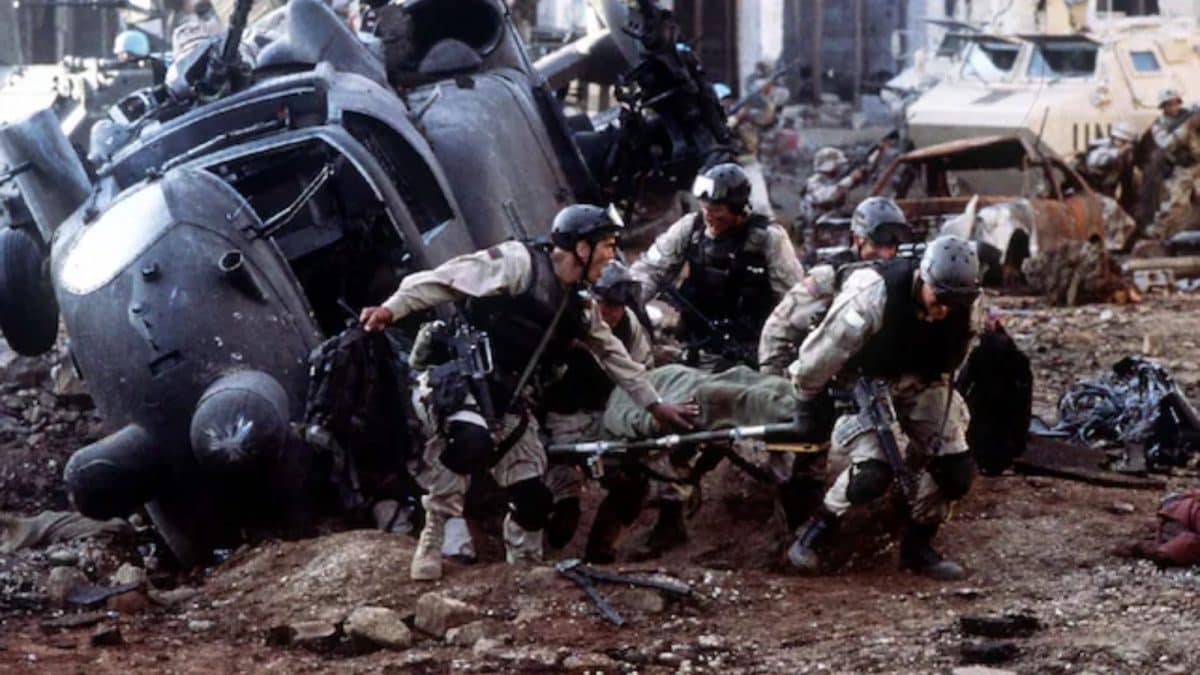
When I first watched *Black Hawk Down*, I was reminded of the time my cousin, who works for the Indian Army, told me about a night raid in Kashmir. The film shows a US helicopter crew trying to pull out soldiers pinned down by hostile fire. The thing that stuck with me was how the movie didn’t glorify the violence – it highlighted the confusion, the broken radios, the frantic shouting, and the sheer will to bring everyone home. Watching it on a rainy evening, I could almost hear the distant thunder mixing with the sound of machine‑gun fire, which surprisingly added to the immersion. For us, it’s a reminder that rescue missions are messy, and the heroics often come from ordinary folks doing extraordinary things.
What’s interesting is that even though it’s a US‑Centric story, the emotions are universal. I found myself whispering “Yeh toh bilkul humare desh ki situation jaise lag raha hai” to my friend sitting next to me, as we discussed how the Indian media covers rescue ops in Jammu‑Kashmir. The film’s chaotic pacing made me think of the endless traffic jams on the Delhi‑Gurgaon expressway – you’re stuck, you’re shouting, but eventually help arrives.
2. Saving Private Ryan – A Mission to Bring a Soldier Home
Now, *Saving Private Ryan* is one of those movies that sticks in your head for weeks. I remember watching it at a friend’s house during Diwali; the lights were flickering, and the opening D‑day beach scene felt like so many first‑time experiences – a mixture of awe and terror. The core of the film is a rescue‑type mission: a squad sent deep into enemy territory to locate and bring back a single soldier whose brothers have already perished.
What I liked, especially as an Indian viewer, was the way the film portrayed the bond among the soldiers. It reminded me of the camaraderie we see in Indian army trainings, where a brother‑in‑arms is often more trusted than family. The movie also subtly shows the moral dilemmas of sending many to save one – a question that pops up often in our own defence discussions, like when we debate the worth of a rescue operation in the Himalayas. The gritty realism, the mud‑stained faces, and the quiet moments of reflection after a firefight reminded me of the monsoon weeks when the streets of Chennai turn into rivers, and we all rely on each other to get home safely.
3. Lone Survivor – The Harsh Reality of a Covert Rescue in the Mountains
*Lone Survivor* hit me harder than a Mumbai local train during rush hour. The film shows a Navy SEAL team that goes into the rugged mountains of Afghanistan for a rescue‑type mission, only to find themselves outgunned and outnumbered. The stark cold, the snow‑laden peaks, and the constant tension reminded me of the trek to Roopkund, where every step feels like a gamble.
One scene that stays with me is when the team leader, played by Mark Wahlberg, decides to stay behind, refusing to abandon his men. It feels like the stories we tell about army officers in Ladakh who trek for hours just to bring back a wounded comrade. The movie’s emphasis on survival instincts, quick decisions, and the harsh environment resonates with us because India’s own mountain rescue teams face similar challenges during avalanches in Uttarakhand. It also makes you appreciate the small comforts – like a hot cup of masala chai – after a long, grueling night.
4. Zero Dark Thirty – A Long‑Term Hunt Leading to a Rescue‑Like Capture
While *Zero Dark Thirty* is mainly about tracking down a high‑profile target, the underlying theme is a massive rescue‑type operation where the world hopes to retrieve freedom for many. Watching this film, I thought of the time my sister was stuck in a traffic jam for three hours trying to get to a medical appointment in Hyderabad. The patience and relentless pursuit featured in the movie felt oddly similar.
The movie’s detailed look at intelligence work reminded me of the Indian agencies we see in news reports, especially when they coordinate rescue missions during natural disasters like cyclones. The film also shows how ordinary people – an analyst, a translator – become crucial, just like how my neighbour, a retired army officer, helped organize a community shelter during a flood in Kolkata. The endless hours of surveillance, the decoding of messages, and finally the decisive raid at night made me think of the midnight rescue of a stranded boat near the Andaman islands I saw on TV. It tells us that sometimes the biggest rescue is about getting justice and closure, not just pulling people out of danger.
5. Argo – A High‑Stakes Diplomatic Extraction
When I first saw *Argo*, I was on a weekend trip to Goa, lounging by the beach with the sea breeze. The film’s story – a CIA operative orchestrating the escape of American diplomats from Tehran – felt like a thriller you’d listen to over a cup of filter coffee while watching the sunset. The notion of a fake movie set as a cover for a rescue operation reminded me of the “movie‑like” drama we see in Indian politics, where sometimes reality feels stranger than fiction.
What struck a chord with me was the meticulous planning, the use of everyday tools – a passport, a camera crew – to protect lives. It made me think of those times we have to plan a simple outing in Delhi during a heatwave – you need a water bottle, a hat, maybe a friend to keep an eye on you. The tension of getting through airport security, the close‑call moments at the border, and finally the relief when the plane takes off – it’s like those heart‑pounding moments when a train finally arrives at a crowded station after a long delay. The film also shows the importance of international cooperation; in India, we’ve seen similar cooperation during the evacuation of Indian citizens from war zones like Yemen, where a joint effort of Indian and foreign agencies made the rescue possible.
6. The 33 – A Rescue Operation Under the Sea
Even though *The 33* focuses on Chilean miners trapped underground, the core of the story is a massive rescue operation that required ingenuity and teamwork. Watching it, I was reminded of the time my cousin, a navy engineer from Visakhapatnam, talked about a submarine rescue drill they conducted in the Bay of Bengal. The film’s depiction of drilling a narrow shaft to reach the survivors echoed the real‑life challenges faced by Indian divers during the 2004 Indian Ocean tsunami rescue.
The emotional moments when families were finally reunited felt similar to the joy we experience during Indian festivals when relatives travel long distances to be together. The scene where the trapped miners hear the sound of a drill from outside is akin to hearing the distant honk of a rickshaw after being stuck in traffic for hours – a tiny sound that signals hope. The movie teaches us that rescue isn’t just about muscle; it’s about patience, engineering brilliance, and an unbreakable spirit, much like the kind of community resilience we see in villages hit by floods every monsoon.
7. The Rescue – Navy SEALs Saving Hostages from a Hijacked Vessel
*The Rescue* (2023) brings the drama of a maritime hostage situation to the screen. The plot follows a team of US Navy SEALs who storm a hijacked ship in the Arabian Sea. I watched it while waiting at a bus stop in Bengaluru on a scorching afternoon, and the heat in the cinema reminded me of the sun‑baked decks of Indian ships sailing the Indian Ocean. The high‑tension boarding scenes made me think of the Indian Coast Guard’s real‑life operations against piracy off the coast of Gujarat.
What I appreciated most was the portrayal of the intense preparation – learning the ship’s layout, rehearsing breach techniques, and synchronising watches. It reminded me of how my friend, an Indian airline pilot, goes through countless simulator sessions before a flight. The film also underscored the importance of communication; a single mis‑heard command could mean disaster, much like the chaotic “babu” shouted by a street vendor that can cause a traffic jam in Delhi. The successful rescue at the end left me with that familiar feeling we get after a cricket match when the underdogs win – you’re thrilled, you’re relieved, and you can’t wait to tell the story to everyone.
8. The Hurt Locker – Bomb Disposal as a Form of Rescue
Finally, *The Hurt Locker* may not be a rescue mission in the traditional sense, but it showcases how a bomb‑defusal team saves lives by removing imminent threats. Watching it, I thought of the bomb squads in Mumbai who spring into action during occasional scares, like the time a suspicious package was found near a train station. The tension in the film is palpable – each beep of the bomb’s timer feels like the ticking of a kitchen timer while you’re waiting for the chai to steep.
The protagonist’s calm under pressure reminded me of my grandmother’s steady hands while making dosa batter; she never panics, even if the batter overflows. The movie’s focus on the mental strain of constantly facing death made me realise how rescue isn’t just about physical danger but also psychological resilience. In India, bomb disposal units often have to work alongside police during festivals when crowds are dense, much like the scenes where the team works in narrow alleys, trying to protect civilians. The film leaves you with a lingering respect for those whose job is to walk the fine line between life and death every single day.
Wrapping Up – What These Films Teach Us About Rescue
So, after binge‑watching these eight movies, I realised that rescue missions, whether on land, sea, or in the shadows, share a common thread – they’re about people daring to step into danger for the sake of others. As an Indian, I see the same spirit in our own armed forces, coast guard, and even in the everyday heroics of neighbours helping each other during floods. The movies give us a glimpse of the planning, the chaos, the heartbreak, and ultimately the triumph that comes when a mission succeeds.
If you ask me which one to start with, I’d say *Black Hawk Down* for raw battlefield drama, *Argo* for a sleek diplomatic twist, and *The Hurt Locker* if you’re curious about the quieter, nerve‑shredding side of rescue. Grab some popcorn, maybe a plate of samosa, and let the stories take you on a ride – you’ll feel the adrenaline, the fear, and the hope, just like a real rescue mission. And who knows? Maybe after watching, you’ll look at the next traffic jam or power cut with a new perspective, remembering that somewhere, somewhere, people are working tirelessly to bring everyone home safely.