Why I Felt Pakistan Was Pressed Into the US‑Iran Deal
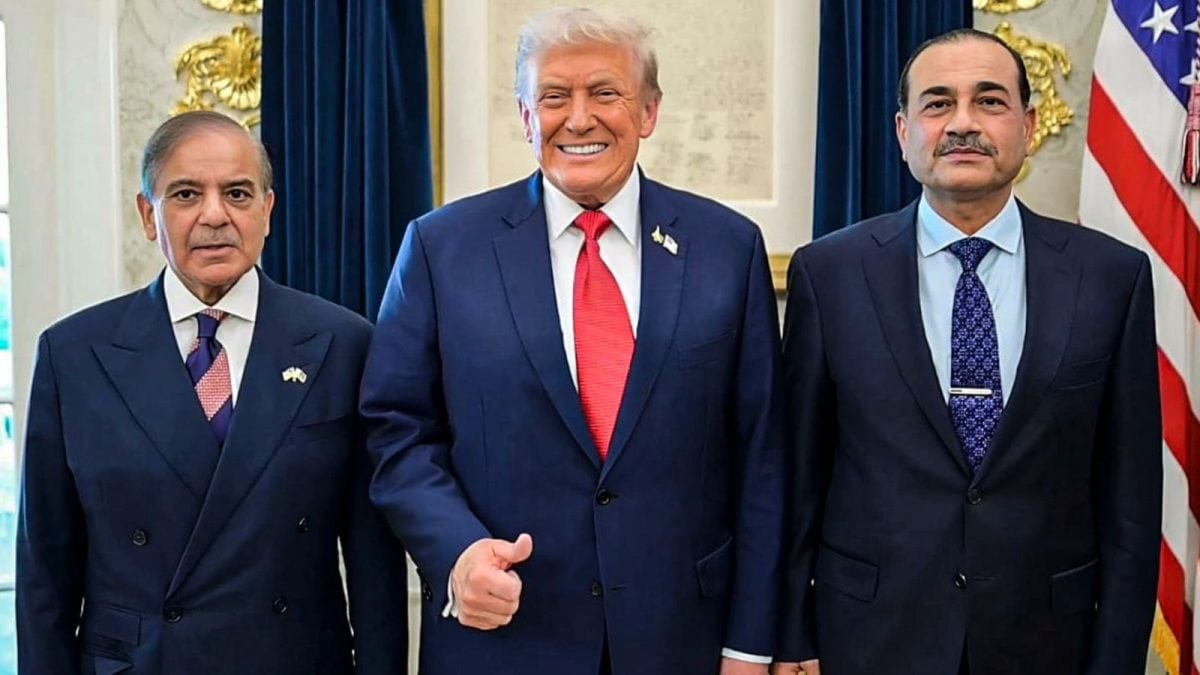
Honestly, when I first heard about the news that Pakistan was acting as a middle‑man between Washington and Tehran, I thought it was a bold diplomatic move – like our country finally stepping onto the world stage as a peace‑broker. But the more I dug into the story, the clearer it became that the whole thing felt less like a proud choice and more like a forced decision. As someone who grew up watching the daily news over chai, I realized that behind the glossy headlines there was a lot of pressure on Prime Minister Shehbaz Sharif and Army Chief General Asim Munir. They were squeezed from all sides – economics, geopolitics, even their own fragile domestic politics. And that, in my view, is what really pushed them onto the mediation table.
Economic Pressure That Could Not Be Ignored
Let me start with the money side of things, because in India and Pakistan, we all know that economics drives politics more than anything else. Pakistan imports most of its oil through the Strait of Hormuz, which is basically the narrow sea‑lane that ships fuel from the Gulf to the rest of the world. If that lane gets blocked – and it was under threat during the US‑Iran clash – the price of crude would shoot up. Analysts were warning that fuel prices could climb by almost twenty per cent. Imagine the shock when the price of petrol at the pump jumps that much; you would see longer queues at petrol stations, rickshaws charging extra, and a sudden spike in the cost of everything that depends on diesel – from transport to food delivery.
Now think about how that would hit ordinary families like mine. Higher fuel prices meant higher bus fares, costly school commutes, and a heavier squeeze on the already thin household budget. That, in turn, would push the government into imposing austerity measures – maybe cutting subsidies on wheat or increasing taxes on small businesses. Inflation would climb, the rupee could tumble, and the already delicate balance‑of‑payments situation would worsen. The country was also hanging on IMF support; another crisis could have been enough to make the fund pull back its assistance, leaving the government scrambling for cash.
But the biggest shock was the potential hit to remittances. Over five million Pakistanis work in the Gulf – from construction sites in Saudi Arabia to shop‑floor jobs in the UAE. Their earnings, when sent back home, are roughly equal to the country's total export earnings. If the Gulf economies were destabilised, those workers could lose jobs or be forced to return home, dropping the inflow of cash that many families rely on for school fees, medical bills, and daily expenses. The government, led by Shehbaz Sharif, was already walking on a thin political mandate, and General Asim Munir's military establishment was aware that any stop‑gap collapse could trigger massive unrest – people taking to the streets, demanding the government do something.
All these factors made it clear: Pakistan simply could not afford a prolonged US‑Iran war. The economic stakes were too high, and the leadership had to think about survival, not just pride.
Washington’s Push and Pakistan’s Reluctant Role
Now, why did the United States turn to Pakistan in the first place? It sounds odd, right? Iran is more likely to trust a proposal coming through a Muslim‑majority neighbour with established contacts with the IRGC. The US realised that Tehran would listen more readily if the message came from Islamabad – a country that shares cultural and religious ties, and also has a long history of back‑channel talks with the Iranian security establishment.
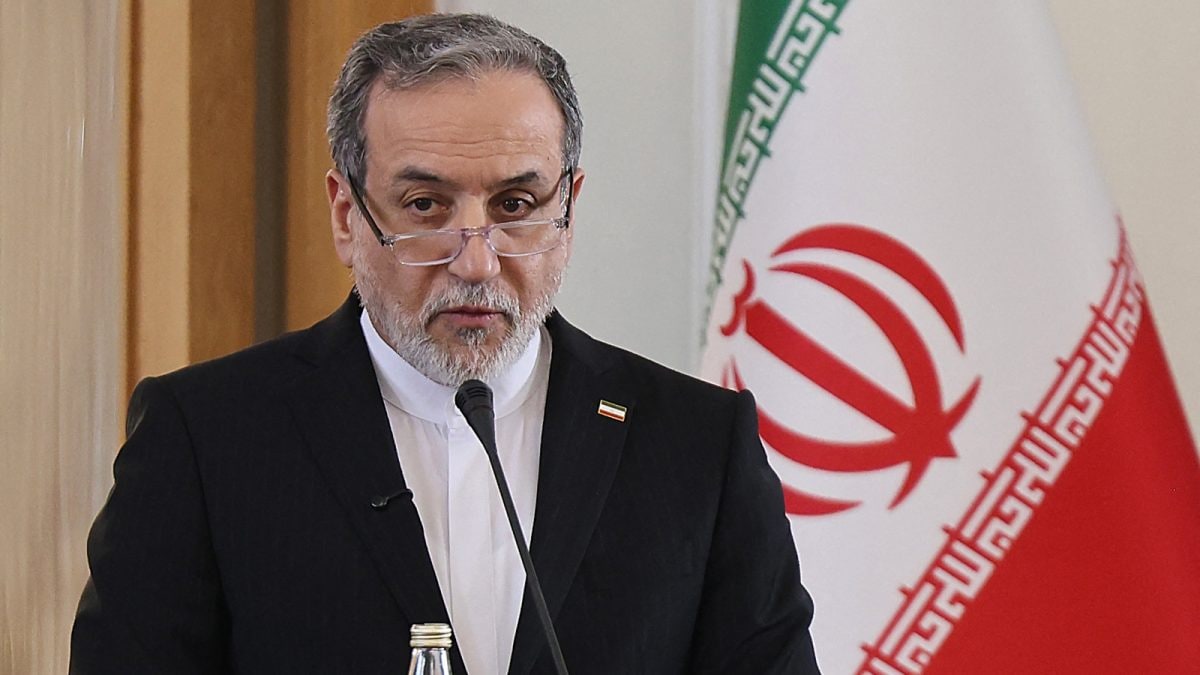
From what I gathered, the US didn’t just politely ask Pakistan to help; they applied steady pressure. High‑level officials like US Vice President JD Vance, envoy Steve Witkoff, and Iran’s Foreign Minister Abbas Araghchi were involved in late‑night phone calls and encrypted chats. General Asim Munir was reportedly in intense back‑channel communication with these senior figures, juggling messages from both sides, often in the wee hours when the rest of us are still half‑asleep.
In most news reports, the tone looks like Islamabad volunteered. But the reality, as I see it, is that the Pakistani leadership was nudged into a corner. The US wanted a “peace through strength” narrative – a way to claim they helped bring about a cease‑fire without having to directly negotiate with Tehran. And Islamabad, strapped for cash and worried about spill‑over, found it hard to say no. It became a classic case of “you have to help us because we’re the only ones who can”.
This pressure meant that the diplomatic talks were less about Pakistan taking a proactive stance, and more about the country being used as a conduit. The sense of compulsion was palpable, and it shaped every conversation that followed.
Security Threats That Kept the Leadership Awake
Besides the economic worries, there were genuine security concerns that kept the leadership up at night. A full‑blown war between the US and Iran could have sent refugees trickling into Pakistan’s border areas, especially from the western side where Iranian citizens might flee the conflict. Those influxes would strain already limited resources in provinces like Balochistan, where the government struggles with water scarcity and infrastructure gaps.
Moreover, the instability could have ignited separatist sentiments among Baloch militants, who already have grievances against Islamabad. A chaotic neighbourhood just across the border could provide them with weapons, funds, or even a rallying cause. In my own hometown, we hear stories about how border security forces have to be on high alert during any regional flare‑up, and they fear that a prolonged war would stretch those forces thin.
Prime Minister Shehbaz Sharif, according to sources close to the cabinet, stressed that the negotiations were an “imperative”. The talks scheduled in Islamabad on the day that would later become known as a make‑or‑break moment were seen as the last chance to prevent an unwanted spill‑over that could destabilise the entire western frontier. If the cease‑fire framework fell apart, the blame would likely land on the Sharif‑Munir duo, jeopardising their already fragile power sharing arrangement and potentially igniting political turbulence in the capital.
The Nobel Prize Talk and the Spin‑Off Optics
Here comes a bit of a lighter, yet telling, narrative. As soon as the cease‑fire was announced, some Pakistani newspapers and TV talk‑shows started floating the idea that the leadership could be in the running for a Nobel Peace Prize. It was all over social media – you’d see memes of General Asim Munir wearing a Nobel medal, with captions like “From the battlefield to the peace stage”. This kind of storytelling does more than just create hype; it builds domestic legitimacy for the government, especially when the political climate is tense.
From an Indian intelligence perspective, however, the optics are read with more caution. They see the whole peace‑brokerage as a strategic move that gives Pakistan a moment in the spotlight, but they also watch for what lies beyond the applause. The prize talk may boost morale among supporters, but it also paints a target on the leadership’s back – any slip‑up or perceived over‑reach could turn the accolades into criticism overnight.
India’s Take: Pressure, Optics, and Strategic Gains
Speaking of careful reading, top Indian intelligence sources have offered a plain‑spoken assessment. They say Washington effectively pressed cash‑strapped Islamabad into fronting the deal, allowing the US administration to claim a diplomatic victory without directly confronting Tehran. From that angle, Pakistan’s mediation looks somewhat performative – a way to buy time for the US while giving General Asim Munir some political cover at home.
The analysis also points out a familiar pattern in Pakistan’s military‑civilian dynamics: immediate institutional gains tend to be favoured over long‑term strategic outcomes. By positioning itself as a bridge, Islamabad hopes to reap future economic benefits – perhaps more US assistance, better relations with Gulf states, or enhanced trade deals that could help shore up its balance‑of‑payments situation.
But there’s also a strategic angle beyond money. The closer coordination with Iran’s security establishment that comes from this crisis could help Islamabad handle cross‑border insurgency, especially any Baloch militant activity, and protect vital assets of the China‑Pakistan Economic Corridor (CPEC). So while the optics of being a peace‑keeper are appealing, the underlying motives are a mix of economic necessity, regional security considerations, and a bid for diplomatic relevance.
What Pakistan Stands to Gain – And What It Risks
Let’s lay it out plain and simple. On the upside, the diplomatic role could translate into concrete advantages. Close engagement with Iran’s security forces might improve coordination on tackling Baloch militant groups, which have been a thorn in the side of both Islamabad and the CPEC project. If the US sees Pakistan as a reliable partner, it could open doors to additional aid, technology transfers, or even easier access to Western financial markets – something that could help the already strained economy.
On the flip side, the risks are high. If the cease‑fire collapses, or if it becomes clear that Pakistan over‑promised and under‑delivered, the credibility of both Shehbaz Sharif and General Asim Munir could take a severe hit. Domestic critics would seize the moment to protest, and international observers might question Pakistan’s reliability as a diplomatic partner. Moreover, getting tangled in US‑Iran politics could backfire if regional powers like Saudi Arabia or Israel see Islamabad siding too closely with Tehran, potentially straining those relationships.
In my own neighbourhood, you can hear senior citizens discussing how every diplomatic move is a balancing act, much like a tightrope walker – one misstep and you fall. That’s exactly the situation Pakistan finds itself in. The fragile truce is hanging by a thread, and the moment it snaps, the leadership will have to face both domestic unrest and international scrutiny.
Final Thoughts: A Gamble That Has Only Just Begun
All in all, watching these developments feel like watching a high‑stakes cricket match where the batting side is trying to save the game in the last overs. Pakistan’s civilian and military leaders have managed to thrust the country into the centre of a crucial global moment, but the real test is whether they can keep that position without losing balance.
For me, the story isn’t just about geopolitics; it’s about how ordinary people—like the shop owner in Lahore who worries about fuel prices, the migrant worker in Dubai sending money home, or the student in Karachi reading the news over tea—are directly affected by decisions made in secret rooms. The pressure that pushed Pakistan into the role was real, the stakes are huge, and the outcomes will ripple across households for months, maybe years.
So as the truce holds (or unravels), we’ll be watching closely, not just for headlines, but for how the everyday lives of millions of Indians and Pakistanis change because of a peace deal that seemed, at first glance, like a diplomatic triumph but, in reality, was more of a necessity forced upon a nation already walking a tight rope.