First impressions of the talks in Islamabad
When I stepped into the Serena Hotel on that bright Saturday morning, I could feel the weight of history in the air. The marble lobby was buzzing with journalists, security personnel, and a few curious onlookers who seemed to recognise that something big was about to happen. I had read the headlines about a US‑Iran dialogue, but actually being there, hearing the murmur of conversations about peace, was a completely different feeling. It reminded me of the first time I visited a political rally in Delhi – the mixture of excitement and nervousness, only this time the stakes were international.
Inside the conference hall, the Turkish carpets and polished wooden chairs set a formal tone. The room was arranged so that every delegation could see each other clearly, which felt symbolic – everyone wanting to be seen, heard and, hopefully, understood. I could spot the Iranian delegation first; they were led by Mohammad Bagher Ghalibaf, the parliamentary speaker, who walked in with a calm but resolute demeanor. Next, the United States delegation made their entrance, front and centre: JD Vance, the newly appointed Vice President, was flanked by the White House envoy Steve Witkoff and Jared Kushner, President Donald Trump’s son‑in‑law. The sight of JD Vance, a name that had been all over the news lately, made the whole event feel very real to me.
Why the meeting mattered to me and to us
Like many of my friends back home in Mumbai, I keep a close eye on oil prices because they directly affect everything from my commute to the cost of a simple packet of chips. The war in the Gulf had pushed crude prices to unnerving levels, and every new report of a cease‑fire or a negotiation felt like a glimmer of hope. When the news broke that the United States and Iran would sit down in Islamabad, with Shehbaz Sharif acting as a mediator, I could sense a collective sigh of relief among my family. Even my uncle, who works at a refinery, mentioned that a stable region could mean smoother operations for months to come.
On a personal level, I have always believed that dialogue can solve problems that force never can. Growing up, my grandparents often narrated stories of the 1971 war and how peace talks eventually healed a divided nation. That background made me keen to watch these discussions unfold, hoping that a similar process could bring stability to the Middle East and, by extension, to the Indian subcontinent.
How the talks started – the opening exchanges
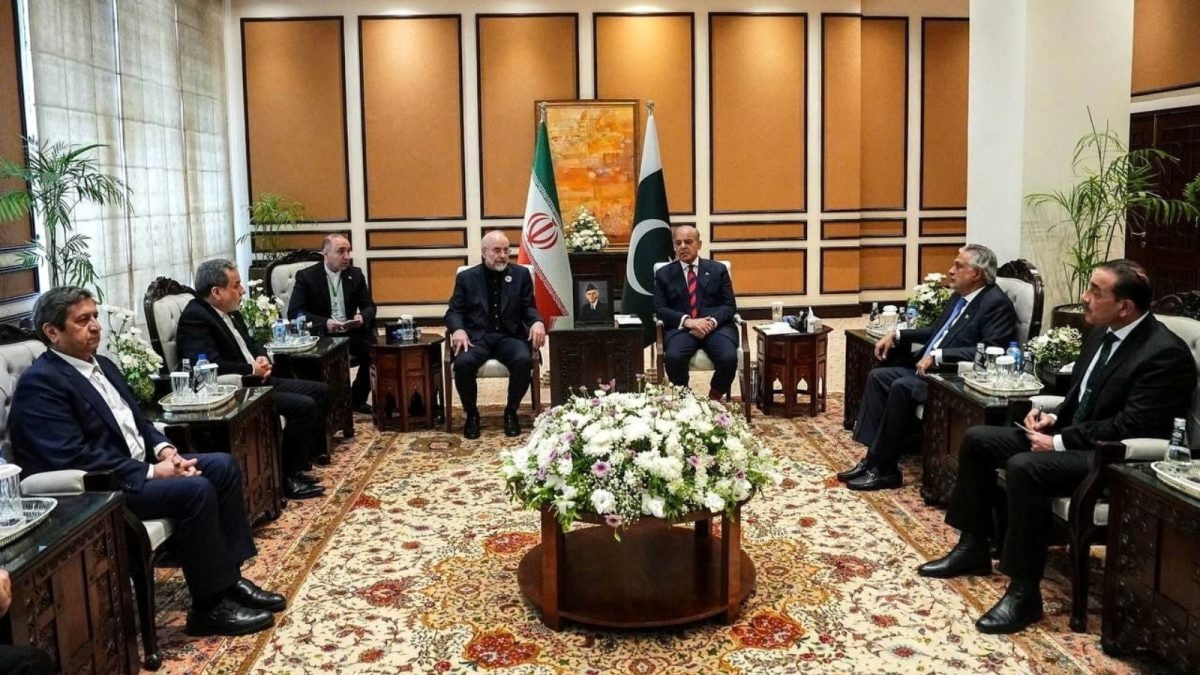
The first round of talks began with Mohammad Bagher Ghalibaf meeting Shehbaz Sharif in a private room. As an observer, I could hear snippets of the conversation through the thin walls – Shehbaz Sharif repeatedly stressed the importance of “durable peace” and “regional stability”. When the doors opened, Mohammad Bagher Ghalibaf shook hands firmly with Shehbaz Sharif, a gesture that seemed to convey both respect and a willingness to engage.
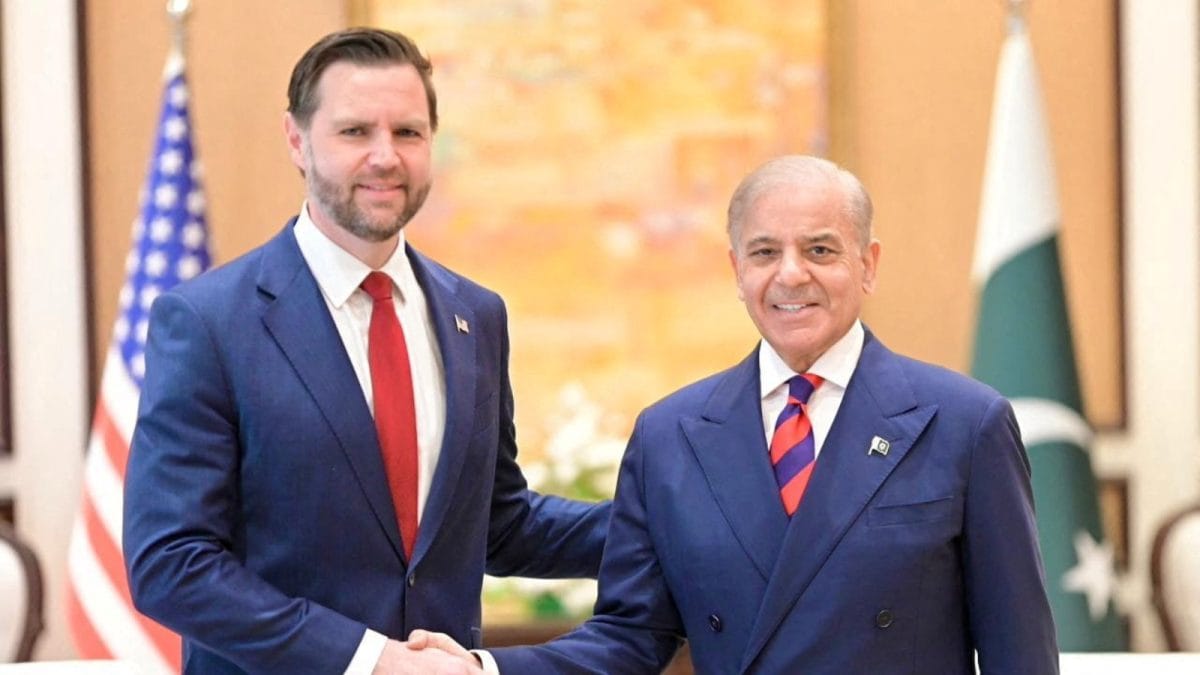
After that, JD Vance entered the scene. He was accompanied by Steve Witkoff and Jared Kushner, both of whom were clearly briefed on the background and the delicate nature of the talks. JD Vance took a seat across from Shehbaz Sharif, and the two exchanged a brief but firm handshake. The Prime Minister’s office later released a statement saying, “Commending the commitment of both delegations to engage constructively, the Prime Minister expressed the hope that these talks would serve as a stepping stone toward durable peace in the region.” Hearing the words directly from the source added a touch of authenticity that no press release could match.
The broader Pakistani team – who else was there?
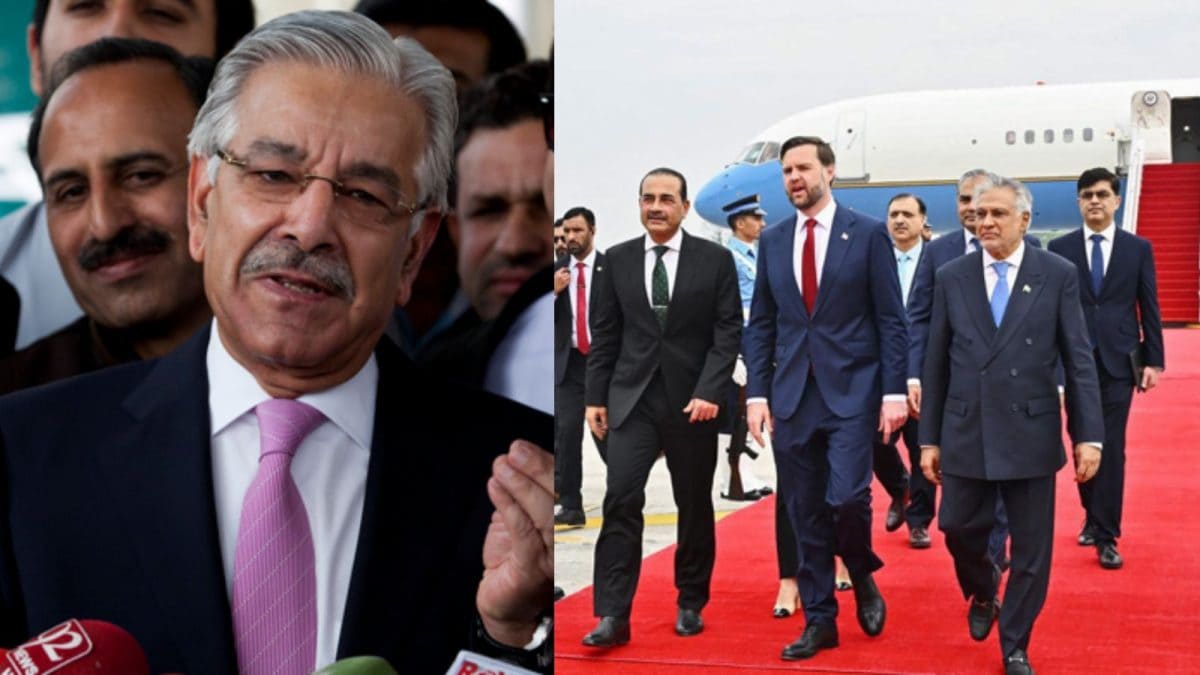
Besides Shehbaz Sharif, the Pakistani side had strong representation. I noted that Pakistan’s Foreign Minister Ishaq Dar was present, his seasoned diplomatic presence obvious even from a distance. Alongside him, Army Chief Asim Munir stood in a crisp uniform, an indicator of the military’s stake in any regional outcome. Interior Minister Mohsin Naqvi also joined, which made sense given the security concerns that often accompany high‑profile diplomatic events.
Seeing Ishaq Dar, Asim Munir and Mohsin Naqvi together reminded me of the last time I attended a political summit in New Delhi, where the defence and interior ministers stand shoulder‑to‑shoulder with the prime minister. It underscores how seriously Pakistan is taking its role as a mediator; the country is not just a neutral host but an active participant trying to push the talks forward.
Will Iran and the United States meet face‑to‑face?
One of the biggest questions swirling around the media was whether the two sides would ever sit across a table directly. Iranian state‑controlled media hinted that the format of future negotiations had not yet been finalised. It was not clear whether they would continue exchanging messages through Pakistani intermediaries or move to a direct dialogue.
If JD Vance and Mohammad Bagher Ghalibaf were to meet face‑to‑face, it would be a historic moment – the highest‑level US‑Iran talks since the 1979 Islamic Revolution, and the first direct discussions since the 2015 nuclear aGreement. The significance of such a meeting struck me as similar to when two rival Indian political parties finally sat together after years of hostility – a rare glimpse of possible reconciliation.
The core issues on the table – sanctions, Lebanon and the Strait of Hormuz
The talks were not just about saying hello; they centered on very concrete points. Iran demanded that a permanent end to fighting must include the unfreezing of its sanctioned assets and an end to Israel’s war against Hezbollah in Lebanon. JD Vance, however, made it clear that those demands would not be up for discussion at this stage.
Both sides were also at odds about the strategic Strait of Hormuz. The United States has insisted that the waterway be opened as a pre‑condition for continuing the two‑week cease‑fire. Iran, on the other hand, has kept the strait partially blocked, using it as leverage. The tension reminded me of the traffic snarls at the Indo‑Pak border crossing – one side wants the flow to continue, the other holds the reins tight.
Iranian Foreign Minister Abbas Araghchi, part of the delegation, openly declared that Tehran entered the talks with “complete distrust due to repeated breaches of commitments and betrayals by the United States”. Hearing that, I could sense the underlying suspicion that each side carried into the room. It was evident that trust would need to be rebuilt from the very ground up.
JD Vance’s stance – openness conditional on good faith
Before jetting off from the United States, JD Vance had said, “If the other side is willing to negotiate in good faith, we’re certainly willing to extend the open hand.” In the hall, JD Vance reiterated this sentiment, emphasizing the United States’ demand for an open Strait of Hormuz while also showing willingness to listen.
The pragmatic approach of JD Vance felt familiar to me, much like when my father, a small‑scale trader, would negotiate with his suppliers – he would state his conditions clearly but remain open to compromise if the other party proved genuine. This balance of firmness and flexibility seemed to be the tone JD Vance tried to set throughout the sessions.
Trump’s comments and the wider political backdrop
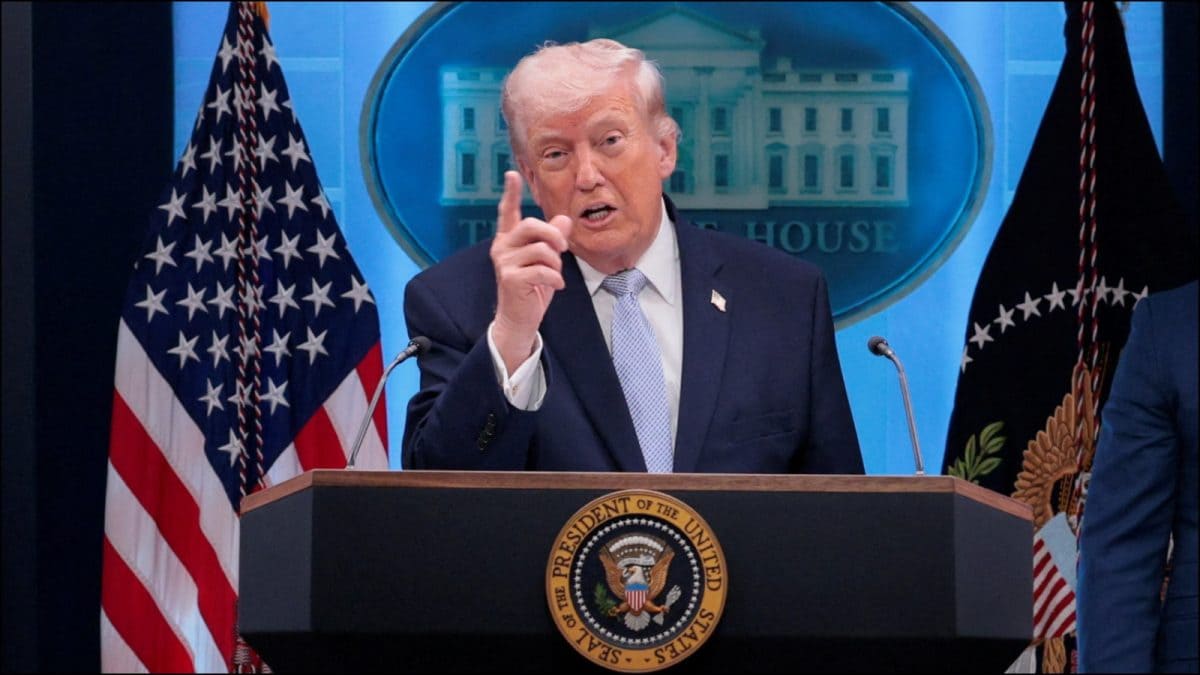
Even as the talks unfolded, former President Donald Trump was busy on a phone interview with NewsNation, saying that the global oil shipments were already finding alternatives to the Strait of Hormuz, which remained partially blocked. Trump described Iran as a “failing nation” yet expressed confidence that the crucial waterway would reopen soon.
His remarks added another layer to the diplomatic puzzle. While Trump’s optimism could be seen as encouraging, his warning that the United States was ready to “reset” if negotiations failed reminded me of the political rhetoric often heard during election season – bold promises mixed with stark warnings.
Personal reflections on what this means for the region
Watching the whole process, I kept thinking about the ripple effects such a peace process could have on everyday Indians. Lower oil prices would mean cheaper diesel for my brother’s auto‑rickshaw, less burden on my parents’ grocery bills, and perhaps even a calmer mood at the stock markets where I have a few mutual funds.
Beyond economics, the talks symbolised a hope that dialogue can replace gunfire. In my neighbourhood, during cricket matches, we often hear heated arguments that later turn into laughter. The same could happen on a global scale if the right conversations happen. That thought kept me hopeful as the day wore on.
What the future could hold – possible scenarios
There are several possible pathways after the Islamabad meeting. One scenario is that the parties aGree to a direct face‑to‑face summit, perhaps in a neutral location like Geneva, which would mark a breakthrough akin to the 1990 Lahore talks between India and Pakistan. Another scenario is a continued shuttle diplomacy model, where messages are passed through Pakistani envoys, extending the timeline but keeping the dialogue alive.
In most cases, the ultimate success will depend on whether Iran’s demands for asset unfreeze and the cessation of Israeli actions in Lebanon are addressed in any realistic manner. The United States, represented by JD Vance, appears steadfast on certain strategic points, especially the Strait of Hormuz. The balance between these positions will shape whether the two‑week cease‑fire can be extended beyond its current fragile state.
My personal hope is that trust‑building measures, perhaps small gestures like humanitarian aid exchanges, could pave the way for more substantive talks. It’s reminiscent of the small steps we take in daily life – sharing a cup of chai, offering a seat on a crowded bus – that eventually lead to greater understanding.
Conclusion – a cautious optimism
Leaving the Serena Hotel, I felt both uplifted and aware of how fragile the situation remains. The presence of JD Vance, Mohammad Bagher Ghalibaf, Shehbaz Sharif and the rest of the delegations marked a rare moment of direct engagement that could, if nurtured, become a turning point for the Gulf region and for the global economy.
For someone like me, living in a bustling Indian city, the hope is simple: let the talks bear fruit, let oil prices stabilise, and let the world breathe a little easier. As I boarded the train back home, the rhythmic clatter of the tracks reminded me that progress, like a train, often moves slowly, pausing at stations, but eventually reaches its destination.