Why acting feels like walking on an uneven road
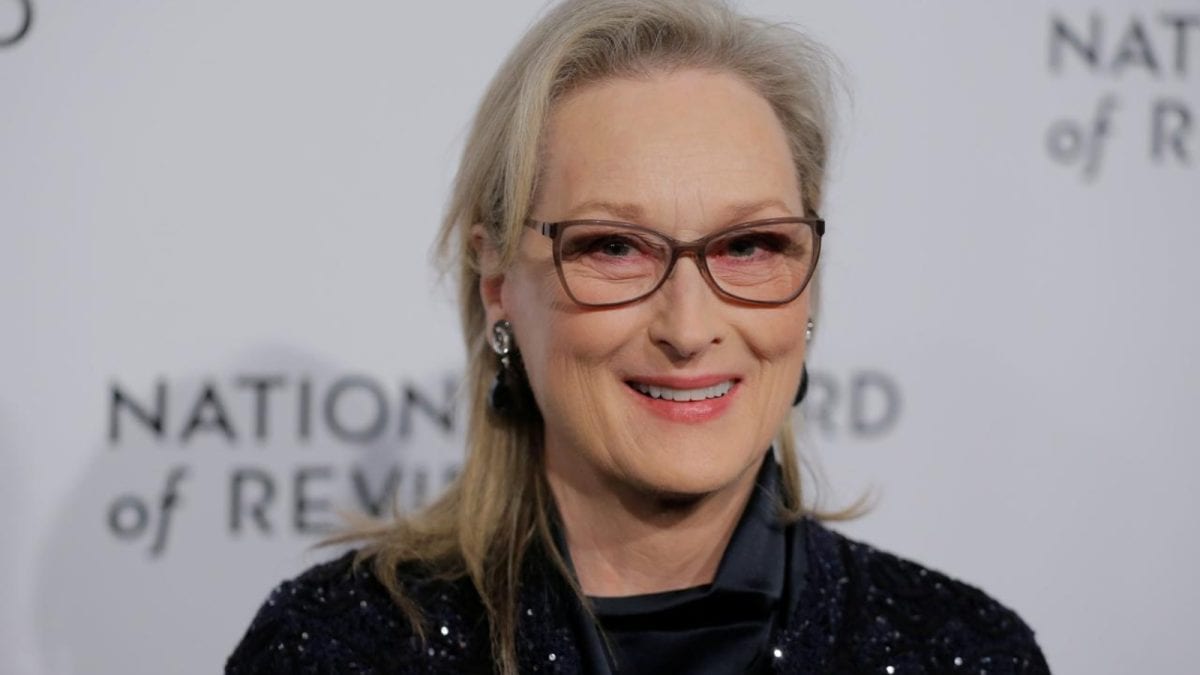
So, the other day I was scrolling through some interview clips and there was Meryl Streep talking about why being an actor is anything but a secure job. I could instantly feel the same tension that so many of us in the Indian film circles feel – that constant wobble, that uneasy feeling that you could slip at any moment. Meryl Streep, the 76‑year‑old powerhouse who has graced screens in films like The Deer Hunter, Kramer vs. Kramer and The Devil Wears Prada, said something that really stuck with me.
She quoted Tom Stoppard, saying, “You’ve got to shift your weight.” Basically, Meryl Streep meant that an actor always has to keep moving, keep adjusting, because the ground beneath is never stable. In most cases you find yourself on an ever‑shifting stage, never sure when the next project will land.
What Meryl Streep added next was brutally honest: “You’re always, always on unstable ground. It’s so uncertain being an actor. You’re chronically unemployed. And then there’s no sort of climb, because fame is something you have in a second.” I could hear a faint echo of the hustle we see in Bollywood, where even big names have those long gaps between releases, waiting for that next script to knock on the door.
My own glimpse of that uncertainty
Honestly, I’ve been part of a few short films and theatre groups in Mumbai, and let me tell you – the feeling is exactly what Meryl Streep described. One day you’re rehearsing in a cramped chawl hall, the next you’re waiting for a producer’s call that never comes. The whole industry feels like a game of musical chairs; when the music stops, only a few manage to sit down.
There was this one time I got a role in a regional project. I thought I’d finally cracked it, but the film got shelved after a few weeks of shooting because the director ran out of money. I felt that same “chronically unemployed” vibe that Meryl Streep talked about, except mixed with a lot of frustration over unpaid dues. It’s funny how an American actress and an Indian theatre artist can share such a similar emotional landscape.
And the thing is, it’s not just about the money. It’s about the confidence – that belief in your own body of work. Meryl Streep said, “But to make a body of work and have faith in yourself? That takes time, and you can’t do it at home by yourself—it’s not like writing or composing.” I totally get that. In India, you can write a script at home, but you cannot just act alone; you need a team, a platform, a director who believes in you.
Talking about The Devil Wears Prada sequel
Now, moving on to the upcoming sequel of The Devil Wears Prada – which Meryl Streep is set to appear in – she expressed genuine excitement about the script. She said she was drawn to the business side of the story, the idea of “carrying the weight of many, many people’s jobs, running a big organisation, keeping it going somehow.” It reminded me of the way senior editors in Indian glossy magazines juggle a hundred deadlines while making sure the next issue is eye‑catchy.
She added, “With this one, I thought, ‘Well, where are they going to go?’ Now that everything’s disintegrating, now that these institutions are being undermined or exploded in a way that who knows what is happening in the world right now—I wondered what they were going to do. And I do think they’ve located something true about the business now.” The line hit home for me because the fashion world—whether in New York or Delhi—has been in flux for a while, with digital media reshaping everything.
When I watched the first part of The Devil Wears Prada, I remember being fascinated by how a young journalist had to survive under a demanding editor. In India, we have similar stories in daily soaps and the news industry, where newcomers are often tested by senior editors who demand perfection. The sequel, as Meryl Streep hinted, will explore how that power dynamic changes when the industry itself is being questioned.
Remembering the original and its legacy
The original The Devil Wears Prada came out many years ago, based on a novel by Lauren Weisberger. It featured a stellar cast – Meryl Streep, Anne Hathaway, Stanley Tucci and Emily Blunt – and centred on a young journalist who lands a job at a top fashion magazine, only to find herself at the mercy of a demanding editor. That story still rings true for many aspiring artists in India, where we often start in media houses that demand long hours and absolute dedication.
What’s interesting is how that narrative still feels relevant. The second instalment follows the same journalist, Andy, as she returns to Runway, a fictional magazine, and has to navigate a new media landscape. The film’s producers said that the sequel would hit cinemas “soon”, a phrase that keeps the excitement alive without pinning down an exact calendar date – just like many Bollywood releases that get announced months in advance but often shift.
Even though the sequel is yet to be released, the buzz around it is palpable, especially among fashion lovers in Delhi’s Connaught Place and Mumbai’s Bandra. The idea that a story about “unstable ground” is being revisited now feels almost poetic, given how the entertainment and fashion worlds are both constantly reshaped by technology, consumer trends, and, of course, the ever‑present uncertainty of a job.
Lessons from Meryl Streep’s candidness
Listening to Meryl Streep talk about the gritty side of acting made me sit back and reflect on my own journey. It reminded me that fame isn’t a steady ladder; it’s more like a sudden flash of light that appears and disappears. As Meryl Streep said, “You’re chronically unemployed,” which sounds harsh but is the truth for anyone who lives by the call of auditions.
What I took away is the importance of building a strong body of work, not just waiting for that one big break. In Mumbai, I see a lot of actors who keep pushing through theatre gigs, web series, and indie films, slowly stitching together a portfolio. That’s the kind of resilience Meryl Streep alludes to – believing in yourself even when there’s no immediate reward.
She also hinted at the need to be adaptable, saying, “Everything changes and it’s about learning to sort of be prepared for that.” This is especially true now, with OTT platforms exploding across India, offering new avenues but also demanding fresh skills. If you’re not ready to switch from a classic dialogue‑driven style to a more natural, web‑friendly performance, you might get left behind.
All in all, Meryl Streep’s interview felt like a friendly chat over chai, where an experienced veteran shares the ups and downs without sugar‑coating anything. It gave me a fresh perspective on why I keep auditioning, why I still write my own scenes, and why I should cherish each project – however small – as a stepping stone on this shaky, yet thrilling, path of acting.