Mike Johnson’s Straight‑Talk at the Capitol
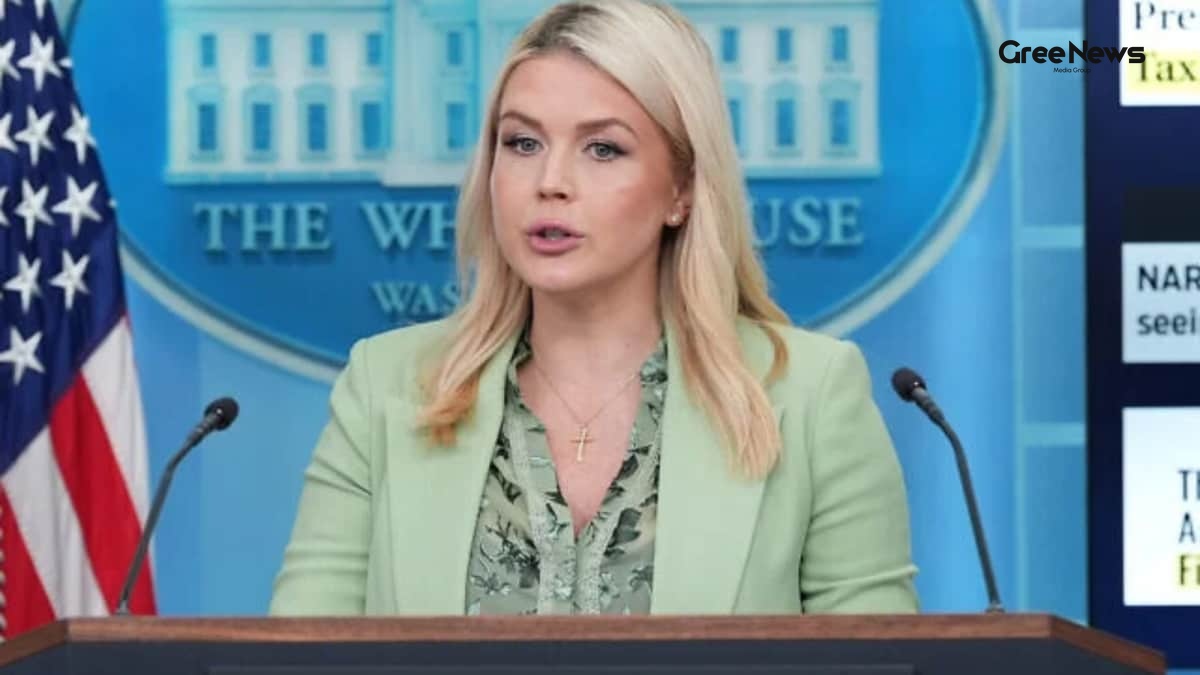
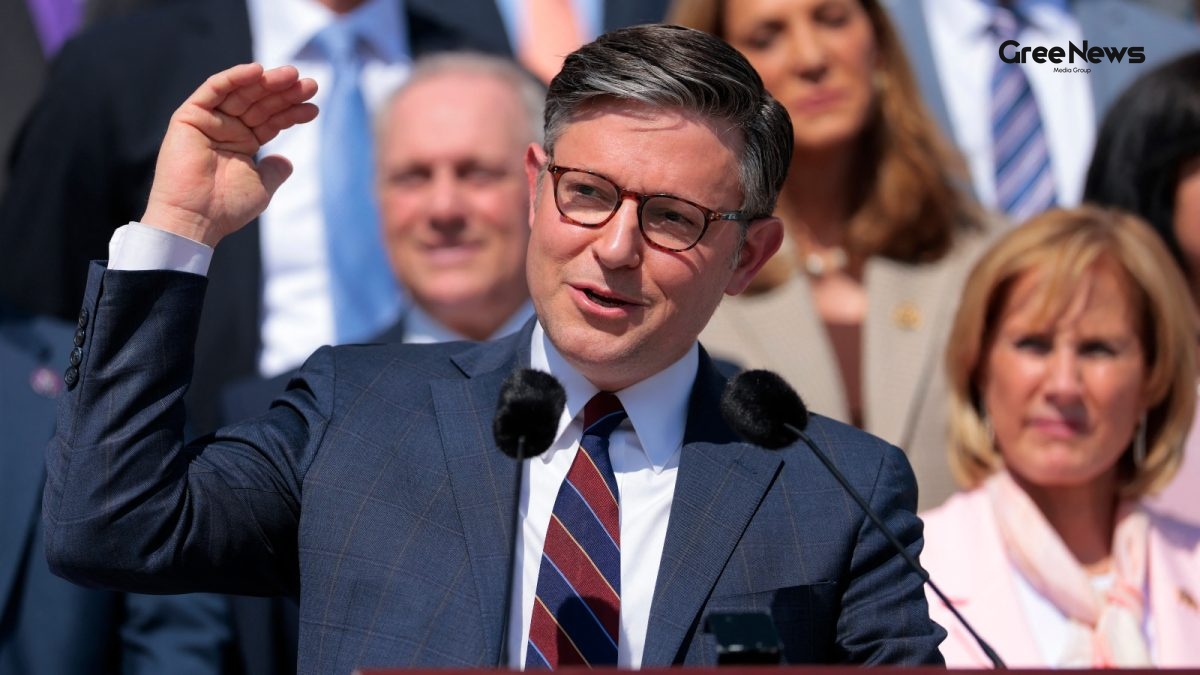
So, I was watching the news the other day you know, the usual mix of breaking news and trending news India when I saw US House Speaker Mike Johnson standing at a podium on the Capitol steps. He looked a bit like any other politician giving a press briefing, but what he said caught my attention. He opened with a line that felt like something out of a political thriller: "If you wade into political waters, you should expect some political response." And he wasn’t talking about a random citizen; he was pointing straight at Pope Leo.
Mike Johnson defended former President Donald Trump and, in a tone that was both casual and a little defensive, criticised Pope Leo’s remarks on the Iran war. He added that he was actually taken aback by the Pope’s comment that people who are directly involved in war might not have their prayers heard. "There’s something called the ‘just war’ doctrine," he said, as if reminding everyone that war isn’t just a black‑and‑white issue.
Now, the thing that made this statement interesting and honestly, pretty viral news for many of us tracking international affairs was the way Mike Johnson framed his defence. He said a religious leader could say anything they wanted, but if that leader steps into the political arena, a political response isn’t just expected; it’s almost inevitable. It felt like a subtle warning to Pope Leo, and many people on social media were quick to share clips, turning it into something of a trending topic.
Pope Leo’s Comments on the Iran Conflict
To understand why Mike Johnson’s remarks caused a stir, you need to go back a few days. Pope Leo had publicly urged restraint in the escalating Iran conflict. He said he hoped Donald Trump was "looking for an off‑ramp" basically a way out of the tension without further bloodshed. He also threw in a strong statement that any threats to "destroy Iranian civilisation" were "unacceptable". For a religious figure to comment so directly on an active geopolitical issue, especially one involving a US‑Iran showdown, was a big deal.
These comments didn’t sit well with Donald Trump. He responded with a series of sharp jabs, saying he was "not a fan" of Pope Leo and later branding the pontiff "weak on crime" and "terrible for foreign policy". The tone was combative, and the feud quickly moved beyond private remarks to a public showdown that made headlines not just in the US but also in India, where people follow both US politics and Vatican news with equal curiosity.
What made Pope Leo’s stance even more polarising was his claim that those who engaged in war might not have their prayers heard by Jesus. That line, as Mike Johnson noted, seemed to clash with the theological concept of a "just war" a doctrine that has been debated by scholars for centuries, arguing that war can be morally justified under certain conditions.
When you think about it, the Pope’s statement touched a nerve because it suggested that ordinary soldiers, or even leaders, might be spiritually penalised for taking part in conflict. It’s a profound theological claim that many believers might find unsettling, especially when it appears to intersect with real‑world policy decisions.
The Growing Feud Between Donald Trump and Pope Leo
What happened next is interesting the feud didn’t just stay between the two leaders. It spilled into the broader political arena and became a topic of discussion in many coffee‑shop conversations across India, especially among those who tune into the latest news India feeds every morning.
Donald Trump’s retorts were more than just personal digs. He labelled Pope Leo as "weak on crime" a phrase that, while sounding odd in a religious context, was meant to imply that the pontiff wasn’t strong enough to stand up against what Trump saw as global threats. He also called the Pope "terrible for foreign policy", suggesting that any spiritual commentary on geopolitics could be detrimental to the United States’ strategic interests.
Meanwhile, Pope Leo didn’t back down. On a recent trip details of which were covered widely in trending news India he said he would "continue to speak out loudly against war" and emphasized the Gospel’s message of peace. He added that he had no fear of the Trump administration or any political pushback. This bravado made the clash look like a modern‑day standoff between a global spiritual leader and a former head of state.
Adding another layer, JD Vance, the US Vice‑presidential hopeful, entered the conversation. He urged the Vatican to "stick to matters of morality… and let the president of the United States stick to dictating American public policy". It was a diplomatic way of saying that religious institutions should perhaps stay out of policy debates, a sentiment that echoed many opinions circulating as part of breaking news circles.
Mike Johnson’s Reference to the 'Just War' Doctrine
During his press briefing, Mike Johnson brought up the "just war" doctrine, which surprised a lot of listeners myself included. He said, "Frankly I was taken a bit aback by him saying something about ‘those who engage in war, Jesus doesn’t hear their prayers’ or something. There’s something called the ‘just war’ doctrine."
Now, the "just war" concept is an old theological framework that tries to set moral guidelines for when war can be considered justifiable. By mentioning it, Mike Johnson was essentially telling Pope Leo that his blanket statement about prayers might be oversimplifying a more nuanced moral discussion. It was a clever way to both defend Donald Trump’s stance which didn’t want the Pope’s words to influence policy and to remind the pontiff that the relationship between faith and warfare is not black and white.
Many political analysts in India, who constantly track US‑Iran developments as part of India updates, pointed out that the Pope’s comment could have wider implications. If a major religious leader suggests that people involved in war are spiritually penalised, it might shape public opinion in Muslim‑majority countries, where Iran’s situation is already a hot topic. That’s why the whole exchange quickly became a subject of breaking news across multiple platforms.
Potential Impact on US‑Iran Relations and Global Perception
While the exchange may look like a personal spat, several observers argue that it could have diplomatic ripples. If a religious figure’s comment is taken as a sign that the US should reconsider its stance on Iran, it could embolden certain factions within the region. On the other hand, Mike Johnson’s warning that "if you wade into political waters, you should expect some political response" signals that US political leaders are not going to let religious commentary dictate policy.
Many people in India, especially those who follow the foreign policy sections of daily newspapers, were keen to see how this would play out. Some feared that the Pope’s remarks might affect the perception of the US in the Middle East, while others thought it could push the US to adopt a more cautious approach, at least publicly.
What many didn’t realise at first was how this domestic‑international drama could indirectly affect India’s own diplomatic balancing act. India maintains a delicate relationship with both the US and Iran, and any shift in US policy even if hinted by a religious leader could require New Delhi to recalibrate its own stance. That’s why the story lingered on the front pages of many Indian news portals, printed as part of the latest news India roundup.
Public Reaction and Social Media Buzz
As soon as the clip of Mike Johnson’s press conference hit social platforms, the comment sections blew up. Many Indian netizens used hashtags like #MikeJohnson, #PopeLeo, and #TrumpFeud, turning the episode into a trending conversation on Twitter. Some users joked that the Pope should stick to spiritual matters, while others defended his right to speak on moral concerns.
One comment that went viral said, "If the Pope talks about wars, maybe he should also talk about the traffic in Delhi!" It was a light‑hearted way of showing how people blend serious geopolitics with everyday frustrations. The interplay of serious political analysis and meme‑culture made the story part of the viral news cycle, further cementing its place in daily discussions.
Even some Indian political talk‑shows invited experts to discuss whether religious voices should have a say in matters like the Iran conflict. The consensus, albeit varied, revolved around the idea that while moral guidance is valuable, when it comes to actual policy decisions, elected officials like Mike Johnson or Donald Trump have the final say.
What Comes Next? Possible Scenarios
Looking ahead, many are speculating about the next move. Will Pope Leo double‑down on his stance, perhaps even issuing a formal statement clarifying his position on prayer and war? Or will he opt for a more diplomatic tone to avoid further political pushback from US leaders like Mike Johnson?
On the US side, Mike Johnson could leverage this moment to rally support among his constituents who view foreign policy as a national security issue rather than a moral one. He might also use the "just war" reference to push for a more defined policy framework in Congress, especially if the Iran situation continues to evolve.
For Donald Trump, the feud might simply be another chapter in his long‑standing strategy of confronting institutions he sees as obstacles. Given his past pattern, he might continue to label Pope Leo as "weak on crime" whenever the Pope steps into political commentary.
In India, the discussion will likely continue as part of broader debates on how global religious leaders influence geopolitics. It could even become a case study in university classrooms when talking about soft power and the limits of religious diplomacy.
Conclusion: A Modern Clash of Power and Faith
All in all, the back‑and‑forth between Mike Johnson, Pope Leo, and Donald Trump illustrates how politics, religion, and media intersect in today’s fast‑paced world. It’s a story that has become part of the breaking news feeds, a discussion point in coffee‑shop chats, and a reminder that when a religious leader decides to comment on something as charged as the Iran war, the political response can be swift and pointed. Whether you view it as a necessary defence of national interest or an over‑reaction, the episode underscores a timeless truth power, in any form, inevitably attracts scrutiny, and the people who wield it have to be ready for the pushback that follows.