What sparked the controversy?
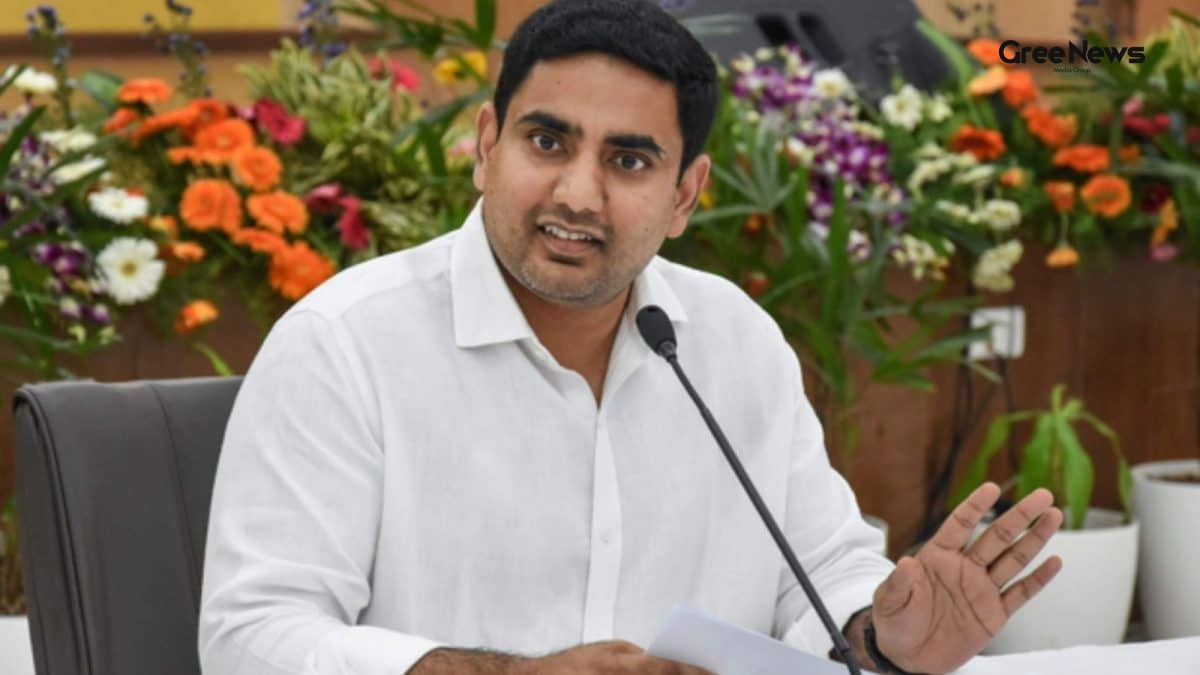
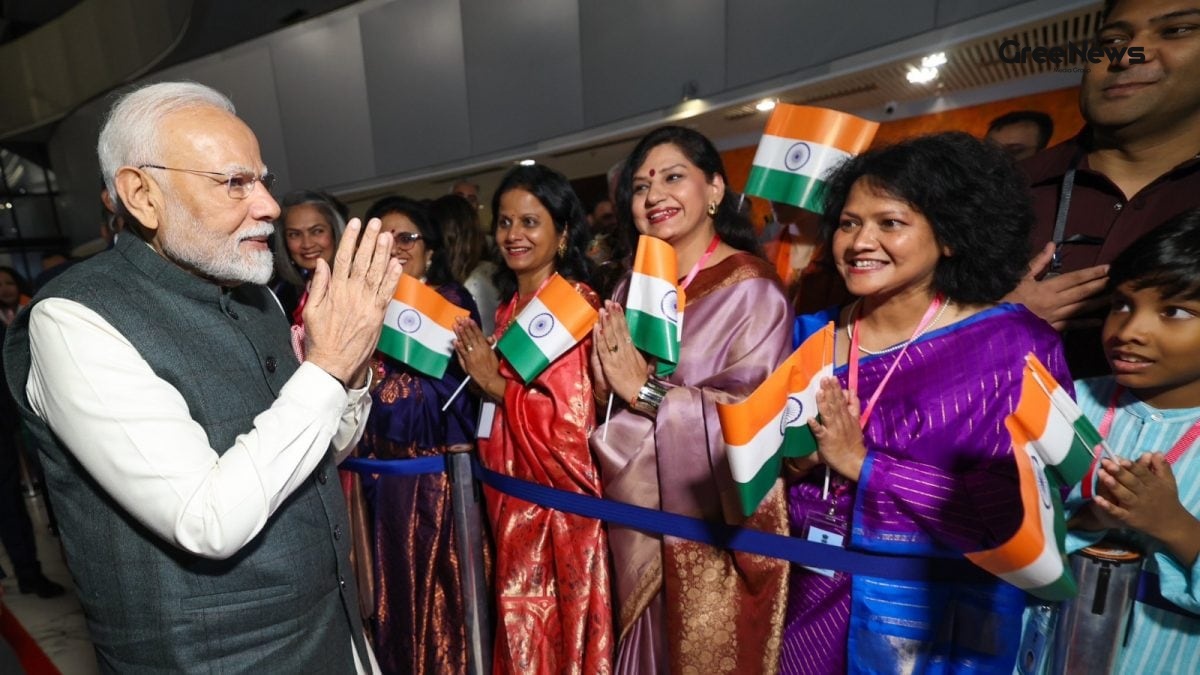
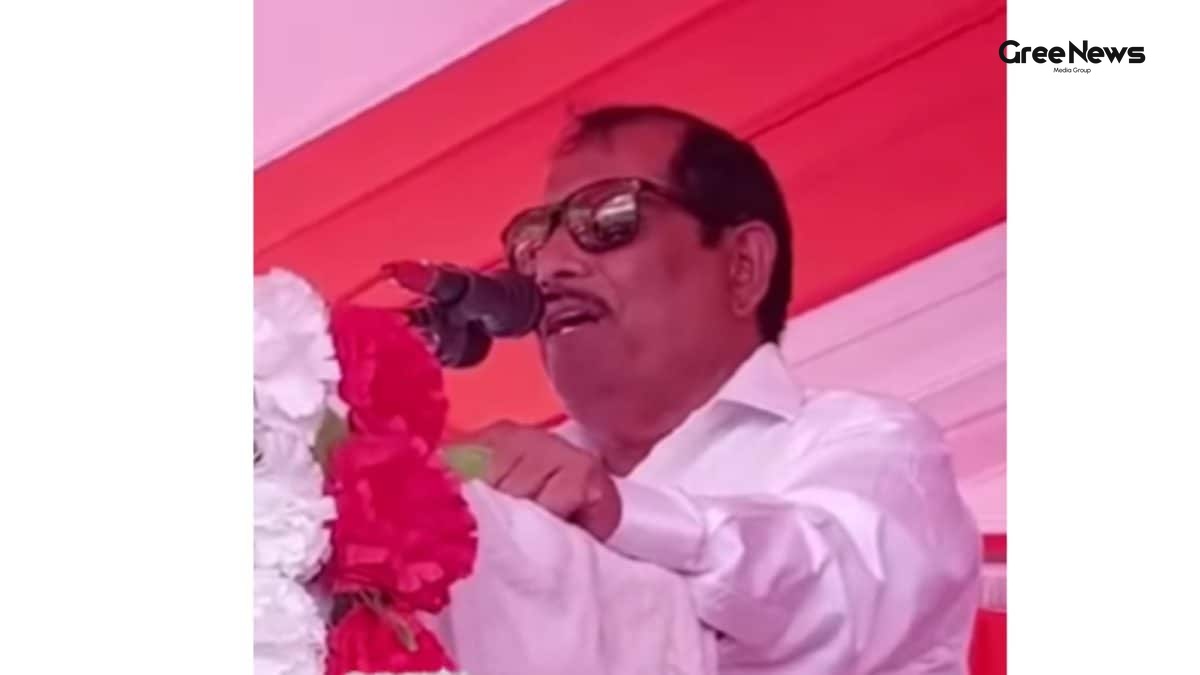
So, the other day I was watching the breaking news segment on a local channel and a story about a politician from Uttar Pradesh caught my eye. Shyam Prakash, who represents the Gopamau Assembly constituency in Hardoi district, had just spoken at an Ambedkar Jayanti event. In that speech, Shyam Prakash said something that many people found quite bold he told the audience to stop worshipping stones, the traditional family deities, and to start worshipping the “real gods of today”, naming Narendra Modi and Yogi Adityanath as those gods.
He went on to say that he considers “living people as God” because, in his view, they have the power to truly help the public. This wasn’t a casual remark; Shyam Prakash said it loud and clear, urging people to look at current leaders for guidance.
Honestly, when you hear someone mixing religion with politics like that, it grabs attention. And it did the comment quickly turned into a viral news item, especially on social media platforms where users started sharing snippets of the speech, asking whether this was a genuine belief or political theatre.
How Shyam Prakash explained himself
When reporters pressed Shyam Prakash for clarification, he said the remark reflected his personal view. He emphasized that he was referring specifically to the stone idols kept at home as family deities. Shyam Prakash added that he believes these stones don’t have the power to solve real problems, whereas Narendra Modi and Yogi Adityanath have the authority to bring about development.
He also used the platform to critique Dalit leaders, stating that many of them claim to speak for the community but often end up serving their own interests. "No Dalit leader can ensure your welfare. Big leaders mislead people to secure power," Shyam Prakash said. This part of his speech added another layer to the controversy, linking religious sentiment with broader political grievances.
What struck me was his candidness. In most cases, politicians in India tend to veil such statements in vague language, yet Shyam Prakash was pretty direct. It felt like he wanted to tap into a growing sentiment among some voters who admire strong, decisive leadership.
All India Trinamool Congress (AITC) jumps in
Not long after Shyam Prakash’s comments hit the headlines, the All India Trinamool Congress (AITC) issued a scathing response. In an Instagram post, AITC recalled an earlier remark by BJP MP Sambit Patra, who had said that "Mahaprabhu Lord Jagannath is a 'bhakt' of Narendra Modi." The post linked the two statements, suggesting that the BJP is building a "dangerous personality cult" around Narendra Modi.
AITC’s official account wrote: "Now, BJP MLA Shyam Prakash from Gopamau has gone even further, openly telling people to stop worshipping stones and start worshipping the ‘real gods of today’, Narendra Modi and Yogi Adityanath. And this is the ‘Poriborton’ they want to bring to Bengal, where Maa Durga will be replaced by Narendra Modi. Bengal will never accept this madness." The language was strong, and it clearly aimed to mobilise AITC supporters by portraying the BJP’s approach as a threat to cultural traditions.
For many of us scrolling through the trending news India feed, it felt like a classic political tug‑of‑war, except the battleground now included religious symbols and personal devotion.
Why this matters ahead of West Bengal elections
We are currently in the thick of the West Bengal election season, with the voting scheduled for two phases. The controversy surrounding Shyam Prakash comes at a time when both parties are trying to win over undecided voters. AITC’s reaction is clearly designed to remind the electorate in Bengal that a shift from traditional cultural icons to a political personality could be “madness”. On the other hand, the BJP may see Shyam Prakash’s statement as a way to showcase the party’s confidence in its leadership.
From a strategic perspective, the whole episode fits into a larger pattern of parties using religion and personal charisma to shape public perception. The latest news India outlets have highlighted how this narrative is being used to rally supporters, especially in regions where religious identity plays a significant role in politics.
What happened next is interesting: social media platforms were flooded with memes comparing stone idols to political leaders, while some users posted videos of themselves chanting slogans for Narendra Modi and Yogi Adityanath. The conversation quickly spiralled from a local speech in Hardoi to a nationwide debate about the role of personality cults in Indian democracy.
Public reaction on the ground
In my own experience, when I went to a tea stall in Lucknow to discuss the story with a few regulars, opinions were split. One elderly gentleman said, "We have always had stone idols at home, it’s part of our culture. I don’t understand why anyone would want to replace that with a politician." Another young guy, a college student, replied, "If Narendra Modi and Yogi Adityanath can make life better, why not respect them in a similar way?" This micro‑snapshot shows how the comment resonated differently across age groups.
Even in Hardoi itself, people were seen debating the issue in local markets. Some women argued that worship should remain personal and not be politicised, while some men felt that Shyam Prakash was simply voicing a sentiment that many already share that strong leadership can solve everyday problems.
Local newspapers picked up the story and called it a "controversial statement that could sway voter sentiment". The fact that the remark sparked such a broad discussion underlines how closely intertwined religion and politics remain in many parts of India.
Connecting the dots: political strategy or genuine belief?
When I think about Shyam Prakash’s speech, I wonder whether it was a calculated political move or a genuinely held belief. The line between the two is often blurred in Indian politics. Some analysts (as reported in various India updates portals) suggest that invoking religious language helps parties tap into emotions that pure policy discussions cannot reach.
Shyam Prakash’s statement also echoes earlier BJP narratives that portray Narendra Modi and Yogi Adityanath as “developmental deities”. By encouraging people to worship them, the party could be trying to deepen personal loyalty beyond the usual party affinity.
And yet, the backlash from AITC shows how risky this can be. If voters in Bengal see the BJP’s approach as an attempt to replace cultural symbols with political ones, it could backfire. That’s why the AITC’s tweet stressed that “Bengal will never accept this madness”. It’s a clear attempt to paint the BJP’s strategy as an existential threat to regional identity.
What does this tell us about the upcoming polls?
Looking ahead, the controversy may act as a litmus test for how much personal devotion to leaders influences voting behaviour. If the narrative around worshipping Narendra Modi and Yogi Adityanath gains traction, it could shift the campaign focus from policy issues like unemployment and agriculture to a more personality‑driven discourse.
On the other hand, the AITC’s emphasis on preserving cultural icons could resonate with voters who feel protective of their traditions. Their messaging suggests that they plan to counter the BJP’s “Poriborton” narrative by reinforcing local cultural pride.
In short, the Shyam Prakash episode is more than just a headline it’s a window into how political parties are trying to shape the conversation in this critical election cycle. As the voting days approach, we can expect both sides to double down on their respective narratives.
And if you’re following the latest news India feed, you’ll notice that every new development is being turned into a talking point, whether it’s about development, caste, or, as here, the very idea of worship.