Prime Minister Narendra Modi's Direct Assault on Trinamool Congress Leadership
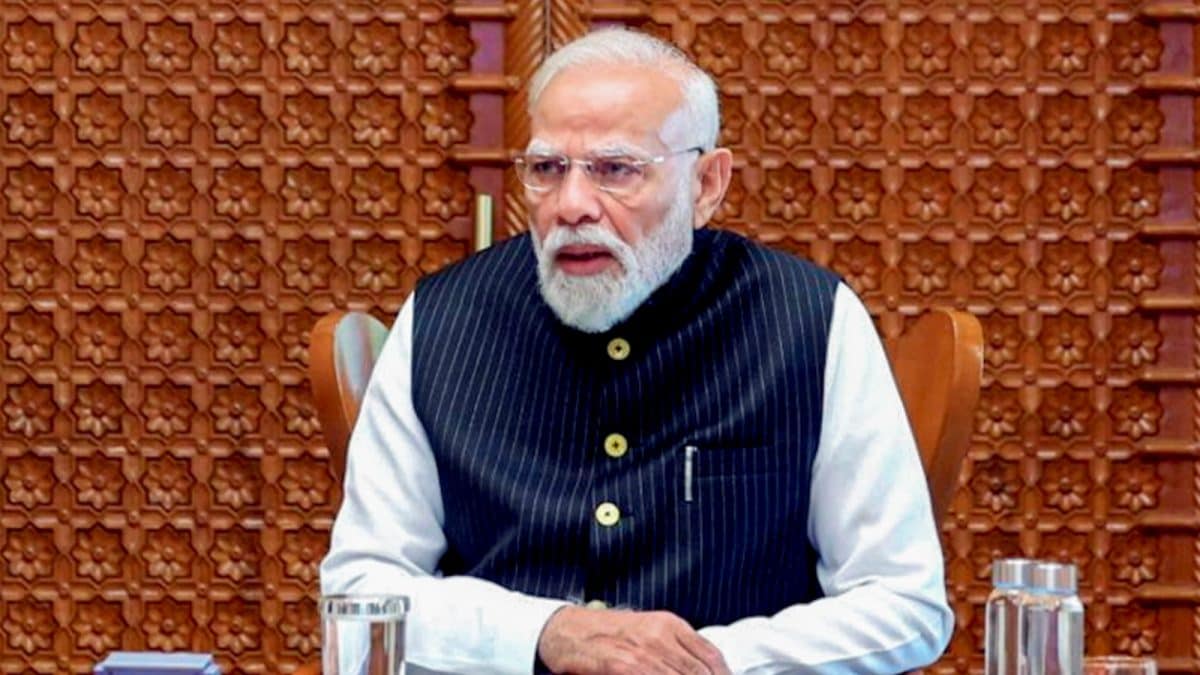
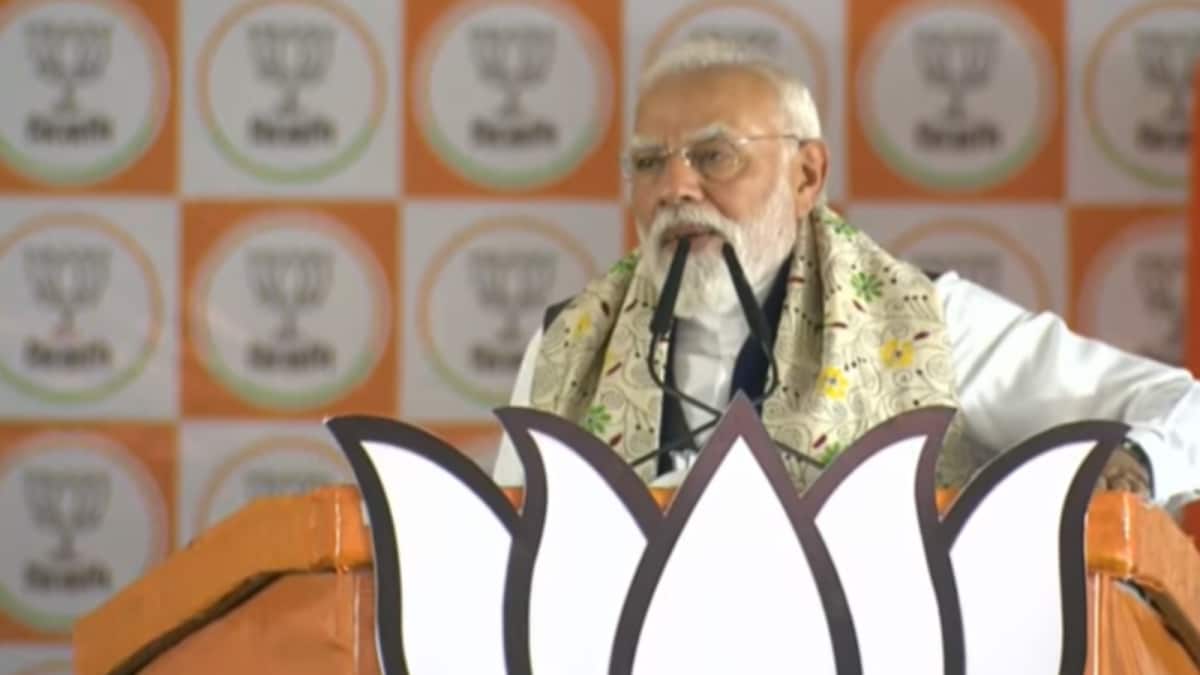
Prime Minister Narendra Modi arrived at the Asansol venue amidst the thunderous applause of thousands of supporters, signaling the commencement of a rally designed to energize the electorate ahead of the upcoming West Bengal polls. In a speech replete with vivid language, Prime Minister Narendra Modi asserted that Trinamool Congress has ruined West Bengal, positioning the alleged misrule as a direct impediment to the state’s historical trajectory of growth and prosperity. By invoking the phrase “ruined Bengal,” Prime Minister Narendra Modi anchored the central theme of the address: the necessity for a fundamental shift in governance, which, according to Prime Minister Narendra Modi, can be achieved only through the ascendancy of the Bharatiya Janata Party.
Throughout the address, Prime Minister Narendra Modi repeatedly highlighted the stark contrast between the aspirational promises of Trinamool Congress and the perceived reality of economic stagnation. Prime Minister Narendra Modi referenced West Bengal’s once‑vibrant industrial base, noting that the state now suffers from inadequate job creation, an issue that Prime Minister Narendra Modi identified as a direct consequence of Trinamool Congress policies. The repeated use of the term “misrule” underscored Prime Minister Narendra Modi’s narrative that the governance model of Trinamool Congress has failed to deliver essential services, thereby hampering the development of West Bengal's youth.
Allegations of Corruption and the Narrative of “Mafia Rule”
Prime Minister Narendra Modi escalated the rhetoric by labeling the administrative approach of Trinamool Congress as a “mafia rule,” a phrase intended to evoke images of organized criminality intertwined with political authority. Prime Minister Narendra Modi argued that West Bengal’s current state of affairs, including alleged corruption and mismanagement, is a direct outgrowth of Trinamool Congress’s alleged willingness to protect vested interests over public welfare. By employing the term “mafia,” Prime Minister Narendra Modi sought to dramatize the alleged extent of law‑breaking activities, presenting the Bharatiya Janata Party as the antidote to entrenched corruption.
The speech also featured a vivid depiction of a recent incident in Malda, wherein Prime Minister Narendra Modi claimed that Trinamool Congress workers displayed violent conduct towards security personnel, specifically the Central Reserve Police Force. Prime Minister Narendra Modi described the Malda episode as a “blunder” that epitomizes the breakdown of law and order under Trinamool Congress. By presenting the Malda incident as a culminating example, Prime Minister Narendra Modi framed it as the “final nail in the coffin” of Trinamool Congress governance, thereby urging voters to respond decisively at the ballot box.
The Economic Plea for Asansol and the Durgapur Region
Prime Minister Narendra Modi turned his focus to the specific needs of Asansol, characterizing the city as a region of hardworking individuals whose potential remains stifled by the current administration of Trinamool Congress. Prime Minister Narendra Modi contended that Asansol possesses the latent capacity to evolve into a mega‑city, an evolution that, according to Prime Minister Narendra Modi, has been hindered by the policies of Trinamool Congress. By emphasizing the notion that Asansol is “on the track of poverty and bad governance,” Prime Minister Narendra Modi positioned the Bharatiya Janata Party as the catalyst capable of unlocking the region’s economic promise.
The narrative extended to the nearby industrial hub of Durgapur, where Prime Minister Narendra Modi articulated a vision of coordinated development for both Asansol and Durgapur under a prospective Bharatiya Janata Party administration. The promise of infrastructure upgrades, job creation, and improved public services constitutes a core component of Prime Minister Narendra Modi’s appeal to the electorate, reflecting a theme of transformation that resonates throughout the rally.
Historical Context and the Call for Civic Courage
Prime Minister Narendra Modi invoked West Bengal’s historical experience of overcoming political intimidation, drawing a parallel between the populace’s past resilience during the era of Left rule and the present challenge posed by Trinamool Congress. By reminding the audience of West Bengal’s ability to “overcome fear,” Prime Minister Narendra Modi sought to inspire a renewed sense of civic courage, encouraging voters to reject the perceived dominance of Trinamool Congress. This historical framing serves to portray the upcoming election as a continuation of a long‑standing tradition of defiance against oppressive governance.
In reinforcing the notion of collective action, Prime Minister Narendra Modi repeatedly urged the electorate to deliver a “befitting reply” to the alleged atrocities committed by Trinamool Congress against its own citizens. The language employed by Prime Minister Narendra Modi seeks to galvanize a sense of responsibility among voters, positioning the ballot as a decisive tool for confronting corruption, restoring lawfulness, and revitalizing the state’s socioeconomic fabric.
Strategic Emphasis on Youth Unemployment and Developmental Lag
Explicit attention was given by Prime Minister Narendra Modi to the plight of West Bengal’s youth, whose prospects for employment, according to Prime Minister Narendra Modi, have been adversely affected by the governance approach of Trinamool Congress. Prime Minister Narendra Modi highlighted that the lack of meaningful job opportunities directly correlates with the broader narrative of developmental stagnation attributed to Trinamool Congress. By foregrounding youth unemployment, Prime Minister Narendra Modi aimed to connect the tangible concerns of younger voters with the broader critique of Trinamool Congress’s track record.
The speech also addressed the broader issue of stalled development across West Bengal, emphasizing that the once‑flourishing region has experienced a marked slowdown, an outcome Prime Minister Narendra Modi ascribed to the policies of Trinamool Congress. Prime Minister Narendra Modi’s articulation of this developmental lag serves to underscore the urgency of political change, suggesting that only a Bharatiya Janata Party‑led administration can reverse the trend and restore West Bengal’s growth momentum.
Vision of a Rejuvenated West Bengal Under Bharatiya Janata Party Leadership
Prime Minister Narendra Modi presented a forward‑looking blueprint for West Bengal, emphasizing that a Bharatiya Janata Party administration would prioritize industrial expansion, infrastructural modernization, and heightened security. The vision articulated by Prime Minister Narendra Modi includes a revitalized Asansol, a thriving Durgapur, and a West Bengal that reclaims its reputation as an economic powerhouse. By casting the Bharatiya Janata Party as the agent of transformation, Prime Minister Narendra Modi positioned the upcoming election as a pivotal moment for achieving these aspirations.
In addition to economic promises, Prime Minister Narendra Modi stressed the importance of law and order, promising that a Bharatiya Janata Party government would hold security forces, including the Central Reserve Police Force, in higher regard and ensure that any attempt to undermine them would be met with decisive action. This emphasis on security reinforces the narrative that Trinamool Congress’s alleged hostility toward law‑enforcement agencies has exacerbated instability, a condition Prime Minister Narendra Modi pledged to rectify.
Political Landscape: References to Ongoing Statewide Contests
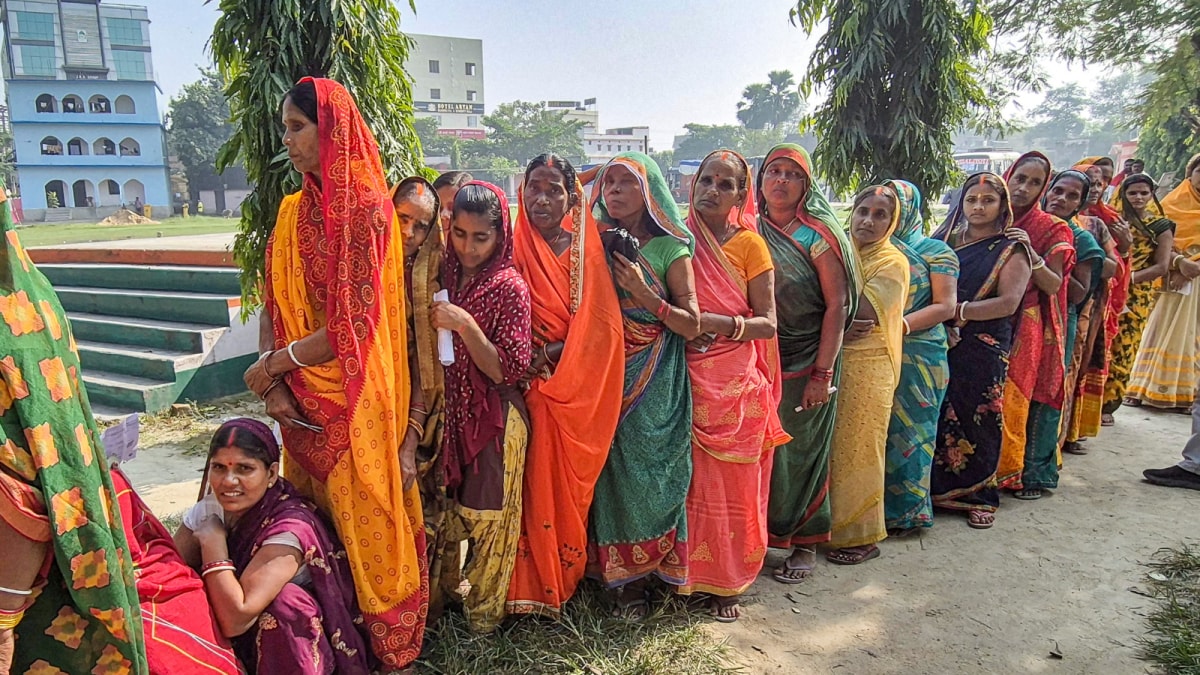
Within the rally’s discourse, Prime Minister Narendra Modi briefly alluded to other electoral contests taking place across the nation, naming Kerala, Assam, and Puducherry as examples of regions where voters are also exercising their democratic rights. By mentioning Kerala Elections, Assam Elections, and Puducherry Elections, Prime Minister Narendra Modi highlighted a broader national pattern of citizen engagement, while implicitly suggesting that the West Bengal electorate should follow suit by delivering a decisive verdict against Trinamool Congress.
The mention of voter turnout in Kerala, Assam, and Puducherry served to reinforce the message that high participation levels are essential for achieving meaningful political change. Prime Minister Narendra Modi’s invocation of these parallel contests underscores the notion that the West Bengal electorate holds comparable power to shape the direction of governance at the state level.
Conclusion: A Call to Action for West Bengal Voters
Summing up the rally’s central themes, Prime Minister Narendra Modi reiterated that the forthcoming election presents a unique opportunity for West Bengal’s citizens to dismantle what Prime Minister Narendra Modi described as the “mafia rule” of Trinamool Congress. By urging voters to cast their ballots in favor of the Bharatiya Janata Party, Prime Minister Narendra Modi framed the act of voting as a moral imperative aimed at eradicating corruption, restoring economic vitality, and guaranteeing security for all West Bengal residents.
Prime Minister Narendra Modi’s final appeal emphasized that only through collective resolve can the state overcome the challenges attributed to Trinamool Congress, thereby ensuring that West Bengal once again becomes a beacon of prosperity and good governance under the stewardship of the Bharatiya Janata Party.