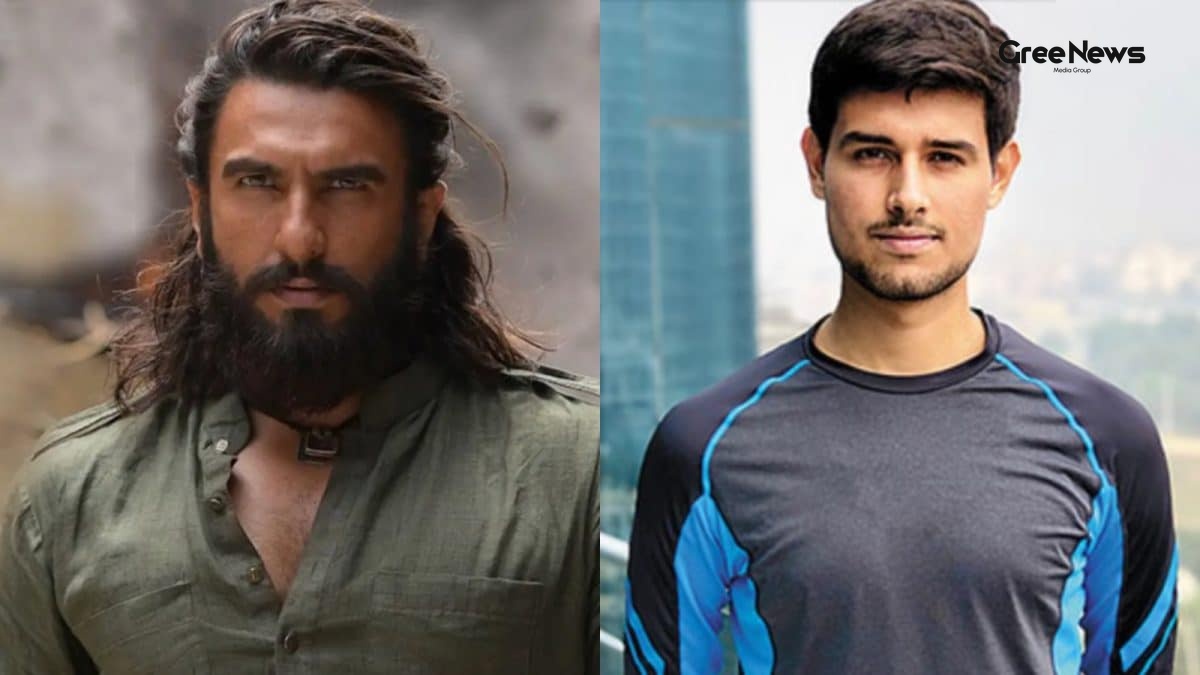
When I was scrolling through my phone this morning, a new RuPay commercial featuring Ranveer Singh popped up. It wasn’t just any ad it also starred Prakash Padukone, the legendary badminton champion who is now Ranveer’s father‑in‑law. The clip was colourful, full of quirky props like a unicorn, and Ranveer even called Prakash "Pappa" in a very affectionate way. As someone who follows the latest news India daily, I immediately thought this would be a simple brand endorsement, but then something tiny caught my eye a poster in the background that read "Bavandar: The Tornado". That little detail turned the whole thing into breaking news.
First impression the ad that felt like a family get‑together
Honestly, the ad felt like a casual hangout at my cousin’s house during Diwali. Ranveer was dressed in casual streetwear, Prakash was in a neat kurta, and they were surrounded by badminton rackets and a mischievous unicorn plush. The mood was light‑hearted, and Ranveer kept dropping nicknames for Prakash "Pappa", "Sir", and even "Bhai" at one point. The script was peppered with jokes about Ranveer’s fondness for spicy food and Prakash’s legendary smashes on the court. In most cases, ads like these try to tug at the heartstrings, and I must admit, they did work. But then I paused the video, zoomed into the cinema‑like set, and spotted that poster. It was a tiny piece of set‑dressing, yet it made the whole thing feel like a hidden message.
When I think about my own experiences, I recall watching a cricket match advertisement where a cricket bat turned into a snake a tiny nod to a famous movie scene that only die‑hard fans would notice. That moment made the ad memorable for me, and I suspect the same is happening here the poster is the new “Easter egg”.
Why the poster became an instant talking point
Right after I noticed the "Bavandar" title, a flood of comments erupted on Twitter, Instagram and even on YouTube Shorts. The phrase "Bavandar: The Tornado" sounded oddly familiar, especially for anyone who follows Dhruv Rathee’s channel. A few weeks earlier, Dhruv had posted a video critiquing the Dhurandhar film series, and in that video he referenced a fictional title called Operation Bhavandar. He used it as a sarcastic example of how some movies claim to be based on true events while actually being pure propaganda.
Because of that, fans immediately connected the dots. Many wrote that Ranveer was subtly trolling Dhruv Rathee a notion that spread faster than a viral news story on social media. The moment was literally "blink‑and‑miss" but its impact was huge, and it quickly became a piece of trending news India today.
Fans’ reaction from memes to serious debates
The internet love for celebrity drama is something you can’t ignore. Within minutes, my WhatsApp group, which usually shares cricket scores, was buzzing with jokes like "How Ranveer Singh trolls @dhruv_rathee!" and meme images of Ranveer wearing a detective hat looking for clues. One comment that stood out read, "we see what you did there," while another user wrote, "peak detailing, Ranveer!" The tone was half‑serious, half‑playful, exactly the vibe that makes a piece of content go viral.
What fascinated me was how quickly the conversation moved from light‑hearted memes to a deeper discussion about media influence. Many users started questioning whether Ranveer and the ad agency intentionally slipped in the poster to create buzz, or whether it was a pure coincidence. Some speculated that the ad creators wanted to ride on the wave of Dhruv’s criticism of the Dhurandhar franchise, essentially turning a simple brand ad into a strategic PR stunt.
Dhruv Rathee’s original criticism a quick recap
For those who might have missed his original video, Dhruv Rathee had taken a hard look at the Dhurandhar movies, describing them as politically charged propaganda. He said, "Well‑made propaganda is more dangerous. Films like The Taj Story and The Bengal Files weren’t dangerous because they were bad, but Dhurandhar feels authentic because it pretends to be based on reality." He argued that while mainstream Bollywood spectacles like Pathaan or Tiger are obviously fictional, Dhurandhar tries to pass off its fictional narrative as fact, which makes it more potent in shaping public opinion.
Dhruv also mentioned that the film’s storyline an Indian spy infiltrating the Lyari gangs in Pakistan is loosely inspired by real incidents from the early 2000s. He felt the filmmakers were trying to blend fact and fiction in a way that could mislead people who aren’t aware of the nuanced history. This criticism itself became a hot topic, spawning a series of responses from fans of the film, political analysts, and ordinary netizens alike.
Understanding Dhurandhar why the movie matters
Dhurandhar, directed by Aditya Dhar, is set against the backdrop of Indo‑Pak tensions and follows an Indian intelligence officer who goes deep undercover in the Lyari neighborhood of Karachi. The film boasts a star‑studded cast Akshaye Khanna, Sanjay Dutt, Arjun Rampal, R. Madhavan, along with the charming Sara Arjun and the seasoned Rakesh Bedi. The narrative weaves together action, drama, and a touch of romance, but the core of the story is its claim to be “based on true incidents”.
From a cinematic perspective, the film’s high production values and gripping screenplay make it an attractive watch. However, because it intertwines real geopolitical events with dramatized action sequences, the line between reality and fiction becomes blurred exactly what Dhruv warned about. The movie’s marketing also played heavily on the “real‑story” angle, which amplified the controversy when critics like Dhruv started dissecting its authenticity.
The art of subtle trolling is it a new trend?
Seeing Ranveer’s tiny poster reference got me wondering: are Indian celebrities now using such subtle digs as a form of brand building? In many of my conversations with friends, we’ve noticed that when a star drops an inside joke about another public figure, it often leads to a spike in search trends and, yes, more ad views. This is especially true when the “troll” is done through a product ad rather than a personal vlog the impact feels fresher and reaches a broader audience.
From the perspective of digital marketing, planting a hidden message that sparks debate can be a gold mine. The phrase "Bavandar" serves as a hook that pulls people into the conversation, making the ad memorable beyond its product pitch. Moreover, it creates an organic buzz that no paid media campaign can easily replicate. In the era of breaking news and trending hashtags, such tactics could become a common playbook.
What does this mean for the audience?
As an average viewer, I feel a mix of amusement and a little skepticism. On the one hand, it’s entertaining to spot Easter eggs and wonder about the intent behind them. On the other, the rapid spread of these theories shows how quickly a simple visual cue can spiral into a national discussion, especially when it taps into existing tensions in this case, the ongoing criticism of how films portray real events.
This incident also highlights the power of social platforms in shaping the narrative. One user’s comment about "peak detailing" turned into a trending tag, and soon the whole drama was part of the viral news cycle. It’s a reminder that in today’s digital age, a single frame can become a catalyst for debates ranging from celebrity banter to serious political discourse.
Looking ahead will Ranveer or the ad agency comment?
So far, neither Ranveer Singh nor Prakash Padukone has publicly addressed the poster. The silence itself has become a part of the story; many fans are now waiting for a ‘reply’ or a behind‑the‑scenes video that could confirm whether the reference was intentional. The speculation has already driven a noticeable bump in viewership numbers for the ad, and it’s likely that the brand behind it RuPay enjoys the extra exposure without having to release a separate press statement.
What I find most intriguing is that whatever happens next will probably be covered as part of the next wave of trending news India sites. If Ranveer later says, "Yeah, I threw that in as a little nod to Dhruv," it will add another layer to the story. If he denies it, the mystery will linger, and the internet will keep dissecting every frame for new clues. Either way, this little poster has already proven its worth as a conversation starter, and that’s a win for anyone looking to keep their content fresh in the ever‑changing media landscape.
Final thoughts a glimpse into modern Indian media culture
All in all, the Ranveer‑Prakash RuPay ad reminds me how intertwined celebrity culture, political commentary, and digital media have become. What began as a simple advertisement turned into breaking news, a meme frenzy, and a topic discussed in cafés across the country. It also shows that the Indian audience loves a good story, especially when it comes with a hidden twist.
If you ever find yourself watching an ad and you think you saw something odd, pause, rewind, and look again you might just be witnessing the next piece of viral news that everyone will be talking about tomorrow.