Why I’m writing about a phone call that sounded like a chat over chai
Honestly, I was sipping my morning masala tea, scrolling through the news on my phone when I saw a headline about Donald Trump calling Benjamin Netanyahu. It felt a bit like hearing about a neighbour’s argument over the compound fence – you know it’s serious, but the way it’s described makes it feel very personal. So I thought, why not share what I understood, in a simple way, as if I were explaining it to a friend over a cup of coffee?
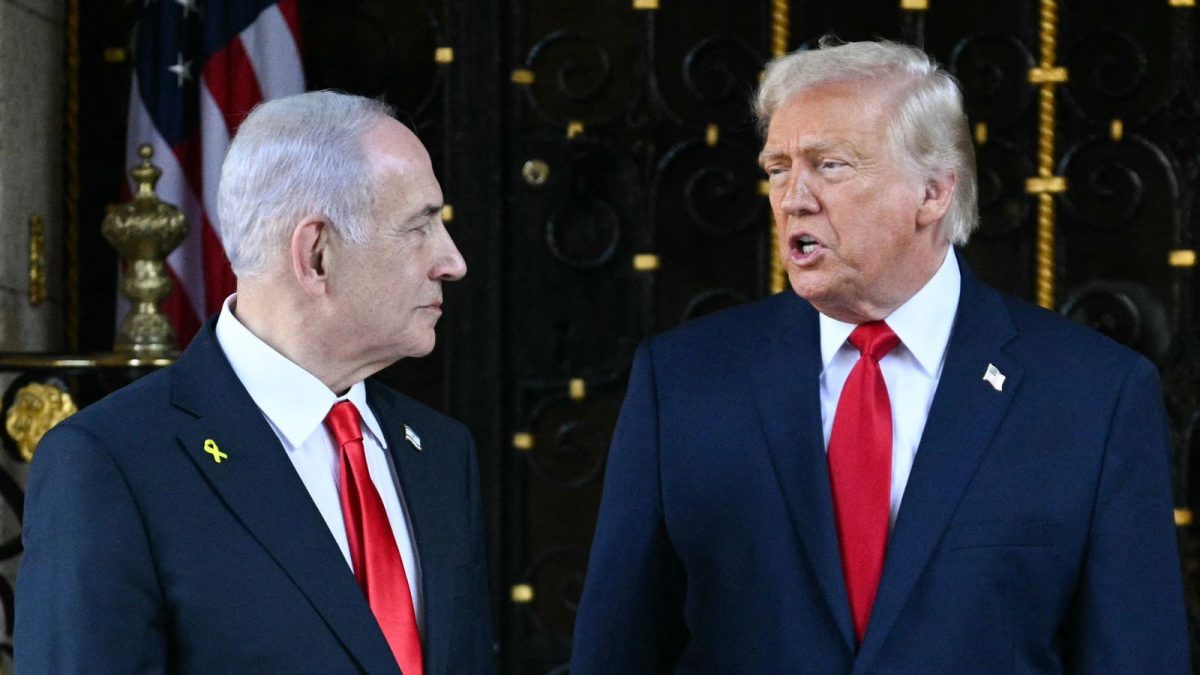
Here’s the gist: the U.S. President, Donald Trump, rang up the Israeli Prime Minister, Benjamin Netanyahu, and basically asked him to calm things down in Lebanon. He said the heavy‑handed strikes Israel was carrying out could mess up a delicate truce between the United States and Iran, and also endanger some peace talks that were supposed to happen in Islamabad soon.
The call – short, direct, and a bit surprising
According to a U.S. official who spoke to The Wall Street Journal, the conversation was shorter than the typical back‑and‑forth between the two leaders. That, in itself, was a clue that Trump wasn’t just making small talk. He went straight to the point – “I get why Israel wants to defend itself, but you need to support the cease‑fire by lowering the tempo of your attacks.”
Now, imagine you’re at a family function, and your elder brother, who usually talks for an hour about everything, suddenly says, “Listen, I’m only going to tell you what you need to know; keep it simple.” That was the vibe of this call.
Trump also told NBC News later that he felt everyone needed to be “a little more low‑key” about the Lebanon conflict. The phrase “low‑key” is a very modern Indian way of saying “cool it down”, and it stuck with me because it sounded like something you’d say on a WhatsApp group chat when the conversation is getting out of hand.
What triggered the urgency? A wave of strikes that shocked the region
Just a few hours after Trump announced a U.S‑Iran cease‑fire, Israel launched what officials described as roughly 100 almost simultaneous strikes on Lebanon. The Lebanese health ministry reported that more than 300 people lost their lives and that residential buildings in neighbourhoods outside Hezbollah’s usual strongholds were reduced to rubble.
It reminded me of the chaotic traffic jams we face in Delhi during peak hour – one small incident can trigger a cascade of problems. In this case, the “incident” was the massive aerial bombardment, and the cascade was the immediate protests from Iran and Pakistan, both of which were acting as mediators for the cease‑fire.
The White House got jittery, fearing that Tehran might use the heightened fighting as leverage to demand bigger concessions, or even walk away from the peace talks entirely. If you’ve ever tried to negotiate a salary raise with your boss while your colleague is shouting from the next cubicle, you’ll get why the timing felt so critical.
Netanyahu’s public stance – no cease‑fire, full force
Even though Trump was quietly urging a softer approach, Netanyahu stayed firm in public. He said, “There is no cease‑fire in Lebanon. We continue to strike Hezbollah with full force.” That statement was as clear as the morning sun over the Ganges – no room for ambiguity.
Israeli Defence Minister Israel Katz also chimed in, saying the Israeli military planned to push its line all the way to the Litani River, which is about 20 miles from Israel’s border. Think of it like trying to extend your garden a few feet beyond the neighbour’s fence – it’s a strategic move meant to create a buffer zone.
On the other side, Lebanon’s President Joseph Aoun is urging a pause, calling a cease‑fire the only viable solution. He’s basically saying, “Let’s stop the bloodshed and talk.” It’s a sentiment you’ll hear in every Indian household when a heated argument starts – someone always tries to bring peace.
Negotiations on the horizon – will they survive?
Direct talks between Israel and Lebanon are tentatively scheduled for next week, with the United States acting as the mediator. If you think about it, it’s a bit like when two families meet to sort out a property dispute – you need a neutral third party, and in this case that neutral party is the U.S.
Since early March, the Lebanese health ministry says more than 1,800 people have been killed. The human cost is massive, and every new casualty adds another layer of grief to families who are already struggling to make ends meet, just like many of us who worry about the next electricity bill.
If the talks go well, we might see a return to a fragile but functional status quo. If they don’t, we could be looking at a longer‑lasting conflict that drags on, affecting not just the battlefield but also the daily lives of ordinary citizens – from school kids in Haifa to shopkeepers in Beirut.
My personal take – why this matters to us back home
When I think about this whole episode, I can’t help but draw parallels with our own political landscape. We often hear leaders speak in grand, formal tones, but behind those speeches are phone calls, personal nudges, and informal chats, much like the one between Trump and Netanyahu.
For an Indian reader, the term “low‑key” might sound foreign, but the underlying principle is familiar: don’t let a small issue blow up into a national crisis. Whether it’s a protest outside a college campus or a disaGreement between political parties over a policy, the same idea of dialing back intensity to keep peace applies.
Also, the fact that the U.S. is worried about Iran using the conflict to gain bargaining power reminds me of how regional powers in South Asia often try to exploit local disputes for their own benefit. It’s a reminder that geopolitics is rarely isolated – actions in one part of the world can ripple across continents, just as a sudden rainstorm in Mumbai can cause traffic snarls that affect the whole city.
Looking ahead – what could change the narrative?
There are a few possible outcomes. First, if the upcoming talks succeed, we might see a temporary cease‑fire that could give humanitarian agencies a chance to reach the affected areas. That would be like finally getting a relief valve after a long period of pressure.
Second, if the talks stumble, the conflict could escalate further, potentially pulling other regional players into the fray. In the Indian context, that would be akin to a local dispute turning into a state-wide debate, with more stakeholders and higher stakes.
Third, the international community, especially nations like the United Kingdom, France, and Germany, could increase diplomatic pressure on both sides to stick to a cease‑fire. It’s a bit like when our senior relatives step in to calm down a family argument – they may not have the final say, but their influence can shape outcomes.
Whatever the road ahead looks like, the key takeaway for us is the importance of communication – even a short, direct phone call can have huge ramifications. It reminds me of the time when my uncle called me just before a big exam, telling me to stay calm and not over‑think; his simple advice helped me focus and perform better.
Conclusion – a reminder that behind every headline is a human conversation
At the end of the day, the call between Trump and Netanyahu was more than just diplomatic jargon; it was a human interaction, filled with urgency, concern, and a bit of impatience. It showed how leaders, despite their high‑profile roles, can also be ordinary people trying to manage crises in real time.
For us reading this from the other side of the world, it’s a reminder that peace isn’t just made in conference rooms; it’s often nudged forward by simple, sincere conversations. And just like we try to keep our own family gatherings smooth with a bit of humour and a cup of chai, perhaps world leaders need that same blend of seriousness and softness to keep the world from spiralling into more conflict.
So next time you hear about a big political event, try to imagine the human side of it – the phone calls, the late‑night emails, the same “low‑key” advice that we all give each other over a slice of samosa. It might just help us understand the complexities a little better.