When I first heard that the United States was pulling back on those oil waivers, I was sitting in a small tea stall in Bangalore, scrolling through my phone for the latest news India. The headline slapped me like a sudden gust of monsoon wind the US says no more extensions for Russian and Iranian crude licences. I could almost hear the chatter around me as folks wondered what this would mean for fuel prices back home. Honestly, I felt a mix of surprise and a bit of worry, because the waivers had become a sort of safety net for many of us who rely on cheap diesel for daily commutes.
Why the waivers mattered in the first place
To understand why this decision is making headlines, you need a quick walk‑through of what the waivers actually did. Earlier this year, the US Treasury rolled out a short‑term, 30‑day licence that let Indian refiners buy Russian oil that was already stuck at sea. The idea was simple: keep the oil flowing, avoid a sudden spike in global prices, and give the market some breathing room while geopolitical tensions were heating up. It wasn't meant to be a permanent solution the Treasury had repeatedly said it was a ‘stop‑gap’ measure.
At the same time, a separate waiver let Iran ship oil that had been loaded onto tankers before a specific early‑year deadline. Roughly 140 million barrels were covered under that arrangement, providing a modest buffer for global supply concerns. Together, these licences helped keep the pump numbers steady for a while, and even earned the US administration some credit for trying to ‘lower soaring global energy prices.’
The turning point: Scott Bessent’s announcement
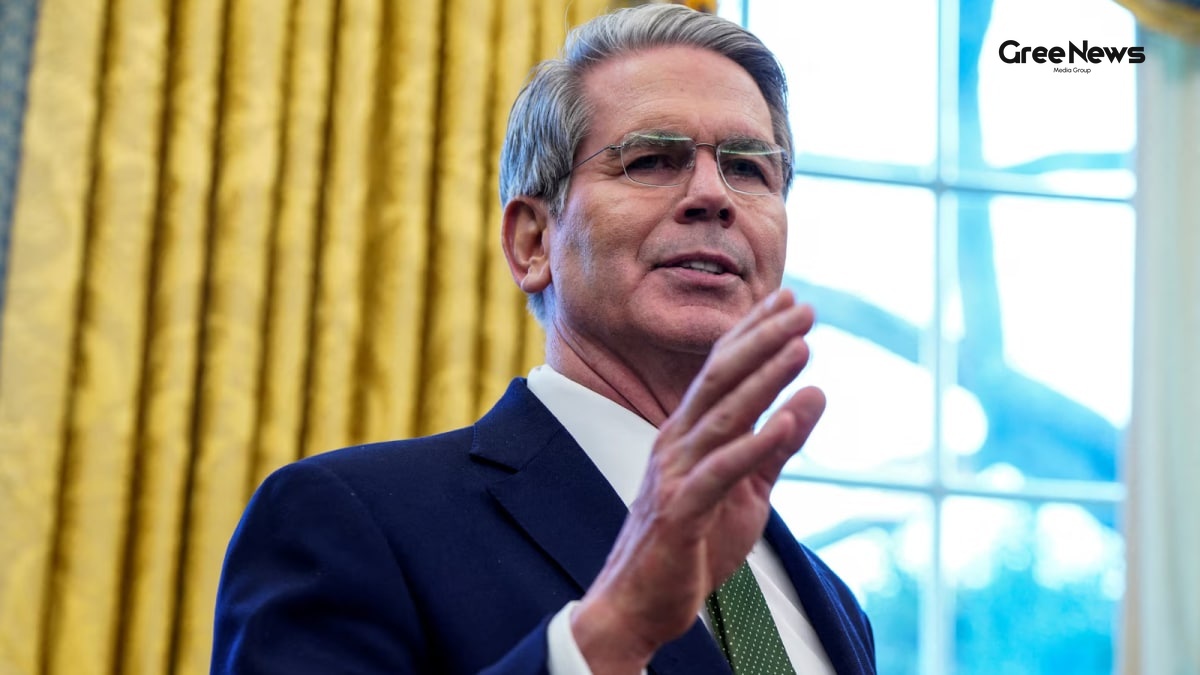
During a press briefing that I watched on a live TV channel, Treasury Secretary Scott Bessent said something that caught people’s attention. He clearly stated that Washington would not renew the general licence on Russian oil, nor the one on Iranian oil. He added that the licences only covered oil that was already on the water before the early‑year cutoff, and that all those transactions had now been used up.
In his own words, "We will not be renewing the general license on Russian oil, and we will not be renewing the general license on Iranian oil. That was oil that was on the water prior to the early‑year cutoff. So all that has been used." This statement, quoted by the news agency Gree, marked a definitive end to the temporary relief that had been in place.
What the waiver actually allowed
The original 30‑day waiver was framed as a way to enable oil to keep flowing into the global market without giving any significant financial boost to the Russian government. It specifically authorised transactions involving oil already stranded at sea, which meant that the money flowing from Indian purchases would not directly fund Russian war efforts, at least according to the Treasury’s wording.
Scott Bessent, while explaining the rationale, called India an “essential partner” of the United States. He said Washington expected New Delhi to increase its purchases of US oil as the Indian market adjusted. The notion was that by allowing this limited purchase, the US could help alleviate the pressure created by Iran’s attempts to take global energy hostage.
Immediate impact on Indian refiners
For Indian refineries, the expiry of the waiver means they have to look elsewhere for crude supplies. Many of them had started counting on the short‑term access to Russian barrels to balance their feedstock and keep the cost of gasoline and diesel in check. With the licence now gone, there’s a real risk that the procurement teams will face tighter credit lines and higher freight costs to source oil from the Middle East or the US itself.
In my own circle of friends who work in the oil trading sector, the buzz was immediate. One of them mentioned that they had already begun negotiating alternative contracts, but warned that the market could become ‘more volatile’ in the coming weeks. That’s a typical reaction you hear on market floors in Mumbai a mix of caution and hurried planning.
Possible ripple effects on global oil prices
Globally, analysts are already flagging a likely uptick in crude prices. The logic is simple: if a major buyer like India pulls back from a source, demand will shift to other regions, tightening the overall supply balance. Some market watchers even hinted that this could add a few dollars per barrel to the price at the pump, which would directly affect the daily commute of an average Indian household.
When I talked to a senior economist over a cup of chai, he said, “This move is a clear sign that the US is moving away from using sanctions waivers as a price‑control tool. The global market will now adjust based on pure supply‑demand dynamics, and we may see a sharper price curve.” It’s a perspective that aligns with the broader sentiment that the era of ‘sanctions‑driven market engineering’ might be coming to an end.
Political undercurrents and strategic calculations
From a political angle, the decision reflects a shift in US foreign policy. Instead of using waivers as a diplomatic lever, Washington appears to be tightening the noose on countries it deems hostile. By letting the licences lapse, the US signals that it will no longer compromise on sanctions for short‑term market stability.
For India, this brings a subtle but important strategic challenge. India has long walked a fine line between maintaining its energy security and staying aligned with broader geopolitical currents. The expiry of the waivers forces New Delhi to think about diversifying its oil portfolio, perhaps by increasing purchases from the US, boosting domestic refining capacities, or even looking into renewable alternatives.
What Indian consumers might feel
On the ground, the average Indian commuter may notice a bump in fuel prices at the pump. While the increase might not be massive overnight, any upward tick tends to be felt keenly when you fill up a two‑wheelers or a small car. Moreover, the cost of goods that depend on transportation like fresh vegetables in the local market could creep up a bit.
My own family, which drives a modest hatchback, has already started budgeting a little extra for diesel. It’s that typical Indian habit of keeping an eye on the ‘fuel price index’ every Sunday, a ritual that now feels a bit more urgent.
Possible ways forward for the Indian oil sector
Given the new landscape, Indian oil companies are likely to pursue a few strategies. First, they may increase imports from the United States, which could give a modest boost to US‑India energy ties. Second, they might renegotiate contracts with Middle Eastern suppliers to secure better terms before the market tightens further. Third, there’s a growing chatter about speeding up investments in renewable energy solar, wind, and even bio‑fuels as a hedge against future supply shocks.
In the conversations I’ve had with industry insiders, there’s a common thread: ‘adaptability.’ The sector has weathered many policy changes over the years, from the 1990s import‑export liberalisation to recent environmental norms. This latest twist is just another test of that resilience.
Conclusion: A turning point for global oil dynamics
All things considered, the US decision to let the sanctions waivers on Russian and Iranian oil expire is a clear signal that the days of using temporary licences to manage global energy prices are winding down. For India, it brings both challenges and opportunities a need to re‑think oil procurement, a chance to deepen ties with alternative suppliers, and a reminder that energy security remains a moving target.
As I wrapped up my reading of the breaking news, I couldn’t help but feel that this episode will be a talking point for weeks to come, especially when the markets react and the petrol pumps start showing new numbers. It’s yet another chapter in the ever‑evolving story of how geopolitics, economics, and our everyday lives intersect a story that’s certainly part of the trending news India loves to follow.