How I First Heard About the New Deal
Honestly, I was scrolling through the latest news India while sipping my morning chai, when a headline about a possible United States‑Iran final deal popped up. It felt like a mix of breaking news and something out of a thriller you know, the kind of story that makes you put the phone down for a second and think, "what's going on?". The article mentioned three big things a ceasefire in Lebanon, nuclear caps on Iran and the reopening of the Strait of Hormuz all bundled together like a single, heavy parcel. I had to read it a couple more times because it sounded too massive to be true.
What caught my attention next was Trump’s comment about fresh negotiations possibly happening in Pakistan within two days. That line felt almost like a movie dialogue, and I could see it trending on social media fast. In most cases, when a big power like United States hints at a rapid diplomatic push, the whole region holds its breath. Even my neighbour in Delhi, who works in an oil trading firm, switched his TV to the channel covering the story, because the Hormuz Strait directly affects oil flow to Indian refineries.
The Core Pieces of the Proposed AGreement
According to the sources I read, the final aGreement is expected to bring together three core elements:
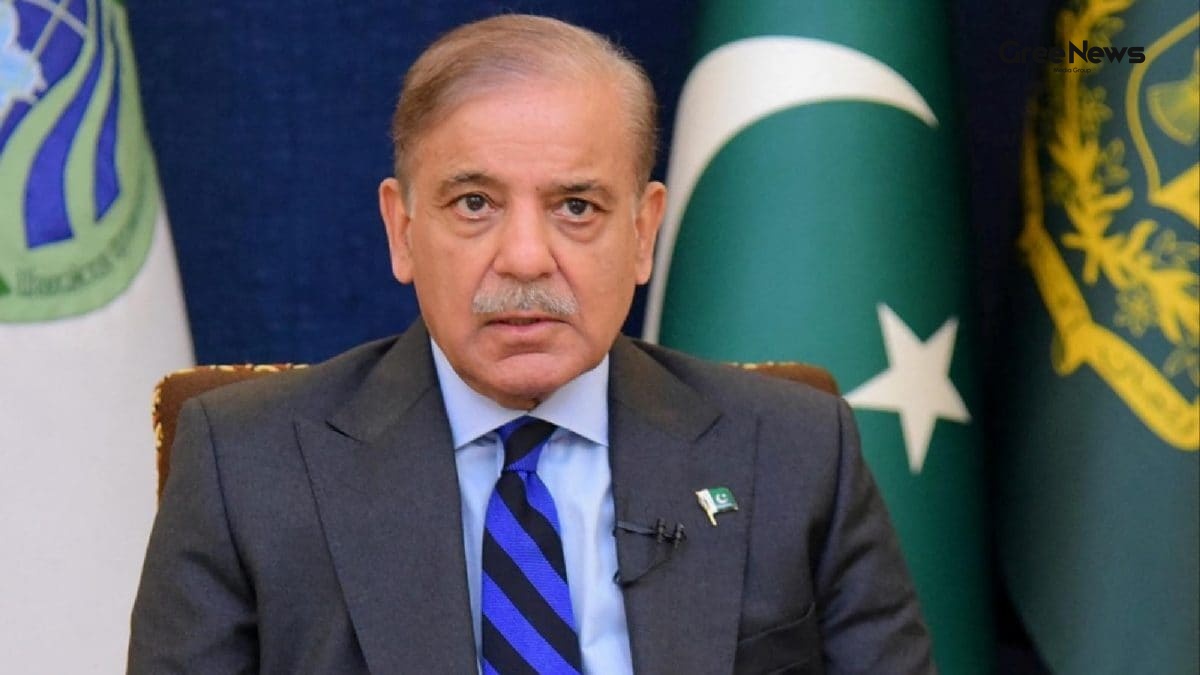
- A Lebanon ceasefire that has been publicly announced by Pakistan Prime Minister Shehbaz Sharif.
- Limits on Iran’s nuclear programme, sometimes referred to as nuclear caps, that could bind Iran to a five‑year freeze on uranium‑related activities.
- The reopening of the Strait of Hormuz, which is a key maritime corridor for oil‑dependent economies like India.
What happened next is interesting the framework is being shaped to make sure each piece supports the others. For example, the ceasefire isn’t just a line in the document; it’s meant to be quoted verbatim in the joint communique, giving Iran a diplomatic shield while letting the United States showcase a broader regional consensus. Imagine that a single document that could potentially calm down tensions in the Middle East and also keep the oil tankers moving.
Why Pakistan’s Role Matters to Us
If you ask most people in India, they might wonder why Pakistan, a country we often hear about in the context of cricket rivalries, is suddenly in the middle of a United States‑Iran deal. The answer lies in the fact that Pakistan’s Shehbaz Sharif is spearheading the Lebanon ceasefire announcement. By putting Pakistan at the centre, the deal gives Tehran a third‑party cover, which is crucial for the country’s internal politics.
On the ground, I saw a few analysts on Indian news channels talking about how this could shift the balance of power in South Asia. If Pakistan can claim a role in brokering peace, it might boost its diplomatic standing, and that, in turn, could affect how India engages with both United States and Iran on trade and security.
Many people were surprised by this twist, because it is not every day you see Pakistan acting as a peace‑keeper in a conflict that directly involves the United States and Iran. The whole situation turned into trending news India within hours, with hashtags like #PakistanPeace and #MiddleEastDeal lighting up Twitter.
The Temporary Ceasefire and Its Expiry
One of the ticking clocks in this drama is the temporary ceasefire between United States and Iran, which is set to expire soon. The source said that if talks collapse after that, there could be an escalation that would send shockwaves through the global oil market. For India, that means higher crude prices and a possible rise in gasoline costs at the pump.
Personally, I remember the last time the Hormuz Strait faced a blockage fuel prices jumped and many of my friends in Mumbai complained about the sudden surge in their commute costs. This is why the reopening of the Strait of Hormuz is such a big deal in the latest news India feeds.
So, the urgency is real. The United States is pushing hard to keep the corridor open, while Iran wants guarantees that its nuclear programme won’t be used as a pretext for further sanctions. The balancing act is delicate, and the next two days could decide whether we see a de‑escalation or a new round of tension.
Iran’s Stand on Regional Allies
While the nuclear caps are on the table, Iran remains firm on one major demand no compromises involving its regional allies like Hamas, Hezbollah and the Houthis. The sources I consulted said Iran refused any language that would require it to scale back support for these groups.
This stance adds a layer of complexity because any mention of those groups in the final document could be seen as a concession. To navigate this, the draft aGreement is expected to use ambiguous phrasing like “sustained regional stability” and “legitimate rights against occupation.” That way, Iran can claim it has protected its network, while the United States and Gulf partners can interpret the terms in a way that suits their own narratives.
Many observers in India think this clever wording could set a precedent for future diplomatic documents where the language is deliberately vague to allow each side to walk away feeling they got something. It’s a bit like when my aunt negotiates a price at the market both parties end up happy, even if the exact numbers are fuzzy.
Sanctions Relief and Economic Incentives
Another key piece that many articles highlighted is the promise of immediate sanctions relief for Iran’s oil and financial sectors. In return, Iran would aGree to the nuclear caps and help secure the maritime traffic through the Strait of Hormuz.
From an Indian perspective, sanctions relief could mean a more stable flow of oil, potentially lowering the cost of imports. It could also open up new avenues for Indian companies to engage in energy projects with Iran, something that has always been on the back‑burner due to the sanctions.
Actually, I spoke to a friend in Delhi who works in an oil‑trading firm, and he said that any news about easing sanctions on Iran instantly becomes a talking point in the office, because it directly impacts their bottom line. So, this part of the deal is not just diplomatic fluff it’s a real economic lever.
Regional Guarantees and Oversight
The emerging framework also plans to set up a system of regional guarantees, with Pakistan, Turkey and Egypt overseeing the Lebanon ceasefire. This trilateral oversight is meant to give Iran third‑party assurance that the ceasefire will be honoured, while also allowing the United States to claim that the aGreement is backed by a broader coalition.
In most cases, such guarantees are symbolic, but they do carry weight when it comes to building trust. For the people of Lebanon, who have endured years of conflict, this could be a glimmer of hope. And for us in India, a stable Lebanon means fewer refugees crossing borders and a more predictable security scenario in the West Asian region.
Many people were surprised by the involvement of Turkey and Egypt, because they are not often seen as direct mediators in US‑Iran talks. Yet, their participation could make the deal more palatable to a larger set of stakeholders, and that’s exactly what the United States is hoping for.
Key Stakeholders and Their Interests
The list of stakeholders is long: United States, Iran, Pakistan, Turkey, Egypt, Saudi Arabia and China. Each of them sees a mutual benefit in locking down a comprehensive deal.
- United States wants to secure the Hormuz corridor, limit Iran’s nuclear progression and showcase diplomatic success.
- Iran seeks sanctions relief, nuclear caps that don’t completely strip its capabilities, and diplomatic cover for its regional network.
- Pakistan aims to boost its diplomatic clout and play a constructive role in regional peace.
- Turkey and Egypt want to strengthen their influence in Middle‑East peace‑building.
- Saudi Arabia hopes for a reduction in Iranian influence, especially in Lebanon and Yemen.
- China watches keenly, because any shift in the oil supply route can affect its energy security and its Belt‑and‑Road initiatives.
What’s more, the fact that all these players are on board makes the draft look like a real possibility, rather than just another piece of diplomatic talk. In the Indian context, this could translate into a more predictable oil market and maybe even new trade routes that benefit Indian exporters.
Potential Impact on India My Two Cents
From where I sit, the biggest takeaway for India is how the deal could stabilise the energy market. The Strait of Hormuz ships a huge chunk of the world's oil, and any disruption reverberates here. If the United States and Iran can aGree on reopening the corridor, we might see a dip in crude prices, which would be a relief for anyone who fills their vehicle regularly.
Besides the economic angle, there’s the security perspective. A Lebanon ceasefire, backed by regional guarantees, could reduce the spill‑over of militancy into neighboring countries, including those that share borders with India’s strategic partners. That could mean a lower chance of proxy conflicts influencing Indian security calculations.
And let’s not forget the diplomatic ripple. If Pakistan successfully mediates a deal, it could shift the power dynamics in South Asia, giving India a new partner to engage with on broader issues like trade, counter‑terrorism and climate cooperation.
What’s Next? The Upcoming Days Could Be Decisive
All eyes are now on the next two days, as Trump hinted that fresh negotiations might take place in Pakistan. The source said the United States is more inclined to go there because “the field marshal is doing a great job,” a comment that added an extra layer of intrigue to the whole saga.
If the talks succeed, we could see a joint communique that outlines the Lebanon ceasefire, nuclear caps and Hormuz reopening all wrapped up in one document. If they fail, the temporary ceasefire will lapse, and the region could slide back into tension, which would again make the latest news India flood our feeds with breaking news and viral analysis pieces.
Honestly, I’m keeping my phone close and a notebook handy, because every new development feels like a piece of a larger puzzle. The story is still unfolding, and as more details emerge, they’ll likely become trending news India, spilling over into social media debates, TV debates and even morning chai conversations.