Why I Started Paying Close Attention to US‑Iran Talks
Honestly, I was scrolling through my phone on a regular morning, looking for the latest news India, when a headline about Donald Trump’s confidence in ending the war with Iran popped up. It felt like one of those moments where you just have to pause, take a sip of chai, and think what’s really happening? The whole story unfolded like a drama, and I couldn’t help but follow every update, especially because the ripple effects touch every corner of the world, even our own neighbourhood.
US Optimism About a Deal With Iran My Take
Donald Trump has repeatedly said he believes the war he launched alongside the United States in late February is almost over. The White House even released a statement that the United States feels good about the prospects of a deal with Iran. I remember reading Karoline Leavitt’s press briefing where she described the talks mediated by Pakistan as “productive and ongoing”. It sounded promising, but I tried to keep a skeptical eye after all, diplomatic winds can change in a heartbeat.
What caught my attention next was the mention of Pakistan likely hosting the second round of talks. Abbas Araghchi, the Iranian Foreign Minister, confirmed Tehran’s commitment to peace after meeting Pakistan Army Chief Asim Munir. In my opinion, the involvement of a third‑party country like Pakistan adds a layer of credibility, yet it also raises questions about the conditions each side will accept.
During a follow‑up interview, United States Vice President JD Vance, who led the first round of talks, talked about a “grand bargain”. The phrase stuck with me because it implies a comprehensive package ending six weeks of conflict, addressing the nuclear dispute, and perhaps unlocking sanctions relief. It felt like a classic bargaining chip, and I could sense the tension behind every word.
Hormuz Blockade The Reality on the Sea
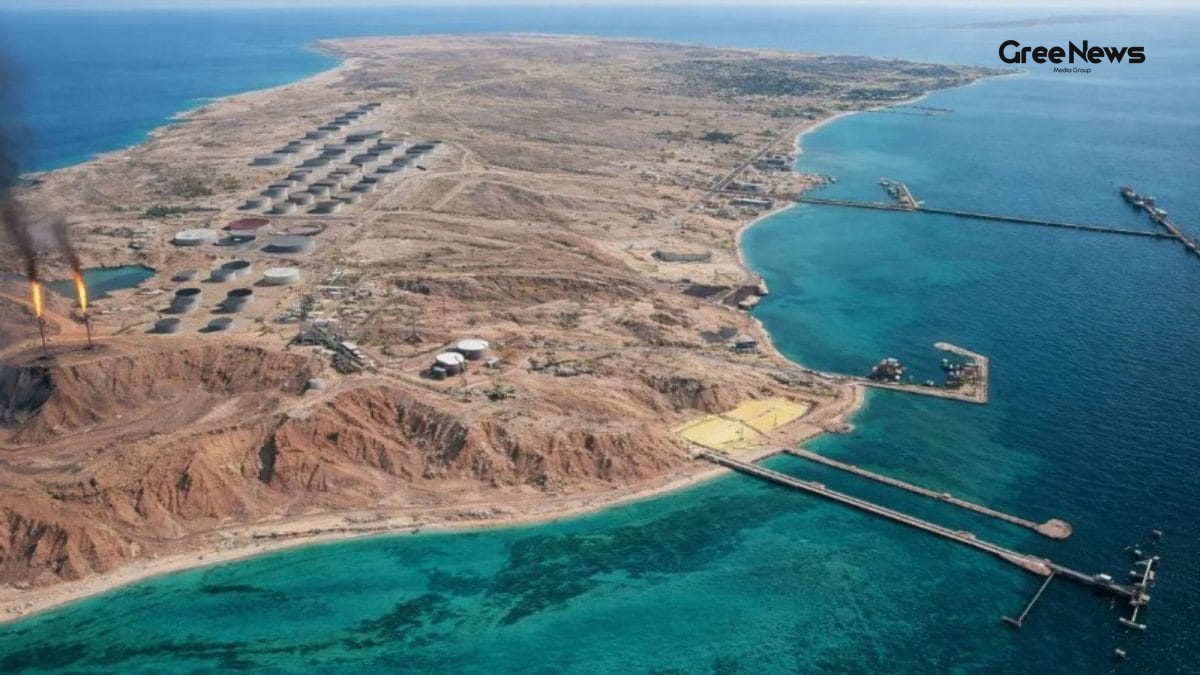
When the United States announced a naval blockade of Iranian ports, the news quickly became breaking news across multiple platforms. I was watching a live feed of the Gulf on TV, and the commentary kept emphasizing how the blockade had completely stopped Iran’s sea trade. Yet, Iranian media whispered that a few ships still managed to move in and out, which made me wonder about the actual effectiveness.
According to Central Command, ten vessels attempted to leave Iranian ports in the first 48 hours and were turned back. The statement read, “Ten vessels have now been turned around and ZERO ships have broken through since the start of the United States blockade.” That kind of statistic is exactly the sort of thing that fuels viral news in our circles a bold claim that seems almost too good to be true.
To put it in perspective, imagine the bustling ports of Mumbai or Chennai suddenly being sealed off the economic shock would be massive. That’s why the Hormuz blockade continues to dominate trending news India, as everyone speculates on the long‑term impact for global oil supplies.
Oil Sanctions A Double‑Edged Sword
On the same day the blockade news made headlines, US Treasury Secretary Scott Bessent announced that the United States will not renew the general license waivers for Russian and Iranian oil. The former waiver expires over the weekend, while the Iranian oil waiver expires this week. Bessent’s words were clear: “We will not be renewing the general license on Russian oil, and we will not be renewing the general license on Iranian oil.”
From a personal standpoint, the decision felt like a strategic nudge pressuring both Moscow and Tehran without resorting to direct military action. But it also meant higher fuel prices for everyday Indians, which is a story that spreads like wildfire on social media platforms.
There’s a certain irony here: while the United States pushes for peace with Iran, it simultaneously tightens the economic noose. It’s a delicate balancing act that keeps analysts and the general public alike glued to each new development truly the kind of story that makes people scroll endlessly for the next update.
Benjamin Netanyahu’s Message Ready for Anything
Switching focus to Israel, Benjamin Netanyahu posted a video message on X, saying the United States and Israel share the same goals regarding Iran. He emphasized that Israel is ready for any scenario if the conflict reignites. The line, “Our objectives with the United States are aligned. We want to see Iran’s enriched material removed, and we want to see the elimination of its enrichment capability inside Iran,” resonated loudly across Irish and Indian forums.
I was surprised by how straightforward Benjamin Netanyahu was about readiness. He didn’t shy away from saying, “If the fighting resumes, we are prepared for any scenario.” It’s the kind of bluntness that makes headlines stick, especially when combined with the promise of reopening the straits, which would be a game‑changer for global shipping.
What struck me most was the alignment between the United Nations‑style diplomatic language and the raw, on‑the‑ground readiness that Benjamin Netanyahu spoke of. It’s a combination that fuels the narrative of a looming showdown, keeping all of us on the edge of our seats.
Hezbollah Dismantling A Push for Sustainable Peace
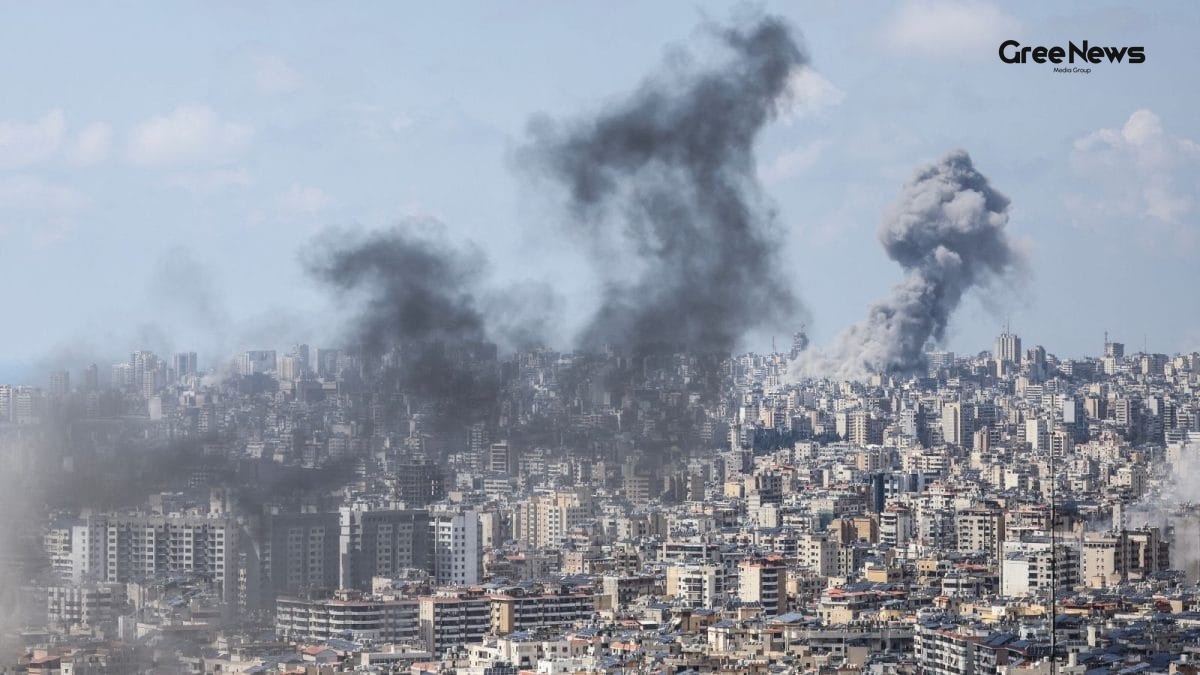
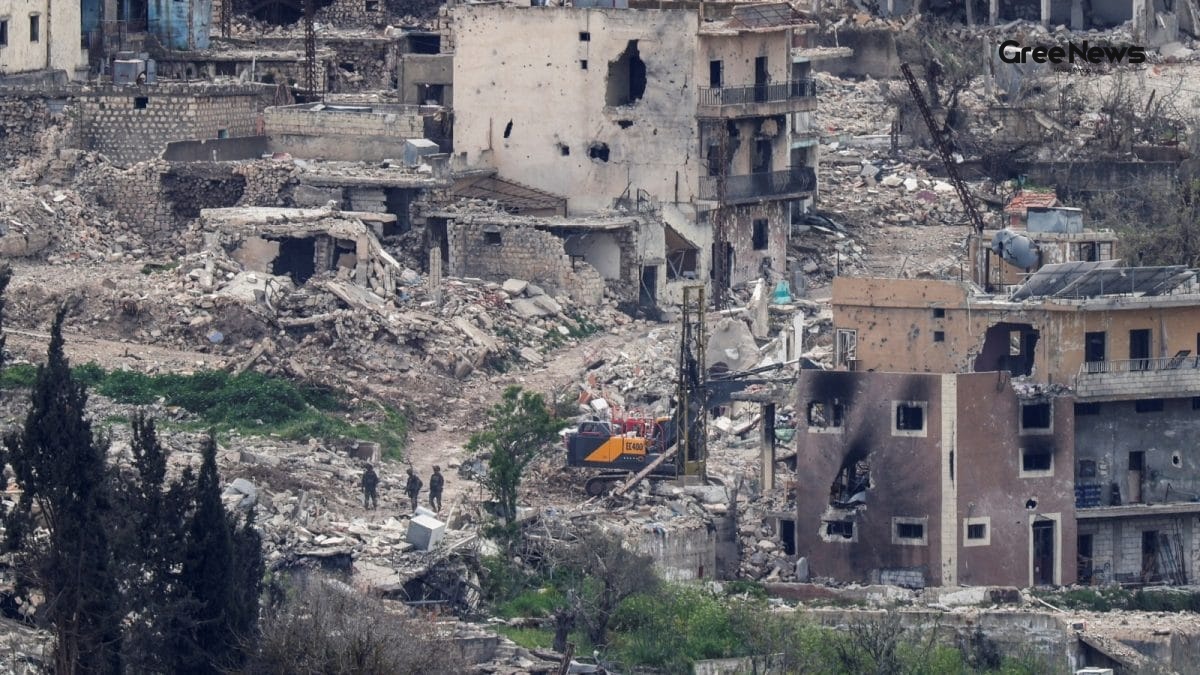
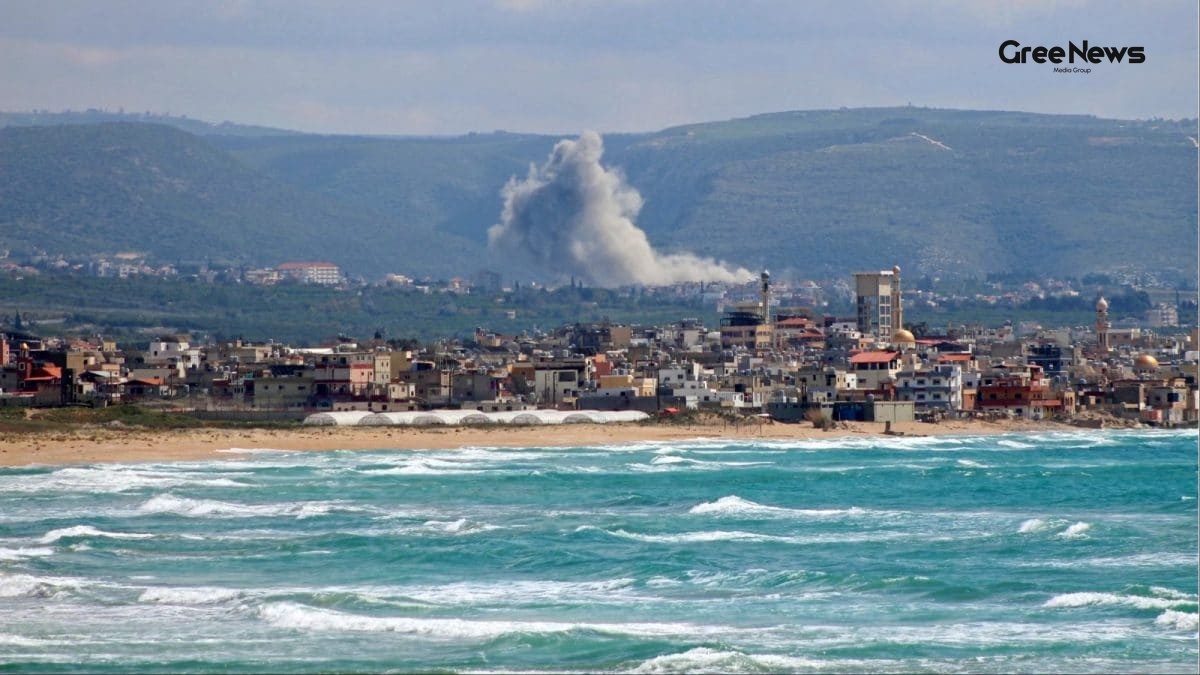
In the same breath, Benjamin Netanyahu also talked about ongoing military operations against Hezbollah in Lebanon. He said the Israeli military is reinforcing the security zone in southern Lebanon while negotiations with Beirut are under way talks that haven’t happened for over four decades. The idea is to push Hezbollah away from the border, aiming for “a sustainable peace through strength”.
When I read about these negotiations, I thought about the last time we saw a real breakthrough in Indo‑Pak talks it felt like a glimmer of hope that something similar could happen in the Middle East. The fact that it’s happening now, after such a long hiatus, is the kind of information that spreads fast as breaking news, especially among diaspora communities.
Benjamin Netanyahu’s insistence on dismantling Hezbollah, coupled with his claim that “countries are coming to us not only Lebanon,” adds an element of diplomatic pressure that can’t be ignored. It also makes the story ripe for the kind of viral news that gets shared across WhatsApp groups in India, where anyone who follows the latest news India will want to know the outcome.
How All These Pieces Fit Together My Reflection
Putting it all together, the picture that emerges is a delicate web of diplomacy, military posturing, and economic sanctions. Donald Trump’s optimism, the United States’ naval blockade, the oil waiver decisions, and Benjamin Netanyahu’s readiness all intertwine to create a scenario that feels both volatile and hopeful. As I sat down with a cup of filter coffee, I realized that each announcement seems to be a move in a larger chess game one where every player tries to stay several steps ahead.
From a layperson’s perspective, the key takeaway is the sheer speed at which these developments become trending news India. Within minutes, a statement from Karoline Leavitt becomes a tweet, that tweet becomes a meme, and the meme fuels discussions in barbershops, college campuses, and family dinner tables across the nation.
Even though the facts remain the same the United States feels hopeful about a deal, the blockade is in effect, oil sanctions are tightening, and Israel is prepared for any escalation the way the story is told shapes public perception. It’s a reminder that the media we consume, the conversations we have, and the keywords we search for like “viral news” or “breaking news” all influence how we understand the world.
What Might Happen Next? Curiosity Hook
What happens after this? That’s the part that keeps me up at night. Will the second round of talks in Pakistan finally seal a peace aGreement? Will the United States lift the blockade if a deal is reached, or will it keep the pressure on as a bargaining chip? Will Benjamin Netanyahu’s call for Hezbollah dismantling lead to real change on the ground, or will it become another headline that fades away?
If you’re following the latest news India, you’ll know that answers are rarely immediate. The geopolitics involved are complex, and each stakeholder has its own agenda. But one thing is clear the world is watching, and India, with its strategic location and economic ties, will feel the aftershocks regardless of the outcome.
Stay tuned, because the next update could be the one that changes everything. Trust me, you won’t want to miss it.