From once‑a‑week insulin to once‑a‑month weight‑loss injections, a new era of convenience is reshaping how doctors treat diabetes and obesity.
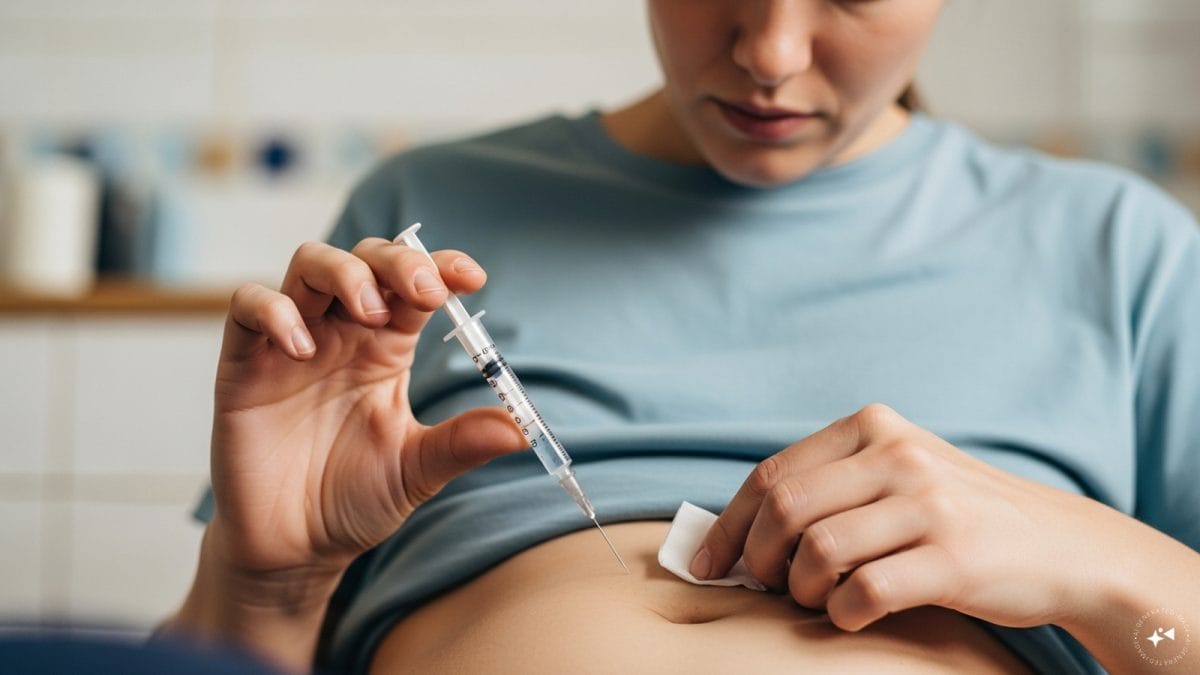
Let me tell you why I got so excited the first time I read about a once‑weekly insulin. I have a close friend, Rajesh, who has been living with type 2 diabetes for over a decade. Every morning he would jab himself before breakfast, then again before dinner, and still another dose at night. The routine was like a relentless alarm clock – one that never stopped ringing. When I heard that the US Food and Drug Administration approved Awiqli, the first‑ever once‑weekly basal insulin, I could almost see Rajesh’s relief before it even happened. The idea of cutting down from 365 injections a year to just 52 sounded like a miracle for anyone who fears needles.
In my own family, my mother’s sister, Lata, recently started insulin therapy after her doctor finally persuaded her that her blood sugars were getting dangerous. Lata is 68 and very shy about using syringes. She keeps saying, "It feels like I am being punished every day." The prospect of a weekly shot could change the whole narrative for her – no more daily dread, just a quick visit to the local pharmacy once a week.
Dr Ambrish Mithal, chairman and head of Endocrinology and Diabetes at Max Healthcare, also weighed in, calling this development "straightforward progress for the right patients." He added, "For people with type 2 diabetes on basal insulin, icodec can replace what they are currently taking. The efficacy is similar." It is comforting to hear two leading experts aGree that the new drug is not just a gimmick but a solid alternative that matches the performance of daily basal insulins.
How does it work?
Basal insulin is what doctors call the "background" insulin – the one that keeps your blood sugar stable when you’re not eating. Until now, patients had to inject it every single day, for life. Awiqli, whose generic name is insulin icodec‑abae, is a long‑acting insulin that packs a whole week’s worth of basal insulin into one tiny shot. You just give yourself the injection once a week and the drug slowly releases insulin into your bloodstream, keeping the levels steady for seven days.
The evidence behind this claim comes from the ONWARDS phase 3 program, which ran five randomised controlled trials enrolling more than 3,700 participants. In those studies, once‑weekly insulin icodec showed a statistically significant reduction in HbA1c compared with standard daily basal insulins. In plain language, it does a good job at lowering the average blood sugar over three months.
One thing that doctors will keep an eye on, however, is the higher incidence of hypoglycaemia that was noted, especially on days two to four after the injection when the insulin level peaks. Dr Ambrish Mithal flagged this, saying, "There may be a slight increase in hypoglycemia (low blood sugar)… it needs to be monitored. But insulin staying longer in the blood is a big relief for a large section of patients." In practice, that means patients might need to be extra cautious the first few days after each weekly dose, maybe checking their sugars a bit more often.
For India, where many people delay insulin because they are scared of needles, the implications could be huge. Dr Anoop Misra noted, "This will be important for India, where fear of insulin injection is widespread. However, cost may be a concern." Indeed, the price tag will decide how quickly this new therapy can reach the streets of Delhi, Bangalore or small towns where most of the diabetic population lives.
Nova Nordisk plans to launch Awiqli in the United States later this year, while India’s regulatory timeline is still under discussion. I hope the Indian authorities act quickly, because the longer we wait, the more people will continue to suffer from injection fatigue and poor control.
The next frontier: Once‑a‑month weight‑loss shots
If weekly insulin feels like a breakthrough, the pipeline for weight‑loss medicines is gearing up for an even bigger leap – monthly injections that could replace the current weekly GLP‑1 shots such as Ozempic and Wegovy. I remember my cousin Sunita, who started a weekly semaglutide injection a few months back. She loved the idea of losing weight without dieting hard, but still found it a hassle to remember the weekly schedule amidst her busy kitchen work.
According to Dr Ambrish Mithal, “The future is very interesting. Leading candidates include Maridebart cafraglutide (MariTide) by Amgen and Pfizer’s PF‑08653944, which have demonstrated significant, sustained weight loss in studies showing up to 17–20 per cent weight loss. These are even more convenient for people to use.” Those percentages sound impressive, especially when you consider that most diets in India only manage a 5‑7 per cent drop.
Both MariTide and Pfizer’s PF‑08653944 are still experimental, but they are moving fast through clinical trials. MariTide, developed by Amgen, is a monthly shot that hits two hormone pathways – it activates GLP‑1 receptors and blocks GIP receptors – giving a double punch against appetite. Pfizer’s PF‑08653944, on the other hand, is an ultra‑long‑acting GLP‑1 that is designed to hold you full for a whole month after a single injection.
Dr Vinus Taneja, consultant in internal medicine at Sir Ganga Ram Hospital, explained that the drug furthest along is Pfizer’s PF‑08653944, currently in a Phase 2b trial called VESPER‑3. The data suggest that after a brief initial weekly titration phase, patients can switch to a monthly dose while still keeping the robust weight‑loss benefits.
Weekly GLP‑1 injections like semaglutide have already been a massive step up from daily diabetes shots, but a monthly dose could be a game‑changer for adherence. Dr Vinus Taneja says, "Patients who can’t keep up with a weekly schedule are less likely to stay on therapy, regain weight, and return to elevated health risk. Monthly dosing addresses that directly." In my own neighbourhood, I see many people who simply forget to take their weekly pills; imagine if they only had to remember a single visit every 30 days!
More potent drugs in the pipeline
Monthly shots are exciting, but they are not the only new weapons on the horizon. Dr Ambrish Mithal points to a third wave of options that could land even sooner. One of these is retatrutide, a triple‑agonist drug that appears to deliver even greater weight loss than the popular Mounjaro. In trials, retatrutide has shown 25 per cent or greater reductions in body weight. Dr Ambrish Mithal said, "Trials are already complete… It could come next year, not very far." If this timeline holds, we may see an even more powerful tool against obesity very soon.
Another avenue being explored is oral GLP‑1 medicines like orforglipron. While the weight‑loss numbers (10–12 per cent) are not as dramatic as the injectable triple‑agonists, they offer an easier, needle‑free option. For needle‑phobics in India, an effective pill could be a real breakthrough. Dr Ambrish Mithal highlighted this, saying, "Development of oral GLP‑1 drugs like orforglipron is going to increase oral options. Weight loss to the tune of 10–12 per cent — not comparable to Mounjaro or retatrutide — but it gives an easier oral option."
Dr Vinus Taneja also noted that these next‑generation agents are showing benefits beyond just weight loss. They may improve fatty liver disease (MASH), reduce obstructive sleep apnoea, and even slow early kidney disease. The idea of a single drug hitting multiple cardiometabolic problems at once is very appealing, especially in a country where patients often have several conditions simultaneously.
The big picture
All these developments together paint a picture that is bigger than just “new drugs”. They signal a shift from daily pills and injections to a paradigm where you may only need a weekly or monthly dose. For a country like India, carrying the world’s largest diabetes burden and an ever‑growing obesity epidemic, this shift matters a lot.
Think of a typical Indian household: a father with type 2 diabetes, a mother dealing with hypertension, a teenager fighting obesity, and a grandparent with kidney concerns. Managing all these conditions with daily shots and pills is a nightmare. If the regimen can be simplified to a weekly insulin and a monthly weight‑loss injection, adherence will naturally improve. Patients will start treatment earlier, doctors will see better glycaemic control, and the long‑term complications that currently strain our healthcare system could be delayed.
Of course, affordability and access will decide how quickly these benefits reach the masses. Many of the newer drugs are still under patent, and their price tags may be high. It will be up to the Indian government, insurance providers, and pharmaceutical companies to negotiate reasonable pricing so that a farmer in Punjab or a shopkeeper in Kolkata can also enjoy the convenience.
In my own life, I’m hopeful. I have started talking to my friends about the possibility of switching to a weekly insulin if it ever becomes available locally. I’ve also begun following the news on monthly weight‑loss shots, because I see how many of my relatives struggle with diet and exercise alone. If these treatments become a reality in the near future, I think we’ll witness a quieter but powerful revolution in how we manage diabetes and obesity in India.