What’s happening at Santiago Bernabeu?
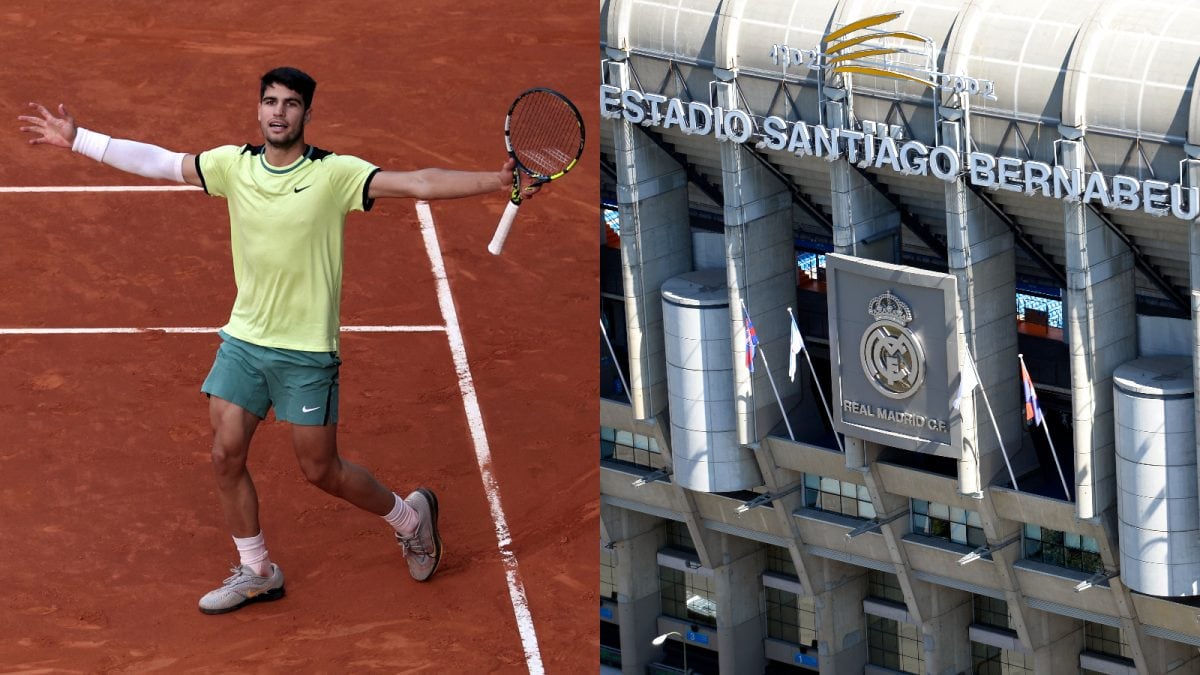
So, I was scrolling through my phone the other day, and I stumbled upon a piece of news that sounded straight out of a movie. The Santiago Bernabeu – you know, the massive football stadium where Real Madrid play their home games – is going to host clay tennis courts for a few days. It’s not for an actual match, just for training, but still, imagine the sight of tennis players walking on the pitch that usually sees the likes of Benzema and Modrić.
According to the Spanish sports portal Punto de Break, in the last week of April, parts of the Santiago Bernabeu will be temporarily turned into clay courts. The plan is for the Mutua Madrid Open players to use this space as a quiet practice hub, just a stone’s throw away from their hotels. It feels like a clever way to make use of the stadium during a lull in the football calendar.
Why the stadium is free right now
Real Madrid has a busy schedule, but after a string of three away games – facing Real Betis, Espanyol and FC Barcelona – the team will be back home for a brief period. The last match before the break is against Deportivo Alaves, which takes place in mid‑April. Once that fixture is over, the Santiago Bernabeu will sit idle for a few days.
Instead of letting the massive arena sit empty, the management decided to think outside the box. The idea is simple but smart: turn the idle stadium into a high‑performance training zone for elite tennis players. It’s a win‑win – the stadium stays active, and the tennis pros get a premium practice surface away from the crowds.
The main action stays at Caja Magica
Now, before you get too excited and start planning a trip to watch a match inside the Santiago Bernabeu, let me set the record straight. The Mutua Madrid Open’s official matches will continue at the Caja Magica – that’s where the ATP and WTA games happen over a two‑week stretch in late April and early May.
The clay courts inside the Santiago Bernabeu are strictly for practice. That means players can enjoy a more private setting, away from the hustle and bustle of the busy practice courts at Caja Magica. For a tennis player, having a quiet corner to focus on their strokes without the constant footfall of spectators can be a real game‑changer.
From what I gathered, the organisers expect the training sessions to be well‑organized, with proper lighting and the usual amenities the players are used to. The only thing that might feel a tad different is the echo of the massive football crowd that usually fills the stadium – but that’s just background noise while you’re hitting forehands on clay.
A stadium reborn – more than just a gimmick
The Santiago Bernabeu recently went through a multi‑million euro renovation. It’s now being marketed as a multi‑purpose venue, capable of hosting everything from NFL games to large scale cultural events. Of course, concerts are still a tricky affair because of the city’s strict noise regulations, but the flexibility the stadium now enjoys is evident.
Turning the Santiago Bernabeu into a temporary tennis complex fits right into that new vision. It’s not just a publicity stunt; it’s a smart commercial move. By offering the space to the Mutua Madrid Open, the stadium management creates an additional revenue stream and keeps the venue alive throughout the year.
Speaking from personal experience, I’ve seen similar transformations in India – think of how cricket grounds in smaller towns are sometimes turned into venues for Kabaddi tournaments during off‑season. It always feels like a fresh breath of air, and the same vibe seems to be happening here.
What this means for the players
For the tennis pros, practising on a brand‑new clay surface inside a world‑famous football stadium could be both motivating and a little daunting. The surface will be meticulously prepared to match the standards of the Caja Magica courts, ensuring that the ball bounce and footing are consistent with what they’ll face during the tournament.
Moreover, the proximity to their hotels means less travel time, which in turn can help them rest better and focus more on fine‑tuning their game. Imagine stepping out of a comfortable hotel room, taking a short cab ride, and walking straight onto the clay courts of the Santiago Bernabeu – it’s a unique experience that could lift the morale of any player.
From a practical standpoint, the quieter environment may also allow for more personalized coaching sessions. With fewer distractions, coaches can work on specific technical aspects, whether it’s improving the topspin on a forehand or perfecting the serve‑and‑volley transition.
How the transformation will be done
Setting up a clay court inside a football stadium is no small feat. The organizers will need to lay down a stable base, add the usual layers of stone dust, and finally top it off with the fine clay that gives the surface its characteristic feel.
From what Punto de Break mentions, the conversion will involve temporary structures that can be assembled and dismantled quickly, ensuring that the stadium can return to its football configuration without any long‑term damage. The whole process is scheduled to happen within a few days, making the most of the window when Real Madrid’s schedule is light.
In India, we often see temporary courts being set up for big festivals, and the key is always the quality of the surface. I trust the same level of expertise will be applied here, especially with the high stakes involved in preparing players for a prestigious event like the Mutua Madrid Open.
Potential challenges and how they’re being tackled
One might wonder about the logistics of turning a football pitch into a clay court – drainage, surface stability, and the sheer weight of the equipment can pose challenges. However, the stadium’s recent renovation included upgrades to the underlying infrastructure, which should help manage any water‑related issues and support temporary setups.
Another point of concern is the noise level. While the stadium is designed to handle loud football chants, the local regulations limit concerts because of noise. Practise sessions for tennis are generally more subdued, so there shouldn’t be a clash with the city’s noise norms.
Lastly, the schedule coordination between the football team and the tennis organisers needs tight communication. Since Real Madrid’s matches are set before and after the training window, the overlap is minimal, reducing the risk of any clash.
What this says about the future of multi‑purpose venues
Seeing Santiago Bernabeu become a temporary clay court hub signals a broader trend. Stadiums around the world are being re‑imagined as flexible spaces that can host a variety of sports and events. In India, we have seen cricket grounds host football and even cultural shows, but the scale here is massive.
This kind of adaptability is crucial for maximizing the utilization of expensive infrastructure. If a venue can switch from football to tennis with relative ease, it’s more likely to stay financially viable throughout the year.
For fans, it offers a fresh perspective. Imagine being a football fan and getting a chance to watch top‑class tennis players practise right where your favourite team scores goals – that’s a unique crossover experience that can broaden the audience for both sports.
Closing thoughts
All in all, the temporary clay courts inside Santiago Bernabeu are a fascinating blend of sport, business, and ingenuity. It gives the Mutua Madrid Open players a quiet, high‑quality practice venue while keeping the iconic stadium buzzing with activity during its idle days.
For someone like me, who loves both football and tennis, it feels like a dream come true – a place where legends of both games can share the same ground, even if just for a few days. I’ll be keeping an eye on the news to see how the setup turns out and maybe catch a glimpse of a player’s sleek forehand gliding over the newly laid clay.
Who knows, maybe next season we’ll see even more creative uses of such historic venues. Until then, I’ll be cheering for Real Madrid’s next match and hoping the tennis stars enjoy their unique training base at the Santiago Bernabeu.