How I Heard About the Break‑Up
Honestly, I was sipping my morning chai at a roadside stall in Kolkata when my friend, who follows politics for fun, started talking about a big shake‑up in the state’s election scene. He told me that All India Majlis-e-Ittehadul Muslimeen (AIMIM) had just cut ties with Humayun Kabir’s party. At first I thought he was just kidding, but then he showed me a screenshot of AIMIM’s tweet. The post was blunt – they said they could not stay linked to any statement that questioned the integrity of Muslims. It felt like watching a drama unfold on a small TV screen right there on the street, only the actors were real political parties.
What All India Majlis-e-Ittehadul Muslimeen (AIMIM) Wants in West Bengal
All India Majlis-e-Ittehadul Muslimeen (AIMIM) has been trying to carve a space for itself in West Bengal for a while now. In my neighbourhood, you see a lot of posters with the AIMIM logo plastered on walls near the bus stand, and the party’s workers often gather at tea stalls to discuss how they can give a voice to people who feel left out. The idea, as I understand it, is to make sure the marginalised sections, especially the Muslim community, have a platform that isn’t diluted by big‑party compromises. So when the alliance with Humayun Kabir’s party was announced earlier, many of us thought it might finally bring some development projects to under‑served pockets of Murshidabad and other districts.
The Alliance With Humayun Kabir’s Party – What Was It Supposed To Do?
Humayun Kabir’s party, which later called itself the Aam Janata Unnayan Party, was seen as a regional outfit that could complement All India Majlis-e-Ittehadul Muslimeen (AIMIM)’s ambitions. You know how in Indian elections we often see alliances formed not just on ideology but on the hope of sharing vote banks? That was the logic here – All India Majlis-e-Ittehadul Muslimeen (AIMIM) hoped to tap into Humayun Kabir’s local influence, especially after he had a stint with the All India Trinamool Congress. The idea was that together they could push for better infrastructure, schools, and health centres in areas where the government’s presence feels thin.
The Controversy That Sparked the Split
Things took a turn when statements allegedly made by Humayun Kabir surfaced. According to All India Majlis-e-Ittehadul Muslimeen (AIMIM), the remarks hinted at questioning the honesty or loyalty of Bengal’s Muslim population. In the streets, people were talking about it over roadside pakoras – many felt it was a betrayal because the community already feels sidelined. All India Majlis-e-Ittehadul Muslimeen (AIMIM) said these remarks raised “serious concerns about the integrity of Muslims” and that they could not stay allied with a party that seemed to undermine that very community.
AIMIM’s Official Response – The Tweet That Made Headlines
All India Majlis-e-Ittehadul Muslimeen (AIMIM) posted a very direct statement on its official Twitter handle. The post read, “Humayun Kabir’s revelations have shown how vulnerable Bengal’s Muslims are. That All India Majlis-e-Ittehadul Muslimeen (AIMIM) cannot associate with any statements where integrity of Muslims is brought into question. As of today, All India Majlis-e-Ittehadul Muslimeen (AIMIM) has withdrawn its alliance with Kabir’s party. Bengal’s Muslims are one of the poorest, neglected and oppressed communities. Despite decades of secular rule, nothing has been done for them.” It was a strong message, and it felt like watching a teacher firmly telling a misbehaving student to step back.
Going Solo – Why All India Majlis-e-Ittehadul Muslimeen (AIMIM) Decided to Contest Alone
After the fallout, All India Majlis-e-Ittehadul Muslimeen (AIMIM) announced it would contest the upcoming assembly poll independently. In my view, this move is both a strategic and symbolic one. Strategically, it avoids any future missteps that could arise from another partner’s controversial statements. Symbolically, it reinforces All India Majlis-e-Ittehadul Muslimeen (AIMIM)’s core belief that the marginalized should have a direct, unhindered voice in the legislature. The party’s leaders keep telling us that they want to be the “independent political voice” for those who feel ignored by the big players.
The Ongoing Plight of Bengal’s Muslim Community – All India Majlis-e-Ittehadul Muslimeen (AIMIM)’s View
All India Majlis-e-Ittehadul Muslimeen (AIMIM) has repeatedly pointed out that, even after years of so‑called secular governance by the All India Trinamool Congress and earlier regimes, the Muslim community in Bengal remains among the poorest. When I walk through some villages in North 24 Parganas, I still see many homes without proper electricity or clean water supply. All India Majlis-e-Ittehadul Muslimeen (AIMIM)’s narrative is that these conditions persist because the community has not been given a real political platform to demand change. Their stance is that only by contesting elections on their own can they push for the kind of development that actually reaches the ground level.
Humayun Kabir’s Journey – From TMC to Aam Janata Unnayan Party
Humayun Kabir was once a member of the All India Trinamool Congress (All India Trinamool Congress). He got expelled after a controversy involving a proposal about the Babri Masjid in Murshidabad. The episode created quite a buzz – people were arguing in tea houses about whether the proposal was sincere or merely a political stunt. After his exit, Humayun Kabir founded the Aam Janata Unnayan Party. The new party aimed to position itself as a grassroots movement for the common man, but the recent remarks that led All India Majlis-e-Ittehadul Muslimeen (AIMIM) to break ties suggest that the party’s messaging may still be a cause of contention among the Muslim electorate.
Election Mechanics – What’s Coming Up?
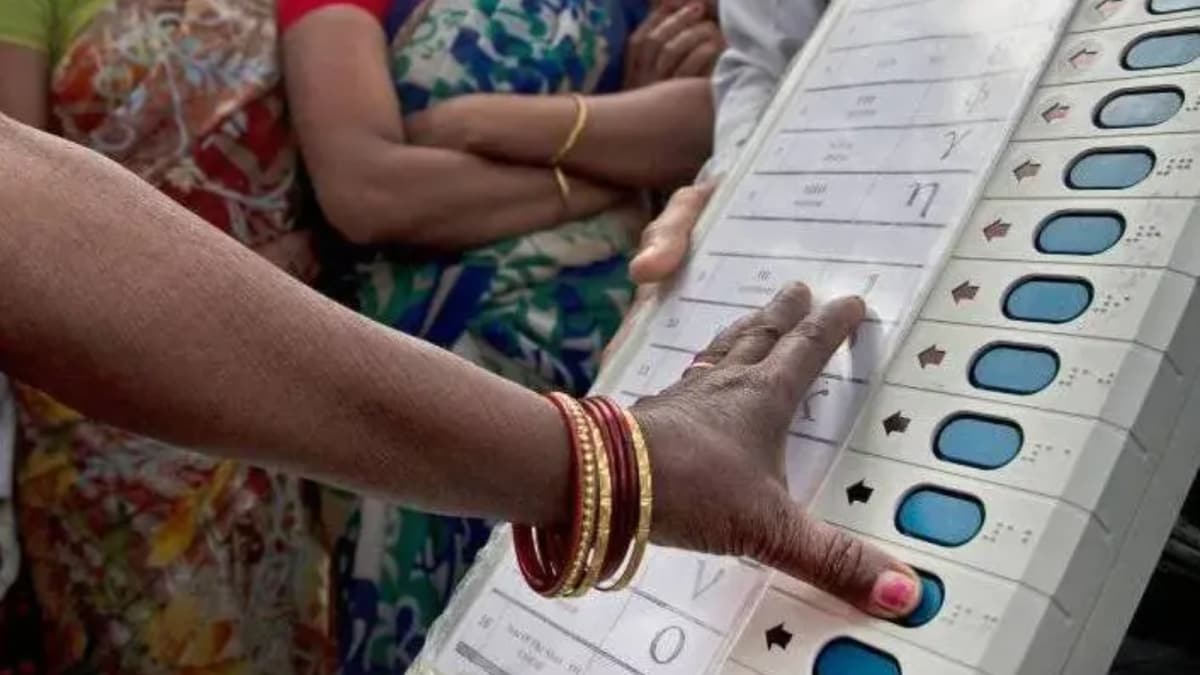
The West Bengal Legislative Assembly has 294 seats. The election will be conducted in two phases, and after the voting concludes, the counting will happen a few days later. While I don’t have the exact dates memorised, the gist is that the process will stretch over a couple of weeks, giving both parties and voters time to adjust strategies after each phase. For many of us waiting at the polling booths, the usual excitement is mixed with a bit of anxiety because each phase can shift the momentum for parties like All India Majlis-e-Ittehadul Muslimeen (AIMIM) that are contesting alone.
Street‑Level Reactions – How People Are Taking It All In
On the streets of Kolkata and Siliguri, you can hear a lot of chatter about the split. Some folks feel relieved that All India Majlis-e-Ittehadul Muslimeen (AIMIM) is standing firm on principle, while others think the loss of an alliance might reduce their chances of winning any seats at all. I remember a vendor near New Market saying, “If All India Majlis-e-Ittehadul Muslimeen (AIMIM) can keep its promise, maybe we’ll finally see some improvement in our market infrastructure.” It’s a typical Indian mix of hope and skepticism – we want change, but we’re also wary of promises that never materialise.
Why This Matters – A Broader Perspective
Beyond West Bengal, the split between All India Majlis-e-Ittehadul Muslimeen (AIMIM) and Humayun Kabir’s party signals a broader trend in Indian politics: parties that claim to represent minorities are increasingly careful about who they rub shoulders with. The fear is that any perceived slight against a community’s dignity can become a political liability. In a country where communal sentiments can swing elections, All India Majlis-e-Ittehadul Muslimeen (AIMIM)’s decision to go solo may inspire other regional outfits to rethink their coalition strategies.
Personal Takeaway – What I Learned From This Whole Episode
For me, watching All India Majlis-e-Ittehadul Muslimeen (AIMIM) walk away from the alliance was a reminder that politics, especially at the state level, is not just about numbers but also about narratives. The narrative that All India Majlis-e-Ittehadul Muslimeen (AIMIM) wants to protect the integrity of Muslims struck a chord because it reflects a genuine fear among many that their community’s concerns are constantly brushed aside. It also made me ponder how many other parties might be silently dealing with similar dilemmas, choosing between pragmatic alliances and staying true to a core principle.
Looking Ahead – What Could the Future Hold?
As the two‑phase voting approaches, the political atmosphere is heating up. All India Majlis-e-Ittehadul Muslimeen (AIMIM) will be fielding candidates in several constituencies without the backing of Humayun Kabir’s party. Whether this bold move will translate into seats remains to be seen. I suspect the outcome will depend heavily on how well All India Majlis-e-Ittehadul Muslimeen (AIMIM) can mobilise its grassroots network and whether voters trust their promise of an independent voice. For now, we’ll just have to wait and watch the results roll in, and hope that the promises made on the streets eventually become actions that benefit the people who need them most.