Iran’s First Vice President Mohammad Reza Aref’s bold warning
So, I was watching the news the other day, and there it was – Mohammad Reza Aref, Iran’s First Vice President, posting a brisk message on X. He basically said that if the United States comes to the table with an “America First” mindset, there’s a chance we could see a deal that benefits both sides and, frankly, the whole world. But the moment the US tries to push an “Israel First” agenda, Aref warned, “there will be no deal; we will inevitably continue our defence even more vigorously than before, and the world will face greater costs.” It sounded like a straight‑up ultimatum, but also like a genuine attempt to set the rules of engagement before the Islamabad talks even get under way.
What struck me was how directly Aref put the ball in the US court. He didn’t bother with vague diplomatic phrasing; he said what he meant, plain and simple. It reminded me of those neighbourhood squabbles in our colonies where the older brother tells the younger one, "Listen, if you want a fair game, play by the same rules, otherwise you’re on your own." In this case, the ‘game’ is a peace process that could spare millions from more suffering.
Background: How the conflict erupted
To understand why Aref is being so firm, we need to rewind a bit. The war kicked off on 28 February when the United States and Israel launched a synchronized strike on several Iranian installations. The operation targeted what they described as nuclear‑related facilities and, according to the Iranian narrative, also aimed to cripple Tehran’s command structures. The strikes killed a slew of senior officials, including the highest‑ranking religious authority, Supreme Leader Ayatollah Ali Khamenei. It was a shock for many of us back home, because you don’t hear about a Supreme Leader being taken out in a single raid – it’s almost movie‑like, but with real consequences.
Following the attacks, oil prices shot up, flights were redirected, and the entire Gulf region felt the tremor. It was not just a military clash; it was an economic and humanitarian ripple. President Donald Trump, who was still in office at the time, announced a two‑week pause in the fighting, but that was more of a tactical pause than a meaningful cease‑fire. The pause gave the world a brief breather, but the underlying tensions remained unresolved, and soon the conflict spread beyond the borders of Iran and Israel.
Why Islamabad became the chosen venue
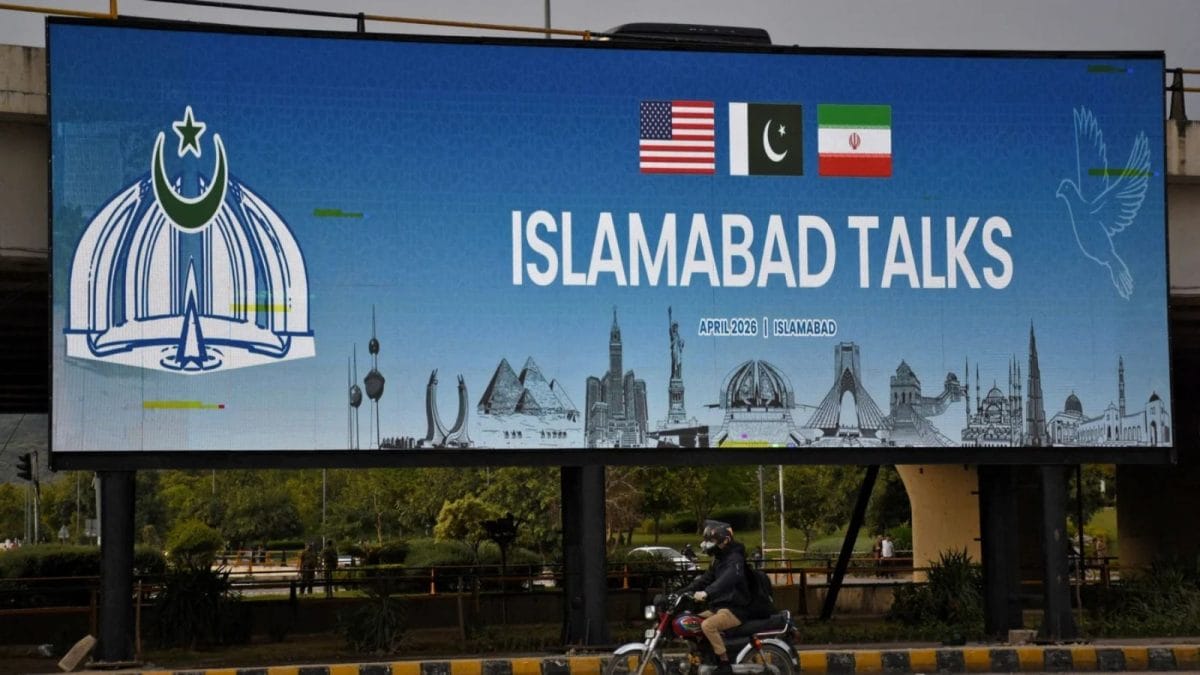
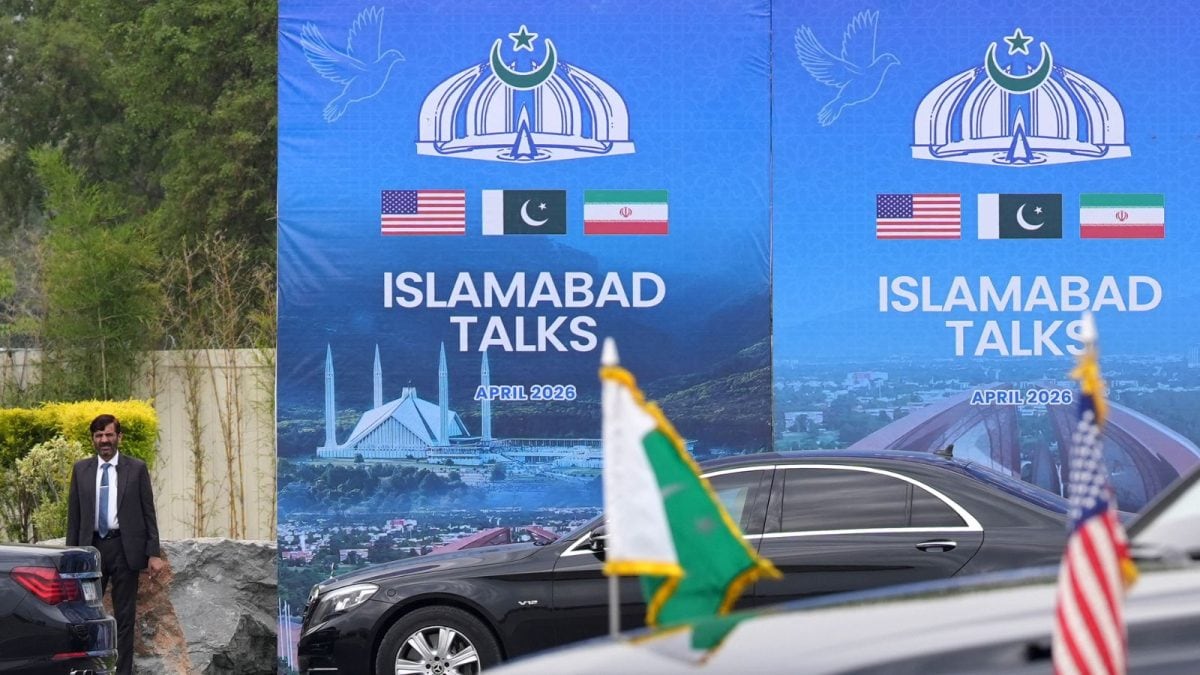
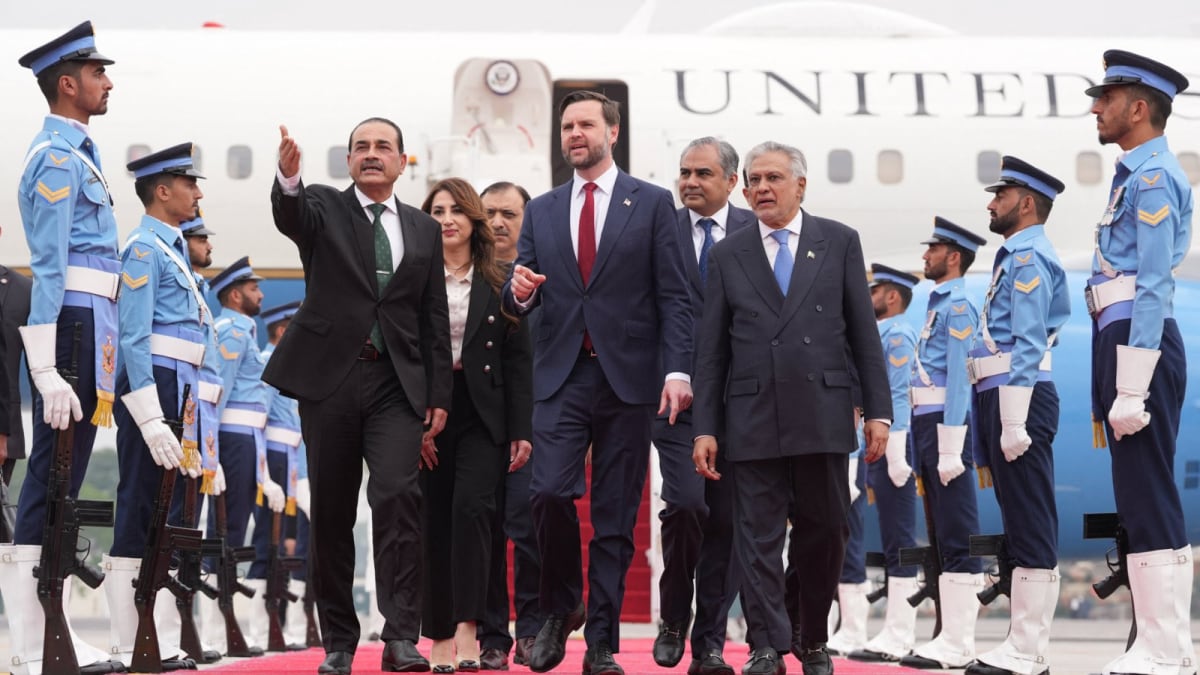
Now, why Islamabad? Pakistan has long tried to position itself as a neutral ground for diplomatic talks in South Asia. The country’s capital, with its sprawling hotels and discreet conference rooms, offers a comparatively safe environment away from the immediate flashpoints. Pakistani officials, including Army Chief Asim Munir, Interior Minister Mohsin Naqvi, and Foreign Minister Ishaq Dar, have been actively involved in shaping the agenda. The idea is to keep the two sides in separate rooms – a classic “indirect talks” format that prevents any direct confrontation while still allowing back‑channel communication.
What’s interesting for an Indian observer is how Pakistan is handling the logistics. You know how in our own cities, traffic can turn a short journey into an epic saga? Well, the Pakistani authorities have arranged special convoys, security perimeters, and even designated helipads for the delegations. It’s a massive undertaking that shows how seriously they take their role as mediators.
Who’s coming to the table?
On the Iranian side, the delegation is led by Mohammad‑Bagher Ghalibaf, a veteran politician who once served as the mayor of Tehran. He’s accompanied by senior military and diplomatic officials, all ready to present Tehran’s demands. Their presence signals that Iran is not taking the talks lightly; they are bringing a full‑fledged team, not just a token envoy.
Representing the United States is Vice President JD Vance. He’s not alone – the entourage includes Jared Kushner, the son‑in‑law of former President Donald Trump, and U.S. special envoy Steve Witkoff. The mix of political, strategic, and diplomatic players shows the US is also treating this as a high‑stakes negotiation. Both sides have clearly been instructed to come with a clear message, which brings us back to Aref’s warning.
Key sticking points: Lebanon, nuclear ambitions, and regional security
One of the biggest flashpoints is Lebanon. Iran insists that any cease‑fire must also halt Israeli strikes inside Lebanese territory. The United States, together with Israel, has been reluctant to include Lebanon in the aGreement, arguing that it would complicate the peace process and potentially expand the conflict’s scope. This is a classic example of how a regional issue can become a bargaining chip in a bilateral negotiation.
Then there’s the nuclear question. The US wants Iran to give up its stockpile of highly enriched uranium – material that could, in theory, be turned into nuclear weapons. Iran, on the other hand, maintains that its nuclear programme is for peaceful purposes only. President Donald Trump, before stepping down, claimed that the US would work with Iran to remove that uranium. However, Tehran has not confirmed any such arrangement, keeping the waters murky.
These issues are not just abstract policy points; they affect everyday lives. In the border towns of Iran, people have reported seeing bright flashes in the sky, hearing the distant rumble of artillery, and coping with power cuts that could last for hours. In Israel and Lebanon, civilian areas have also faced disruptions, showing that the conflict’s tentacles reach far beyond the battlefield.
Human cost: The tragedy behind the numbers
While the media often throws around figures, it’s easy to forget what those numbers actually represent. A senior Iranian officer told state‑run media that more than 3,000 people have been killed. That’s not just a statistic – it’s families torn apart, children growing up without parents, and a generation that will bear the psychological scars of war. The Iranian government has not released an official death toll, perhaps because they want to control the narrative, but the ground reality is devastating.
I remember a friend from Tehran who told me about queues at the hospital that stretched for kilometres, where people waited hours for basic medical attention. In cities like Mashhad and Isfahan, hospitals are overwhelmed, and medical supplies are dwindling. It’s similar to what we see in India during natural disasters – the system gets stretched, and the most vulnerable suffer the most.
What Aref’s statement means for the upcoming talks
When Aref posted his thoughts on X, many analysts thought he was just adding to the noise. But the wording – “America First” versus “Israel First” – hints at a deeper strategic calculation. He’s essentially telling Washington that any negotiation that appears to favour Israel’s interests will be rejected outright. In my view, that’s a way of forcing the US to consider a more balanced approach, perhaps even to back‑track on some of its more hard‑line demands.
For the US side, JD Vance now faces a diplomatic puzzle. He must convey to his team that Tehran expects a neutral stance, yet the US political leadership back home is still heavily influenced by pro‑Israel lobbies. It’s a classic case of having to walk a tightrope while the world watches.
In most cases, the success of such talks depends not just on the official statements, but on the willingness of lower‑level negotiators to find common ground. That’s why Pakistan’s role as a facilitator is crucial – they can help keep the conversation moving, even if the senior leaders are locked in their public posturing.
Regional implications: What neighbours are watching
Beyond Iran and the US, other regional players are keenly watching the outcome. Saudi Arabia, for instance, has its own rivalry with Iran and is concerned about any deal that might weaken its influence in the Gulf. Qatar and the United Arab Emirates are also watching, as any shift in the balance of power could affect their own security calculations.
In India, we’ve been following the story closely because any significant change in West Asian dynamics can impact our oil imports and the safety of Indian diaspora in the region. A prolonged conflict often means higher oil prices, which eventually end up in the price of petrol at our fuel stations.
Possible scenarios after Islamabad
There are a few possible ways things could play out. If both sides manage to aGree on a “America First” framework, we might see a limited cease‑fire, the removal of some of Iran’s enriched uranium, and perhaps a roadmap for addressing the Lebanon issue. That would at least halt the bloodshed for a while, giving humanitarian agencies a chance to reach the affected populations.
On the other hand, if the talks break down because the US is perceived as pushing an “Israel First” agenda, the conflict could intensify. Iran has already hinted that it would ramp up its defence even more vigorously. That could lead to a broader regional escalation, drawing in other powers and making any peace effort even harder.
A third, less talked‑about scenario is a stalemate – a situation where both sides aGree to continue negotiations without any immediate cease‑fire. In that case, the fighting continues, but there are back‑channel communications that might eventually lead to a breakthrough. It’s not the most comforting picture, but it’s something we have seen in other conflicts around the world.
Personal reflections and the way forward
Honestly, watching these developments, I can’t help but think of the small towns back in our villages where people gather at the chai stall and discuss the news of wars far away. Most of us never meet diplomats or senior officials, yet the decisions they make affect our daily lives – from the price of wheat to the safety of our relatives working abroad.
My hope is that the Islamabad talks, despite their complexity, lead to a genuine reduction in hostilities. If the US can show a willingness to listen to Iran’s concerns without automatically aligning with Israel, perhaps a middle ground can be found. And if Iran can demonstrate that it is truly committed to a peaceful nuclear programme, it might open doors for further economic cooperation, which would be a boon for both sides.
Until then, the best we can do is stay informed, support humanitarian efforts, and keep hoping that the leaders choose dialogue over destruction. As they say, peace is a fragile flower – it needs careful tending, and one harsh breeze can wilt it. Let’s hope the breeze blowing from Islamabad is a gentle one.