Seeing the Chaos on Bajrang Setu: My First Reaction
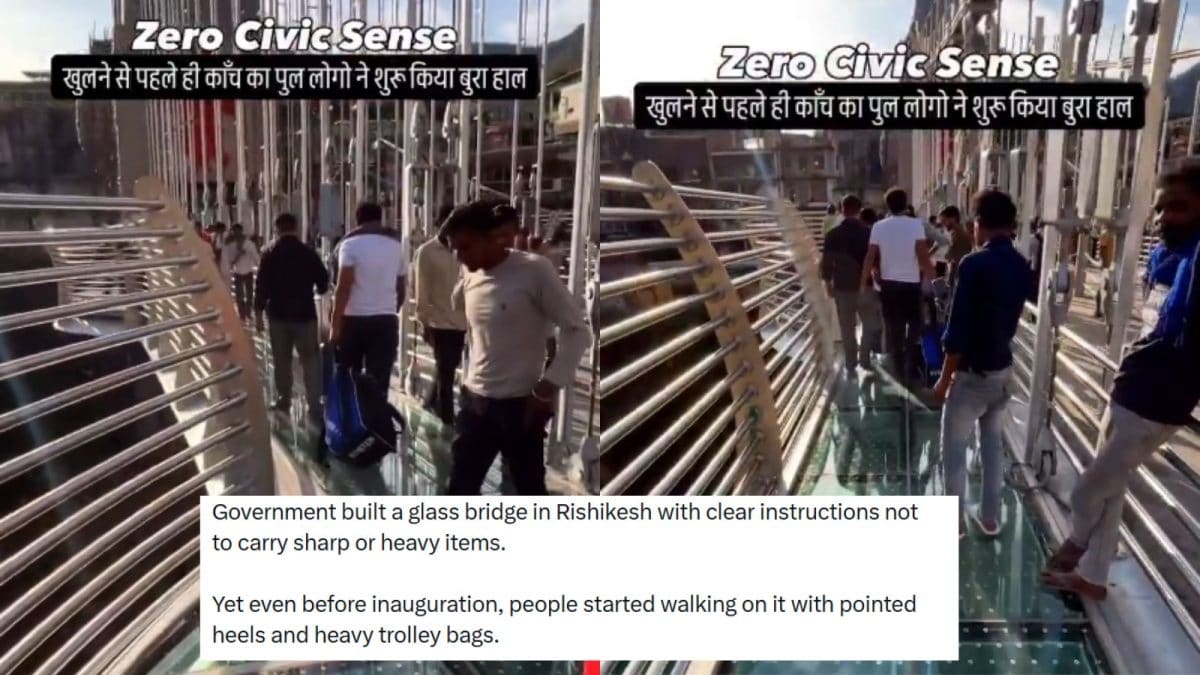
When I first stumbled upon the video of Bajrang Setu, India's inaugural glass‑floor suspension bridge, I felt a mix of awe and unease. The glass deck, hanging over the Ganges, looked stunning – the kind of place you would expect tourists to move slowly, savor the view, and respect the fragile floor. Instead, the footage showed people dragging bulky trolley bags, some women in stiletto heels, and a crowd that seemed oblivious to any posted signs. It was as if the bridge had become a runway for reckless selfies rather than a carefully engineered marvel.
What struck me most was that the video wasn't a distant news report; it was a personal vlog uploaded by Deepak Chaturvedi. Deepak Chaturvedi started the clip by panning across the beautiful surroundings of Rishikesh, pointing out how the structure blended with the hills and the river below. Then Deepak Chaturvedi switched tone, highlighting what seemed like obvious negligence. I could hear a hint of frustration in Deepak Chaturvedi’s voice, a feeling I share as an everyday traveller who respects public spaces.
What Deepak Chaturvedi Actually Showed on the Bridge
Deepak Chaturvedi’s video opened with a serene shot of the bridge, the glass gleaming under the sun. The camera lingered on the railings and the view of the river. But within seconds, the tone changed. I saw a younger couple pulling a heavy trolley bag across Bajrang Setu, the wheels squeaking on the glass surface. Deepak Chaturvedi paused and pointed out that such weight could stress the panels, which are designed for pedestrian footfall, not the burden of rolling luggage.
Another segment featured a group of women strutting in high heels, the kind of pointed shoes you usually see at a wedding or a soirée. Deepak Chaturvedi noted that the heel tips could easily scratch or leave permanent marks on the glass. In most places, there are clear signs asking visitors to remove shoes with hard soles, but the video made it clear those signs were either ignored or not visible enough.
Deepak Chaturvedi also captured a few people posing for pictures, arms outstretched, as if the glass were just another backdrop for Instagram reels. The constant movement, the occasional jumping, the dragging of bags – all these actions, according to Deepak Chaturvedi, could increase the risk of accidental damage or, worse, a slip that might lead to an injury.
The Commentary That Followed on X
After the video circulated, it quickly found a new home on X, where a user posted the clip with a scathing caption: “Government built a glass bridge in Rishikesh with clear instructions not to carry sharp or heavy items. Yet even before inauguration, people started walking on it with pointed heels and heavy trolley bags. In a country of 1.6 billion, are such delicate, first‑world style structures even practical? Why not build simple bridges people can actually use? Then again, even normal bridges collapse here within days. Anyway, just look at this behaviour.” The post sparked a lively debate.
Many commented that the problem lay not in the design of Bajrang Setu but in the lack of enforcement. Some suggested that an entry fee could act as a deterrent, the logic being that when people pay, they tend to respect the rules more. Others argued that simply placing more watchmen on either side would help keep a check on the careless handling of bags and footwear.
One user wrote, “Who thought this would be a good idea in a country like India?” while another replied, “Can’t blame people for bad product or bad management. There is something called regulation which government has to ensure and enforce. That’s basic. First‑timers may not know what is harmful. There must have been someone to regulate people.” These comments reflect a common sentiment that, without proper supervision, even well‑intended projects can become a mess.
Even a voice of reason chimed in: “Not every problem is bad design. Sometimes it is people refusing to follow the simplest rules.” This view reminded me of the many times I have seen local parks in my city littered with plastic bottles because a single sign isn’t enough to change habits.
Why Bajrang Setu Matters to Us
Beyond the drama, Bajrang Setu represents something bigger for Rishikesh and for Uttarakhand’s tourism push. The state has been trying to attract more visitors beyond the traditional yoga retreats and river rafting. A glass‑floor bridge offers a unique photo‑op and can boost local economy if managed well. But that potential can be quickly undermined if visitors treat it like any ordinary pathway.
From my own travels, I have seen how a single misstep can damage a costly structure. A few years back, a similar glass bridge in another hill station was closed for weeks after a group of tourists left sandbags on it, causing cracks. The repair bill was huge, and the local authorities lost credibility. I can imagine the same fate awaiting Bajrang Setu if we don’t act now.
What also worries me is that Bajrang Setu is not fully opened yet. This means that the authorities are still fine‑tuning safety protocols, yet the crowd is already experimenting with it. It’s a classic case of “the road is open before the signs are signed.”
My Personal Take: What Should Be Done?
Honestly, I think a few simple steps could make a big difference. First, clear signage in both English and Hindi, placed at eye level, reminding people not to bring heavy bags or wear pointed shoes, would help. Second, a few uniformed attendants at the entry and exit points could politely ask tourists to check their luggage or switch to flat shoes.
Third, a modest entry fee could be introduced, with the revenue earmarked for maintenance. In my hometown, a tiny fee at historic temples has kept the places spotless because the money is used for cleaning staff.
Lastly, a social media campaign that celebrates responsible tourism could turn the narrative around. If influencers like Deepak Chaturvedi highlight not just the beauty but also the do’s and don’ts, tourists may feel more accountable.
Until such measures are in place, my personal advice to anyone planning a visit to Bajrang Setu is simple: walk gently, leave heavy baggage behind, and maybe swap your heels for flats. Respect the glass, respect the effort that built it, and you’ll get a safe, unforgettable experience.
Conclusion: A Lesson in Civic Responsibility
The uproar over Bajrang Setu isn’t just about one bridge; it’s a reminder that public amenities thrive only when citizens treat them with care. The video by Deepak Chaturvedi opened my eyes to a problem that could affect many new projects across the country. It shows that even a beautifully designed structure can become a hazard if people ignore basic guidelines.
In the end, the responsibility rests on both the authorities to enforce rules and on each of us to think twice before we drag our trolley bags across a glass floor. If we can learn from this incident, perhaps the next generation of bridges and tourist spots will stand the test of time, not just in steel and glass, but in the collective respect of the people who use them.