Border Skirmish Escalates: Six Pakistani Troops Fallen as Afghan Taliban Claim Outpost Seizure
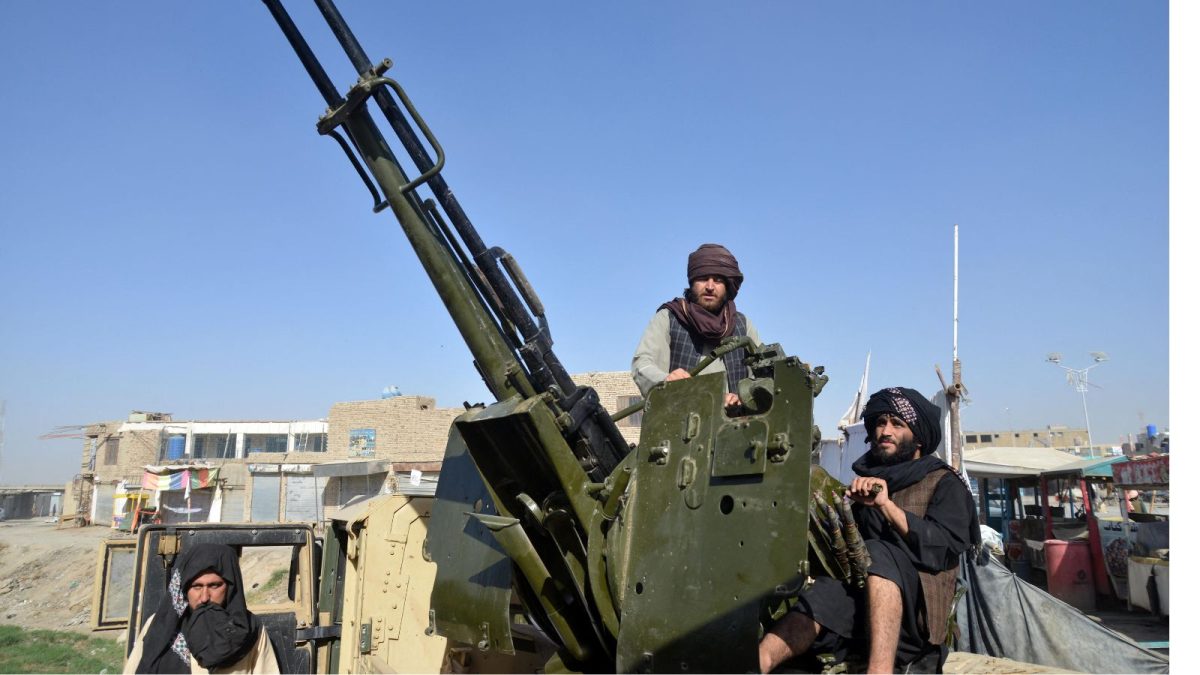
There are also unverified claims that Taliban fighters captured a Pakistani military outpost and took possession of the body of a slain soldier.
Violent confrontations along the contested Durand Line have surged dramatically, with fresh clashes reported between Pakistani forces and the Afghan Taliban in the eastern reaches of Afghanistan. The latest episode, centred in the Tani district of Khost Province, represents a stark escalation in an already fraught relationship between Pakistan and Afghanistan.
Chronology of the Night‑time Exchange
According to multiple sources, hostilities ignited during the night and rapidly intensified as both Pakistani forces and Afghan Taliban unleashed heavy gunfire and mortar shells. Afghan Taliban statements assert that at least six Pakistani soldiers lost their lives and that a number of additional Pakistani soldiers sustained injuries in the round of combat.
Afghan Taliban sources also allege that an armed contingent of Afghan Taliban seized a Pakistani military outpost and removed the remains of a Pakistani soldier killed in the fighting. Independent verification of this particular claim remains absent, and the information has not been corroborated by external observers.
Persistent Fire Across the Khost Sector
The exchange of fire has continued intermittently across the Khost sector, with sporadic bursts of shooting that underline the precarious security environment along the Durand Line. The confrontations, while localized, have been intense enough to illustrate the fragility of peace in an area characterised by porous terrain and disputed borders.
Continual skirmishes of this nature exacerbate the already volatile atmosphere that surrounds the Durand Line, a frontier that has historically served as a flashpoint for cross‑border tensions.
Underlying Mistrust Between Islamabad and Kabul
At the core of the present escalation lies a deep‑seated mistrust between Islamabad and Kabul. Since the Taliban regained control of Afghanistan, relations between the two capitals have progressively deteriorated, largely because of accusations that the Afghan Taliban provide sanctuary to members of Tehrik‑i‑Taliban Pakistan.
Pakistani forces have repeatedly charged that the Afghan Taliban extend safe havens to Tehrik‑i‑Taliban Pakistan militants, who have orchestrated a series of lethal attacks on Pakistani soil. These accusations have fuelled a narrative of suspicion that continues to shape diplomatic and security interactions.
Afghan Taliban Rejection of Pakistani Accusations
The Afghan Taliban administration in Kabul has categorically denied the allegations put forth by Pakistani forces, while simultaneously condemning Pakistan’s cross‑border strikes and fencing initiatives along the Durand Line. For Kabul, the demarcation itself remains a contentious matter, with successive Afghan governments historically refusing to formally acknowledge the border.
This longstanding denial of formal recognition amplifies the diplomatic impasse, as both sides remain entrenched in opposing interpretations of sovereignty and territorial integrity.
Strategic Backfire and the “Blowback” Phenomenon
Intelligence assessments suggest that the present clashes are a direct fallout of Pakistan’s enduring strategy of supporting militant proxies within the region. This approach, originally intended to secure strategic depth, is now perceived as generating unintended consequences that reverberate back onto Pakistani security interests.
The resurgence of Tehrik‑i‑Taliban Pakistan activity, in particular, is increasingly viewed as a “blowback” challenge confronting Pakistan’s security establishment, raising questions about the long‑term viability of proxy‑based policies.
Human Cost and Immediate Aftermath
The reported loss of six Pakistani soldiers represents a grim reminder of the human toll exacted by the border dispute. Survivors within Pakistani forces who sustained injuries are receiving medical attention, though details regarding the extent of their wounds remain limited.
Families of the fallen Pakistani soldiers have been notified, and public sentiment in Pakistan reflects a mixture of grief, anger, and calls for a stronger response to perceived incursions along the Durand Line.
Geopolitical Ramifications for the Region
The escalation carries broader implications for regional stability. Neighboring states monitor the situation closely, aware that intensified fighting along the Durand Line could destabilise trade routes, displacement patterns, and counter‑terrorism collaborations.
Any prolongation of hostilities threatens to erode existing confidence‑building measures and may compel international actors to reassess their engagement strategies with both Islamabad and Kabul.
Prospects for De‑Escalation
Efforts to de‑escalate the situation hinge on diplomatic outreach that addresses the core grievances of both parties. For Islamabad, the primary concern centres on eliminating safe havens for Tehrik‑i‑Taliban Pakistan within Afghan territory. For Kabul, the emphasis lies in asserting sovereignty over the Durand Line and rejecting external interference.
Without a mutually acceptable framework that tackles these divergent priorities, the likelihood of recurring clashes remains high.