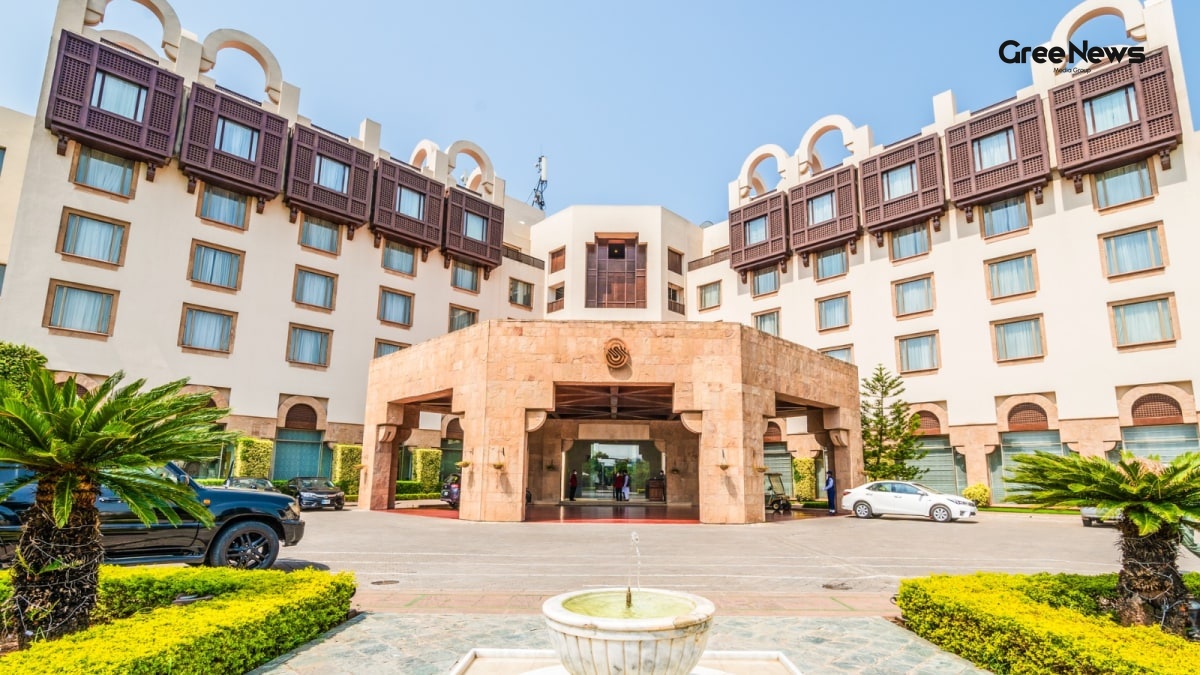
According to sources, the situation escalated to the point where the hotel’s owner, linked to the Aga Khan Development Network, was forced to step in and settle the expenses.
Let me tell you, what was meant to be a showcase of diplomatic ambition has instead turned into a moment of global embarrassment for Pakistan. The high‑profile US‑Iran talks hosted in Islamabad recently have come under scrutiny, not for their outcomes, but for an unusual controversy that followed. The Pakistani government, which positioned itself as a regional mediator, reportedly failed to clear the bills of the venue, the Serena Hotel Islamabad, triggering an awkward situation that has raised questions about the country’s financial stability and credibility.
Now, you know how we in India love to keep an eye on the latest news India, especially when it involves neighbourly diplomatic drama. So, when word got out that the hotel’s owner a person tied to the Aga Khan Development Network had to step in and pay the outstanding amount, a lot of folks started chatting about it on WhatsApp groups. What happened next is interesting: the story quickly went from a diplomatic footnote to breaking news that had people asking, "Is Pakistan really that strapped for cash?"
In most cases, the host nation takes care of such routine operational payments, especially for an event that garners so much international attention. But this time, the inability to manage even a straightforward hotel bill exposed a deeper mismatch between Pakistan’s diplomatic ambitions and its economic realities. Many people were surprised by this, because we usually hear about large infrastructure projects being delayed, not about a simple invoice left unpaid.
Why the unpaid bill mattered more than the talks themselves
The Islamabad summit was projected as a key moment for Pakistan to assert itself as a credible intermediary between Washington and Tehran. Hosting the talks at a prestigious venue like Serena Hotel was meant to signal stability and capability. However, the failure to settle the bill turned that narrative on its head.
“This basic failure during a major international event exposes the state’s inability to manage even routine operational payments," top intelligence sources said, underlining the gravity of the lapse. The optics of a host nation failing to honour its financial commitments, particularly during a globally watched diplomatic engagement, have amplified perceptions of administrative and fiscal fragility.
If you think about it, the story reminded many of us of the saying, "A chain is only as strong as its weakest link." In this case, the unpaid hotel bill became that weak link, dragging down Pakistan’s attempt to look like a steady hand in the volatile US‑Iran relationship.
And here's a little anecdote from my own experience: once, when I visited a five‑star hotel in Delhi for a business conference, the organizers made sure every little expense was taken care of well before the event ended. It felt professional, and it left a good impression on all participants. Imagine the opposite the host country looking embarrassed because the check is still on the table. Many people were surprised by this scenario playing out on a world stage.
Economic backdrop why the payment slipped
The incident comes at a time when Pakistan remains under the watch of the International Monetary Fund, grappling with persistent economic stress. With inflation reportedly hovering around a staggering 79 per cent, the country continues to face structural financial challenges. Against this backdrop, the unpaid hotel bill episode has become symbolic of a larger crisis, one where economic constraints are increasingly undermining diplomatic outreach.
Think of it this way: when a country is battling such high inflation, even the government’s own ministries struggle to keep their budgets in line. It’s like when your family has to cut down on weekend outings because the grocery bill is through the roof only on a national scale.
In most cases, the IMF’s involvement means that the government is under pressure to tighten fiscal discipline, which can sometimes lead to delays in payments, especially for non‑essential services. The fact that the Serena Hotel bill, despite being for a high‑profile diplomatic event, got caught in this web of financial tightening, shows how far the strain has reached.
This episode also nudged a lot of analysts to question whether Pakistan can sustain its aspiration to be a peace broker in the region. As one source put it, “A country claiming a diplomatic victory cannot even settle a hotel bill." That line has been quoted in many trending news India portals, turning the episode into viral news that spreads faster than any official press release.
Reactions from diplomats and the public
After the story broke, diplomatic circles buzzed with commentary. Some foreign diplomats expressed concern over the logistical mishap, while others used it as a subtle reminder of the economic challenges Pakistan faces. A senior envoy from a European country reportedly said, "It’s a reminder that soft power cannot hide hard economic realities."
On the ground in Islamabad, hotel staff shared their perspective. One manager, who wished to stay anonymous, told me that they were initially proud to host such a high‑profile meeting, but the delayed payment left them scrambling to cover staff salaries. He said, "We were expecting the bill to be cleared promptly, as is usual in such events. When it didn’t happen, we had to step in ourselves."
Meanwhile, on Indian social media, the story turned into a meme fest. People started posting screenshots of the unpaid invoice with captions like "When you book the best hotel for a world summit but forget to pay the bill classic!" The humor, however, masks a serious discussion about how financial mismanagement can erode a nation’s credibility on the world stage.
In many of the comments I saw, folks expressed both empathy for Pakistan’s situation and a bit of schadenfreude. It’s a classic example of how breaking news can quickly become part of our everyday chatter, especially when it ties into broader themes like economic stability and international diplomacy.
What does this mean for Pakistan’s future diplomatic role?
Looking ahead, the question on everyone’s mind is whether Pakistan can bounce back from this embarrassment and continue to position itself as a mediator between the US and Iran. The answer isn’t straightforward.
On the one hand, the country still holds strategic geographic importance, and many regional actors still view it as a potential bridge. On the other hand, the unpaid hotel bill has left a dent in its image. In the world of diplomacy, perception often matters as much as policy.
For Pakistan to restore confidence, it will need to demonstrate not just diplomatic skill but also fiscal reliability. That could mean ensuring that future events have clear payment guarantees, perhaps even involving international donors or escrow accounts to avoid a repeat of this scenario.
In most cases, nations learn from such slip‑ups. Remember when a similar issue happened in another country where a conference venue wasn’t paid for on time? The fallout was short‑lived because the government quickly set up a dedicated fund for international events. If Pakistan takes a page from that playbook, the embarrassment might be short‑lived too.
What happened next is interesting: the Aga Khan Development Network’s involvement has been praised by some for stepping in when the state faltered, showing that private philanthropy can sometimes fill gaps left by governments. It also sparked a conversation about the role of such networks in supporting national initiatives, especially in times of economic crunch.
Takeaways for everyday readers
So, what can we, as regular readers of trending news India, take away from this saga? First, it’s a reminder that even high‑profile diplomatic events are subject to the same financial realities that affect every household. Second, it underlines how quickly a story can shift from diplomatic analysis to viral news, especially when there’s a human element a hotel bill that wasn’t paid.
If you’re following the story on your phone, you might have seen it pop up in your news feed under the tag “viral news”. That’s because the incident ticked all the boxes for share‑ability: a political drama, an economic twist, and a bit of unintended humour.
Finally, it shows that while a country can aim to be a peace broker, it also needs to keep its internal affairs in order. Otherwise, the world watches not just the summit’s outcomes, but also the little things that happen behind the scenes like who’s paying the hotel bill.
All in all, it’s a story that will probably stay in the conversation for a while, especially as Pakistan works to clean up its fiscal act. And who knows? Maybe the next time a big diplomatic meet is scheduled, we’ll see a different approach to handling the logistics, making sure the venue gets paid on time and the focus stays on the real agenda peace and cooperation.