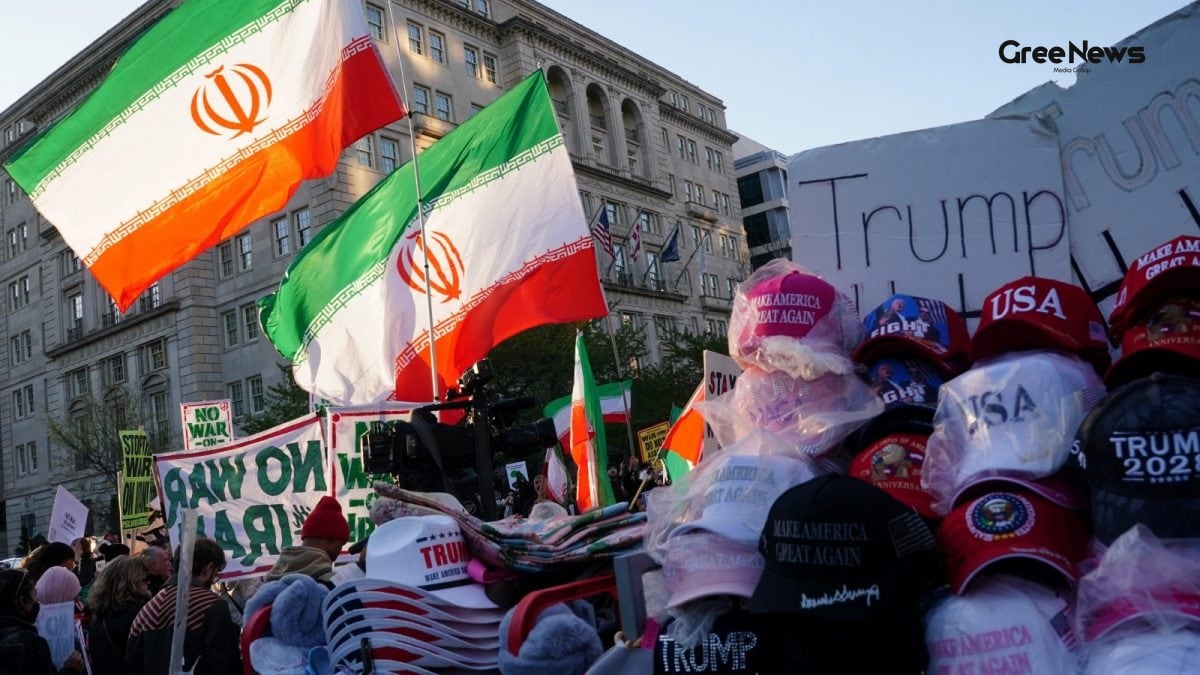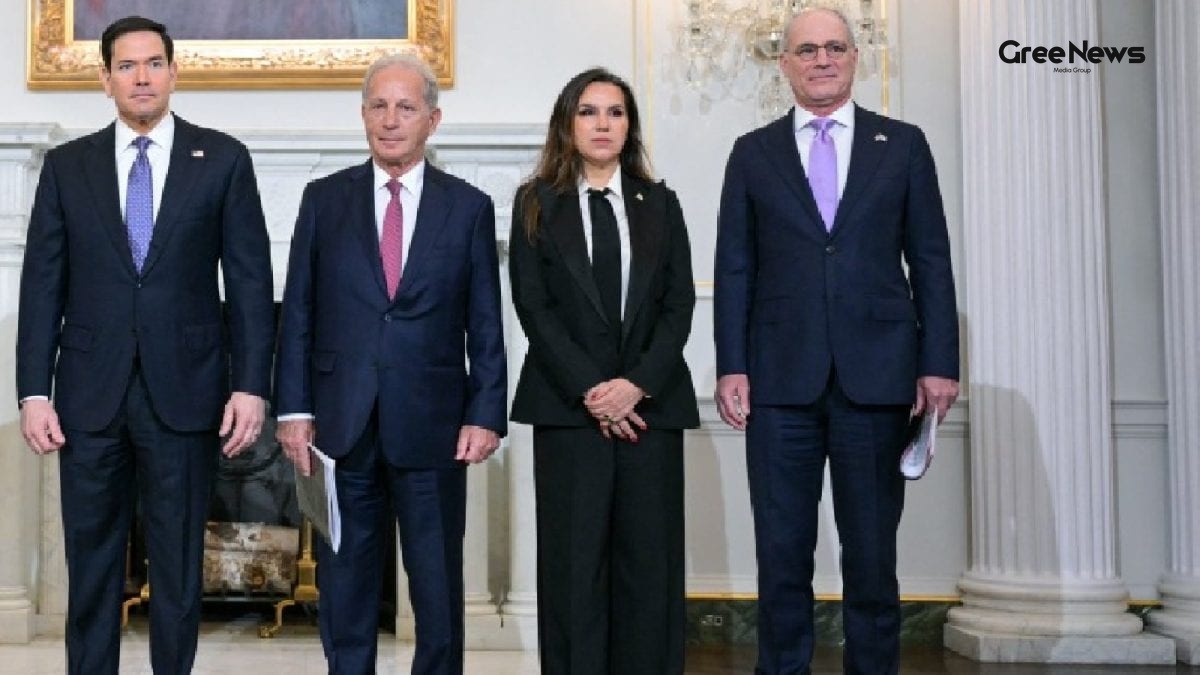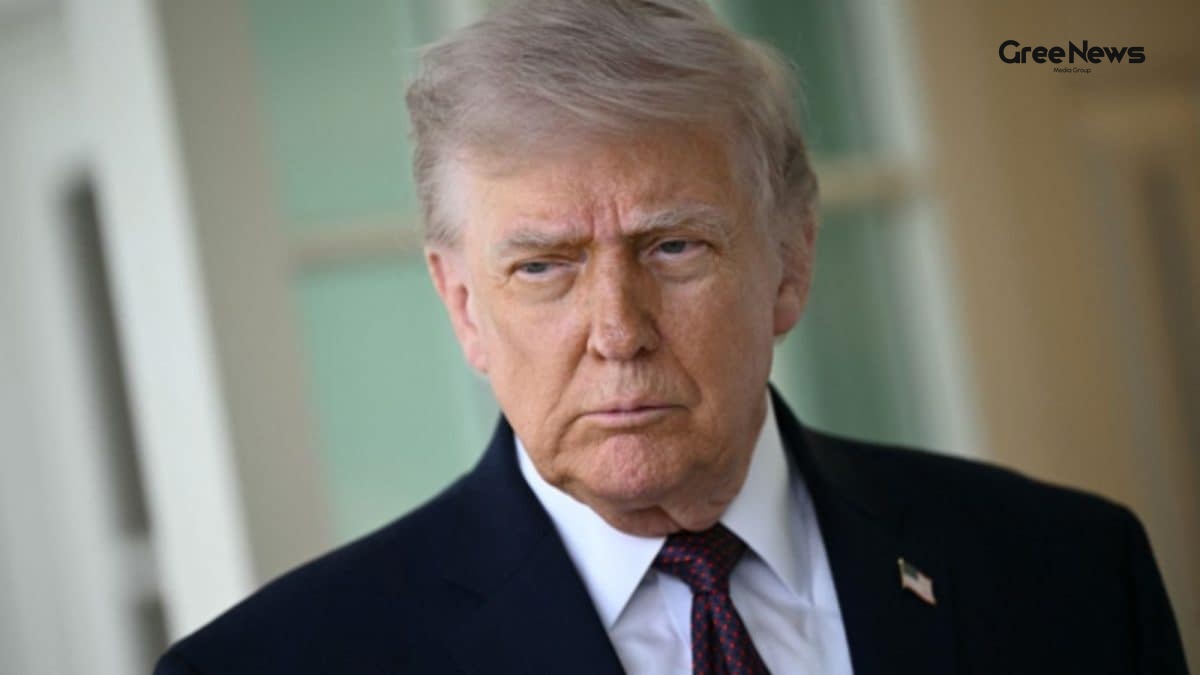
The diplomatic row unfolded at a time when South Korea is facing mounting economic pressure linked to the US‑Israel war on Iran.
Let me tell you how I first heard about this whole saga I was scrolling through my X feed early morning, looking for the latest news India was buzzing about, when a headline caught my eye: "South Korean President shares shocking video, Israel blasts back." It felt like one of those viral news moments that you just can’t ignore. I clicked, and the story unfolded like a thriller, with each tweet adding a fresh layer of drama.
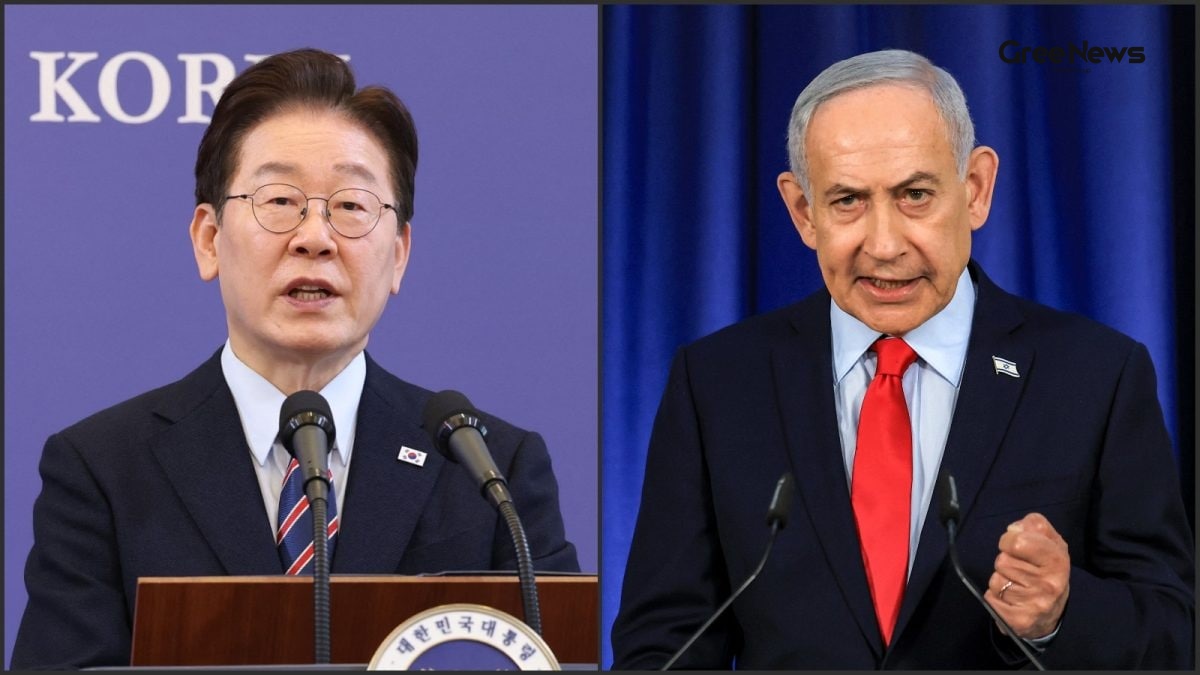
It all began when South Korean President Lee Jae Myung reposted a video that dates back to 2024. The clip, originally uploaded by a Palestinian activist account, claimed to show a child being tortured and thrown from a building by Israeli soldiers. I remember thinking, "Is this really happening now?" only to learn that the footage was actually from a previous West Bank operation. The timing was strange, and the fact that the president chose to amplify it made the whole thing a hot topic of trending news India today.
What Lee shared on X?
Lee’s post was more than just a share; it was a bold statement. He wrote in Korean, then added an English translation, saying he needed to verify whether the video was authentic and, if so, what actions had been taken. But he didn’t stop there. He went on to draw a direct parallel between the alleged incident and historic atrocities the Holocaust and the forced sexual slavery of Korean "comfort women" during Japanese rule.
"I need to find out whether this is true, and if it is, what measures have been taken. The forced prostitution of comfort women that we are protesting against is no different from the massacre of Jews or wartime killings," Lee posted. The wording was stark, and it instantly sparked a firestorm of reactions. People were sharing, retweeting, and debating the moral equivalence he highlighted. Some called it a courageous stand for universal human rights, while others said it was an inappropriate comparison.
What made the whole episode even more intriguing was Lee’s follow‑up tweet, where he said that even if the victim was already dead, the handling of a corpse still amounted to a violation of international law. "A small relief, if any, is that it involved a corpse rather than a living person, but even so, such treatment of a body constitutes a violation of international law," he wrote. This nuance added another layer of curiosity what happened next is interesting because it showed how quickly the conversation shifted from moral outrage to legal debate.
Israel’s response
Israel’s foreign ministry reacted swiftly, labeling Lee’s comments as disinformation. In a statement that read like a press release, they accused the president of amplifying a “fake account” known for anti‑Israeli content. The ministry said the video had already been investigated and that it actually showed an adult militant killed during a 2024 operation, not a child.
"President Lee Jae Myung, for some strange reason, chose to dig up a story from 2024 and to cite a fake account that falsely presented it as a current event," the Israeli statement read. The tone was firm, hinting that the Israeli government saw this as more than a simple misunderstanding it was a direct challenge to the credibility of their military actions.
What caught people’s attention was the timing of the Israeli reply. It came just a day after Lee’s initial post, and the swift diplomatic pushback turned the whole episode into breaking news across many Asian platforms, including several Indian news portals that were already covering the story under the hashtag #IndiaUpdates.
South Korea’s government clarification
Few hours later, the South Korean foreign ministry stepped in, trying to temper the heated exchange. Their press note said Israel had "misunderstood" the president’s remarks and clarified that Lee was speaking about "universal human rights" rather than singling out any specific conflict.
In the same note, the ministry reiterated Seoul’s stance against terrorism and expressed empathy for victims of violence, but it stopped short of issuing a formal apology. Lee himself later described Israel’s criticism as "disappointing" and emphasized that empathy should be a two‑way street in international relations.
This diplomatic dance reminded me of the many times I’ve seen governments try to walk a fine line between standing up for values and maintaining strategic ties something that often makes the trending news in India quite complex.
Economic strain amid Iran‑related tensions
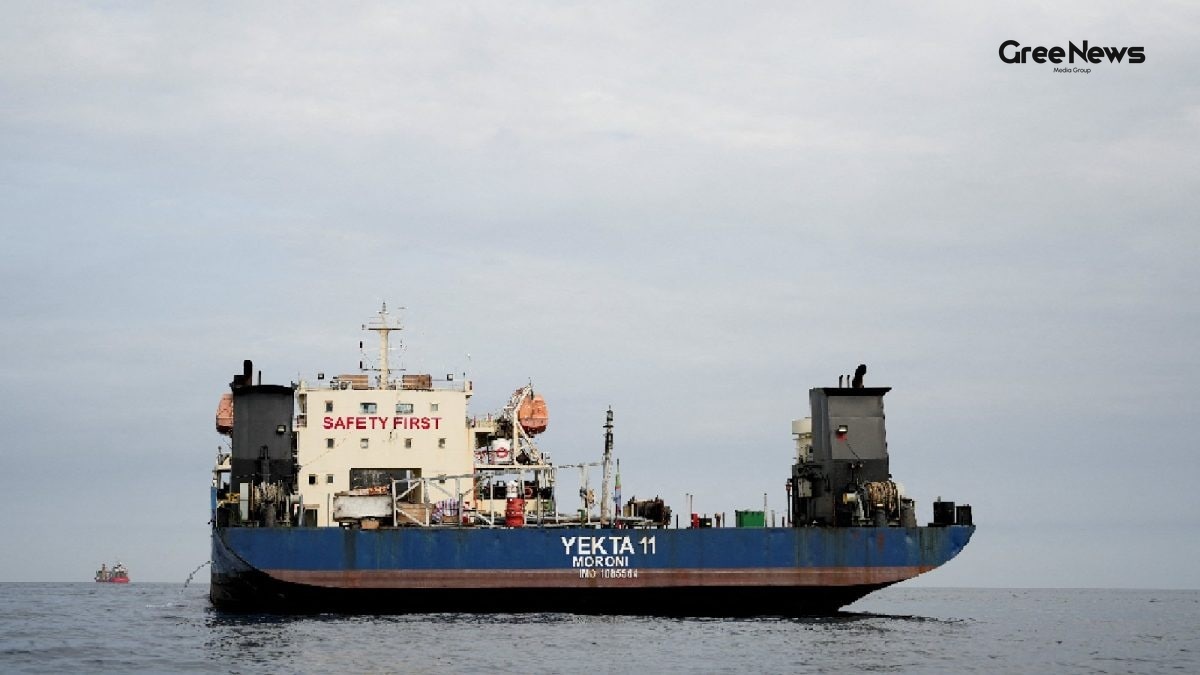
While politicians sparred on social media, another, less obvious story was playing out behind the scenes South Korea’s mounting economic pressure linked to the broader US‑Israel confrontation over Iran. A report in the South China Morning Post highlighted that roughly 26 South Korean tankers were stranded near the Strait of Hormuz, a crucial chokepoint for global oil shipments.
Security analyst Nam Sung‑wook, a professor at Sookmyung Women’s University and former head of the Institute for National Security Strategy, pointed out that these stranded vessels were a direct consequence of heightened tensions in the region. He explained that the situation was creating a ripple effect, affecting not just the Korean shipping industry but also the global supply chain a fact that Indian traders and investors were closely watching.
Political‑science professor Lee Jun‑han of Incheon National University added his thoughts, saying that while South Korea could be praised for calling for a ceasefire and highlighting human‑rights concerns, it was “regrettable” that the president used a two‑year‑old video as if it were fresh footage. He warned that such missteps could undermine the credibility of Seoul’s stance, especially when the world is trying to navigate the delicate balance of the US‑Iran‑Israel triangle.
Another analyst, Jhee Byong‑kuen of Chosun University, suggested that Lee’s remarks might also be a subtle signal to the United States. "He was sending a signal to Washington indirectly that South Korea wouldn’t be roped into participating in a war it didn’t ask for," Byong‑kuen said. This speculation added a diplomatic layer that many Indian policy watchers found fascinating, as it hinted at the larger geopolitics that often shape the headlines we see in our news feeds.
Why this matters for India and the wider region
Now, you might wonder, what does a diplomatic spat between Seoul and Jerusalem have to do with India? The answer lies in the interconnectedness of today’s breaking news ecosystem. India, being a major importer of oil and a strategic player in the Indo‑Pacific, feels the aftershocks whenever there’s a shift in the Middle‑East dynamics. The fact that South Korean tankers are stuck near Hormuz could translate into higher freight rates, which ultimately affect Indian exporters and importers.
Moreover, the narrative around human‑rights advocacy, especially when it touches on historical wounds like the comfort‑women issue, resonates strongly with Indian audiences who are keen on stories of justice and accountability. That’s why the story quickly turned into trending news India, with many Indian social‑media users sharing their own takes, linking it to local debates about historical injustices.
On a broader level, the incident underscores how diplomatic language on platforms like X can turn into viral news that shapes public opinion across continents. It’s a reminder that the digital age has blurred borders a tweet from a South Korean president can become a topic of discussion in Mumbai cafés, Delhi office corridors, and even in the classrooms of Delhi University, where students dissect the ethics of comparing disparate historical tragedies.
Looking ahead possible fallout and lessons learned
What happened next is interesting because both governments seemed to adopt a cautious tone. Israel continued to press its point that the video was misrepresented, while South Korea’s foreign ministry kept emphasizing that the leader’s intent was to spotlight universal human‑rights concerns, not to single out Israel. The diplomatic row gradually cooled, but the episode left a lingering impression on the international community.
For Indian readers, the takeaway may be simple: in the age of viral news, every share, every retweet, and every comment can have diplomatic reverberations. As we keep an eye on the latest news India, it’s worth remembering that behind each headline lies a complex web of politics, economics, and human stories.
In most cases, the incident serves as a cautionary tale about the power of social media it can amplify voices, but it can also ignite unintended storms. Whether it’s about a video from 2024 or a fresh policy announcement, the lesson remains the same: verify, empathize, and think about the wider impact before hitting that share button.
And that, my friends, is why this story keeps popping up in our daily feeds it touches upon everything from diplomatic etiquette, economic stakes, to the deep‑seated human‑rights narratives that keep us all engaged. As the story rolls on, we’ll keep watching how it shapes the next round of India updates and what new diplomatic messages come out of Seoul and Jerusalem.