Honestly, when I first saw the headlines about the strikes in the Gulf, I thought it was another piece of breaking news that would fade away after a few scrolls. But as someone who follows the latest news India and keeps an eye on the market, I quickly realised this was more than just a flash on the screen it was a real economic shock that could touch us here in Delhi, Mumbai or Chennai.
So, let me walk you through what the IMF just released in its newest World Economic Outlook, and why the numbers they quoted are making many of us uneasy. I’ll throw in some personal anecdotes, because after all, understanding numbers becomes easier when you can picture them in everyday life, right?
What Prompted the IMF to Cut Its Forecast?
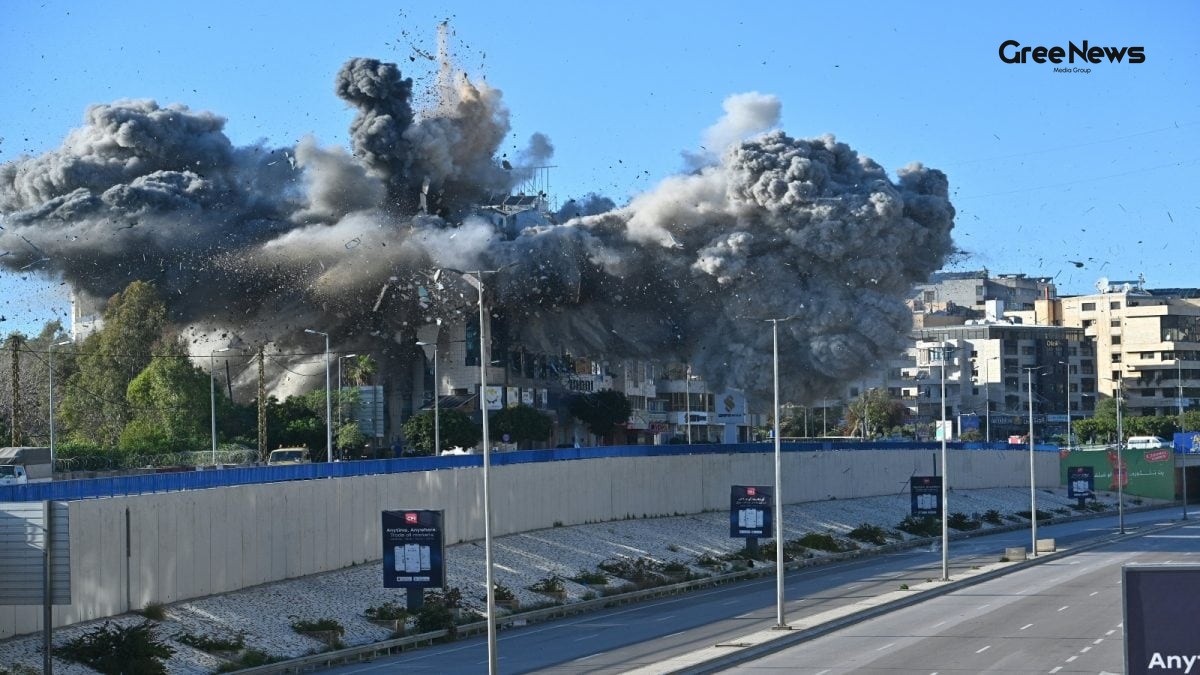
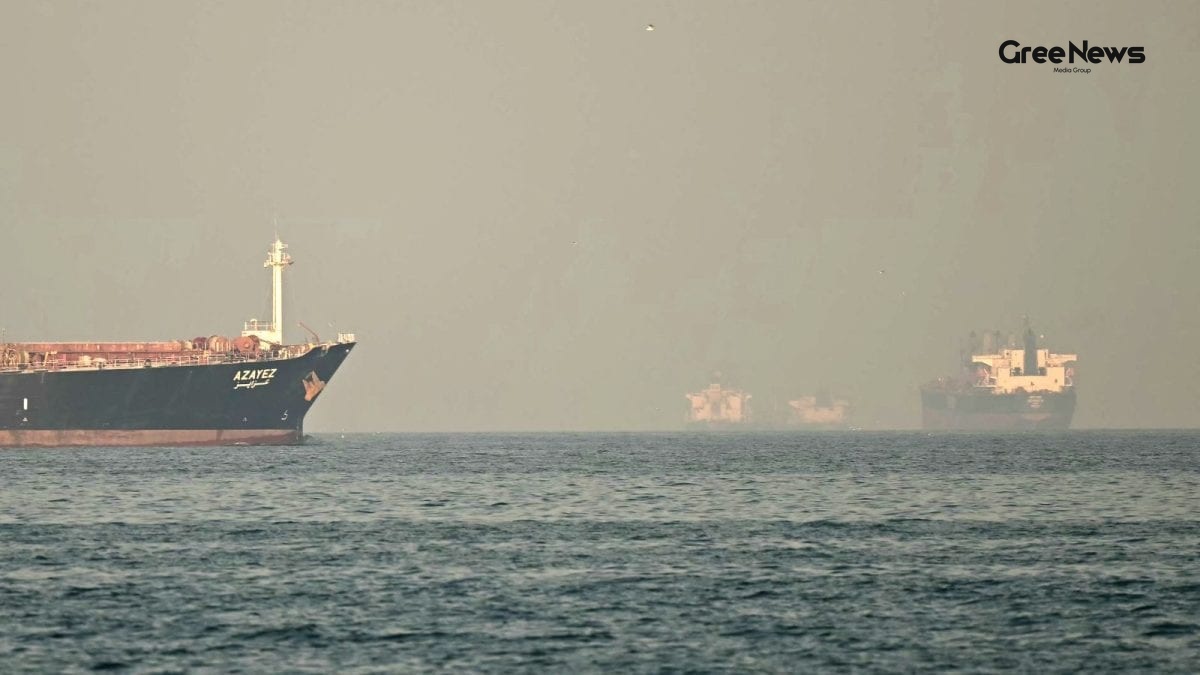
First off, the IMF didn’t just pull numbers out of thin air. The region’s growth projection for West Asia and North Africa has been cut down to a paltry 1.1% for this year a huge fall from the 3.9% they had signalled just a few months back. The chief reason? A near‑shutdown of the Strait of Hormuz.
Think of the Strait like the main artery that carries the lifeblood of global oil and gas. When fighting broke out, ships were either turned away or forced to take longer, costlier routes. That bottleneck choked off export volumes, and the IMF warned that the damage to infrastructure could keep the region’s economies on a treadmill of contraction for the foreseeable future.
Honestly, I felt a little shiver when I read about the “severe downward revisions” it reminded me of the times when the monsoon delayed trains, and the whole city seemed to stall. That’s basically what’s happening on an economic scale in the Gulf.
Oil Shock Ripple Effect Numbers That Matter
Now, let’s break down the headline numbers that are causing a stir in the viral news circuit. Iran’s economy is expected to contract by 6.1% this year. That’s not a typo; it’s a steep downgrade from the optimistic figures earlier in the year. Qatar, which most of us know for its massive liquefied natural gas (LNG) projects, faces an even harsher contraction of 8.6% after its main LNG facilities took a hit.
Iraqi growth is projected to shrink by 6.8%, while Bahrain and Kuwait both heavily reliant on the Hormuz route are now expected to slip into contraction, with their economies shrinking by 0.5% and 0.6% respectively. Even the bigger players aren’t immune. Saudi Arabia’s growth forecast has been trimmed to 3.1% a noticeable dip from earlier estimates and the United Arab Emirates is also pegged at 3.1%, down from a robust 5.8% the previous year.
To put it in a context close to home, imagine your favourite chai stall in a busy market suddenly losing half its regular customers because the main road leading to it is blocked. That’s essentially what’s happening to these economies, only the ‘customers’ are billions of barrels of oil and gas.
Beyond Oil The Wider Economic Pain
It’s easy to think the trouble is limited to oil‑rich nations, but the IMF made it clear that the ripple effect reaches farther. Countries that import fuel, like Egypt, are also feeling the pinch. Their growth forecast has been cut to 4.2% still decent, but clearly weighed down by soaring energy prices.
What this means for everyday folks is higher fuel costs, more expensive transportation, and a general rise in the cost of living. I remember when the price of diesel went up a few rupees a litre a couple of years back; even a small increase can set off a chain reaction of higher prices for everything from vegetables to movie tickets.
The IMF warned that the scale of economic damage will hinge on how quickly the damaged infrastructure gets repaired and how soon the transport routes reopen. They’re cautiously optimistic about a rebound in 2027, but that hinges on a normalisation of energy production and transport a hope we can all share.
How This Ties Into India’s Own Economic Story
Now, you might be wondering, "What does all this have to do with me?" Here’s where the India updates part becomes relevant. A large chunk of our country’s oil imports comes from the Gulf. Any disruption there can directly affect the price at the pump here in India.
When oil prices spike, we see a knock‑on effect on everything from the cost of cooking gas (LPG) to the price of diesel that powers trucks delivering goods across the nation. In recent weeks, I’ve noticed my neighbour’s grocery store putting a ‘price rise’ sticker on many items a subtle but clear sign of the global energy shock reaching our doorstep.
Moreover, Indian companies with investments in the region especially in the energy sector might see profit margins squeezed. That could translate into lower dividend payouts or delayed projects, which, in turn, can affect the Indian stock market. In short, the “trending news India” about West Asian economies is not just a distant issue; it is very much a part of our own economic pulse.
Personal Reflections A Little Story From My Kitchen
Let me share a small story to make this more relatable. A few days back, I was cooking aloo curry for dinner, and I realized the price of the potatoes had gone up again. I joked with my wife that maybe the Gulf war had travelled all the way to our kitchen. While it was a light‑hearted comment, it highlighted how intertwined global events are with our daily lives.
Later that evening, while scrolling through my phone, I saw a breaking news piece titled “Oil shock ripples across West Asia”. The article quoted the same IMF numbers we are discussing. It felt like watching a domino effect in real time from the strait, to the oil fields, to the fuel stations, and finally to my kitchen table.
That’s the kind of connection that makes the numbers feel less abstract and more personal. And, honestly, it makes me keep a closer eye on the news because every headline could hint at a shift that we’ll feel in our wallets.
What Might Happen Next?
Here’s where curiosity kicks in what happens if the strikes continue? The IMF’s outlook suggests that if the disruption lingers, the contraction could deepen, especially for the smaller economies that depend heavily on the Hormuz route.
On the flip side, if diplomatic channels manage to ease the tension, we could see a quicker bounce‑back. The IMF hinted at a possible recovery in 2027, but that’s contingent on a return to normal production and transport. Many analysts I spoke with believe that, much like the monsoon, the worst could pass, but the aftermath will still require a lot of rebuilding.
In the meantime, I think it’s safe to say that the latest news India will keep mentioning these forecasts, especially as they influence global oil prices and, indirectly, our local markets.
Conclusion Staying Informed and Prepared
All in all, the war’s economic impact is a stark reminder of how interconnected our world really is. The IMF’s gloomy numbers for Iran, Qatar, Iraq and their neighbours are not just statistics; they are a signal that the “viral news” from West Asia can affect everything from fuel costs to the price of a simple bowl of rice in India.
For us regular folks, the best we can do is stay updated, watch how the oil market reacts, and perhaps budget a little tighter when we see the numbers shifting. After all, being aware of these developments can help us make smarter choices be it in the stock market, in daily expenses, or even when planning a trip abroad.
So, the next time you scroll through trending news India and spot a headline about the Gulf, remember that there’s a whole chain of events behind it, and we’re all part of that chain, whether we like it or not.