Ceasefire Tension Escalates: Pakistan's Mediation Sparks Lebanon Dispute Amid US‑Iran Standoff
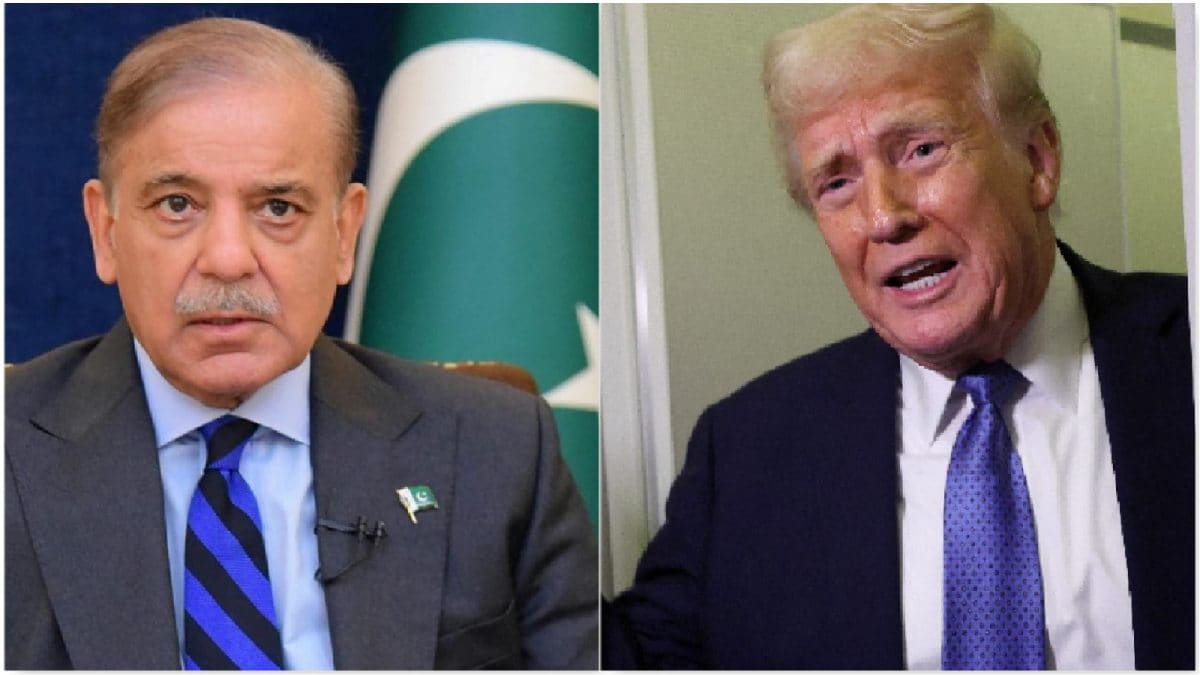
Pakistan Prime Minister Shehbaz Sharif asserted that Lebanon was covered by the newly announced US‑Iran ceasefire, while the United States and Israel rejected that claim as Israeli strikes hit Lebanese territory within hours, leaving the exact scope of the aGreement in doubt.
Background of the US‑Iran Ceasefire Initiative
The United States and Iran announced a ceasefire that was intended to halt hostilities across all active theatres of conflict in the region. Pakistan positioned itself as a crucial intermediary, with Pakistan Prime Minister Shehbaz Sharif taking a leading role in communicating the terms of the aGreement to the international community. Within a single day, the ceasefire faced intense scrutiny because of conflicting interpretations about whether Lebanon fell within the scope of the truce.
The core of the controversy is a fundamental question: did the ceasefire explicitly include Lebanon, or was Lebanon excluded from the aGreement? The answer depends entirely on the source consulted, and each party’s narrative has been reinforced by statements from high‑level officials and diplomatic representatives.
Pakistan Prime Minister Shehbaz Sharif’s Public Declaration
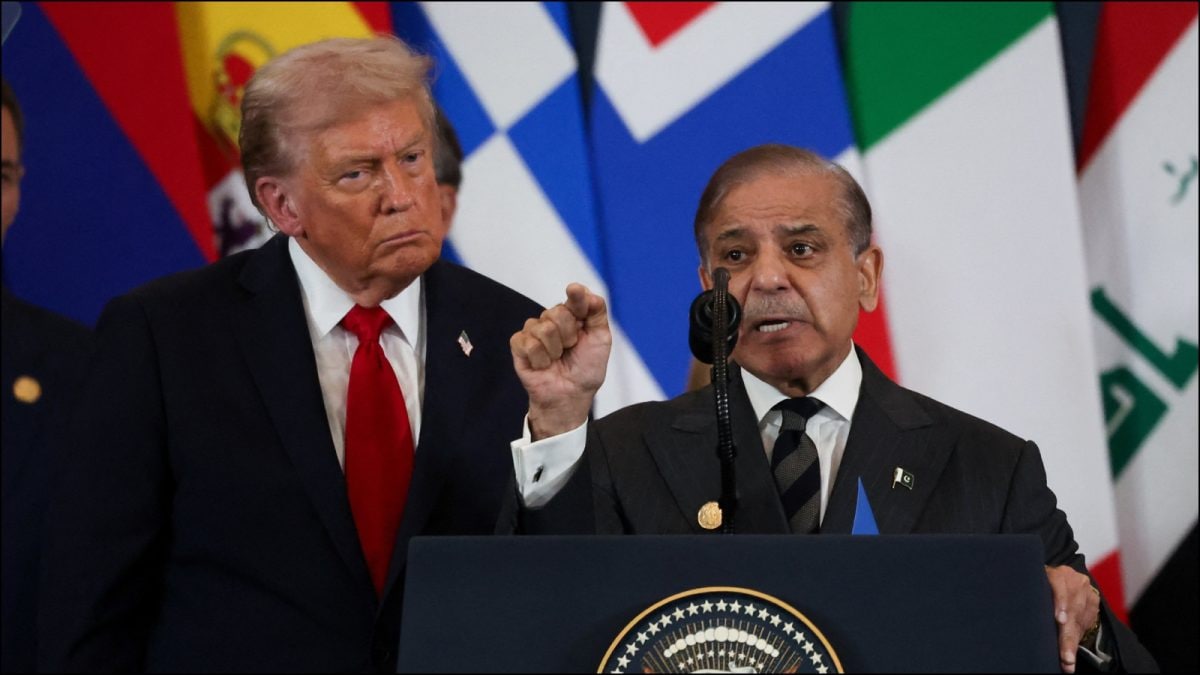
Pakistan Prime Minister Shehbaz Sharif delivered a public address in which Pakistan Prime Minister Shehbaz Sharif declared that the ceasefire covered “all theatres of conflict, including Lebanon, and elsewhere, effective immediately.” Pakistan Prime Minister Shehbaz Sharif emphasized that the wording reflected a comprehensive halt to hostilities across the entire region, with Pakistan Prime Minister Shehbaz Sharif asserting that no geographic area was to be excluded.
Following Pakistan Prime Minister Shehbaz Sharif’s remarks, Pakistan ambassador to the United States Rizwan Saeed Sheikh reiterated the same interpretation in an interview with CNN. Pakistan ambassador to the United States Rizwan Saeed Sheikh described the announcement as “authentic to what had been aGreed between the parties,” and Pakistan ambassador to the United States Rizwan Saeed Sheikh maintained that Pakistan’s understanding was that Lebanon was incorporated into the ceasefire framework.
Pakistan ambassador to the United States Rizwan Saeed Sheikh also warned that ceasefires in the region have historically been fragile, noting that “there have been instances in the past where ceasefires have been disrupted,” and suggesting that any on‑the‑ground developments should not be taken as a direct reflection of the original terms.
United States and Israel’s Contrasting Position
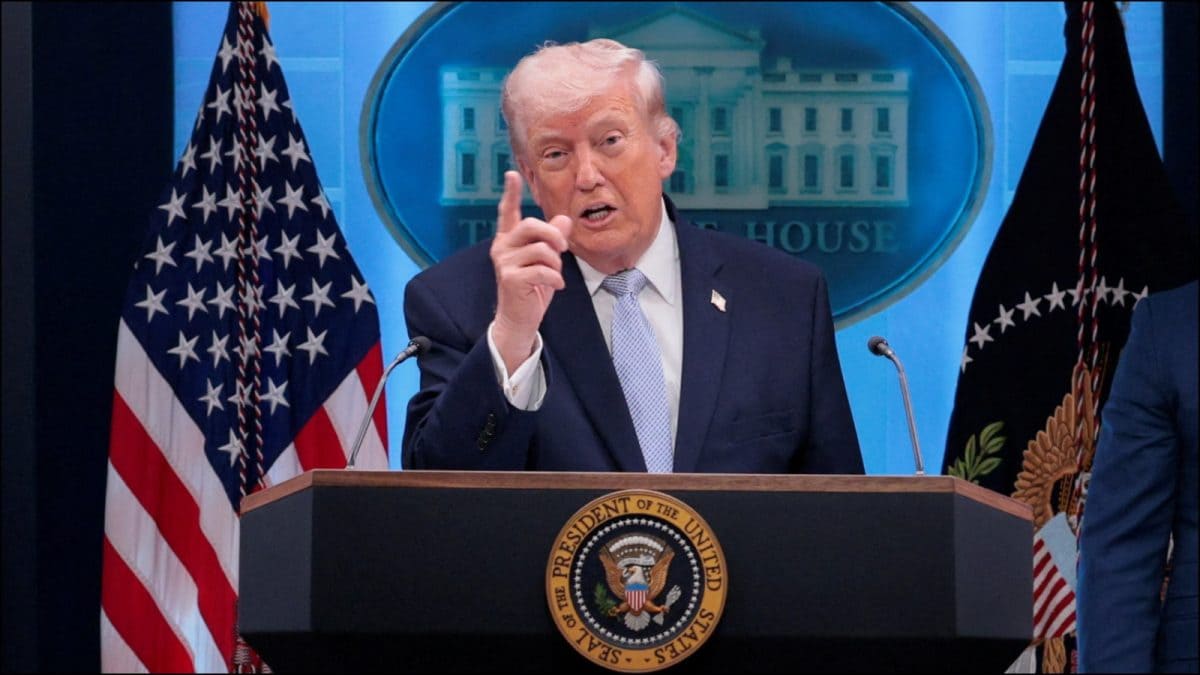
The United States and Israel presented a sharply different version of the aGreement. Israeli Prime Minister Benjamin Netanyahu explicitly stated that the ceasefire “does not include Lebanon.” Israeli Prime Minister Benjamin Netanyahu’s remark left no ambiguity about Israel’s interpretation of the ceasefire’s geographic scope.
White House Press Secretary Karoline Leavitt reinforced the United States’ stance, declaring that “Lebanon is not part of the ceasefire,” and emphasizing that this understanding had been communicated to all involved parties. White House Press Secretary Karoline Leavitt’s clarification was intended to align the United States’ official narrative with that of its key ally Israel.
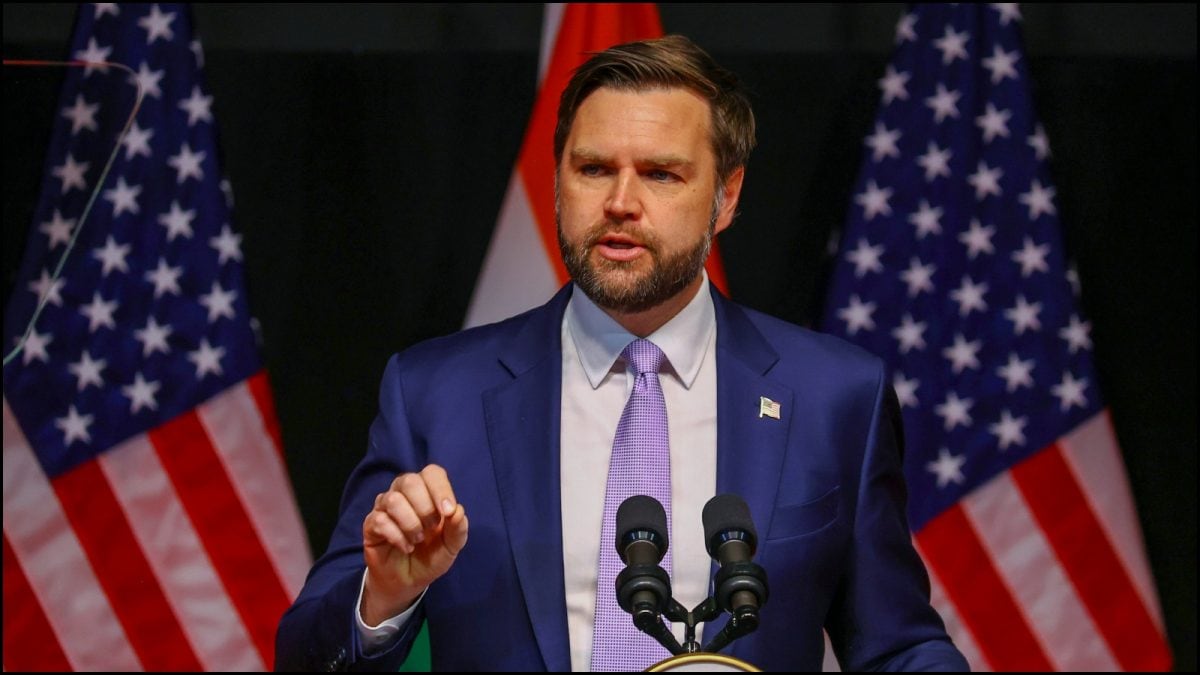
U.S. Vice President JD Vance suggested that the confusion might stem from a misunderstanding on the Iranian side of the negotiations. U.S. Vice President JD Vance said that “the Israelis, as I understand it … have actually offered to, frankly, check themselves a little bit in Lebanon, because they want to make sure that our negotiation is successful.” U.S. Vice President JD Vance added that if Iran “wants to let this negotiation fall apart… over Lebanon, which has nothing to do with them, and which the United States never once said was part of the ceasefire, that’s ultimately their choice.”
Immediate Military Action in Lebanon
Within hours of the ceasefire announcement, Israel conducted what it described as its largest military operation against Lebanon in the current phase of the conflict. According to Lebanon’s health ministry, the strikes resulted in at least 254 fatalities and 1,165 injuries, with several civilian areas impacted. The Israeli military confirmed that multiple locations in Lebanon had been targeted.
The timing and scale of the Israeli operation, occurring almost simultaneously with the ceasefire declaration, intensified questions about whether all parties were operating under a shared understanding of the aGreement. Observers noted that the rapid escalation suggested a possible disconnect between diplomatic statements and on‑the‑ground tactics.
Iran’s Alignment With Pakistan’s Interpretation
Iranian officials publicly supported Pakistan Prime Minister Shehbaz Sharif’s interpretation that Lebanon was part of the ceasefire. Iran parliamentary speaker Mohammad Bagher Ghalibaf accused the United States of violating the aGreement, citing three specific grievances: continued Israeli attacks on Lebanon, the entry of a drone into Iranian airspace, and the denial of Iran’s right to enrich uranium. Iran parliamentary speaker Mohammad Bagher Ghalibaf’s statement on X emphasized a “deep historical distrust” toward the United States, alleging repeated violations of commitments.
Iran foreign minister Abbas Araghchi echoed Iran parliamentary speaker Mohammad Bagher Ghalibaf’s position, sharing Pakistan Prime Minister Shehbaz Sharif’s ceasefire announcement and insisting that the terms were “clear and explicit.” Iran foreign minister Abbas Araghchi warned that the United States must choose between honoring a ceasefire or continuing war through Israel, stating that “the United States cannot have both.”
In reference to the Israeli strikes on Lebanon, Iran foreign minister Abbas Araghchi said that “the world sees the massacres in Lebanon. The ball is in the United States court, and the world is watching whether it will act on its commitments.” Iran foreign minister Abbas Araghchi’s remarks framed the situation as a test of United States resolve and credibility.
Ceasefire Under Immediate Pressure
Following the Israeli offensive, Iran briefly reopened the Strait of Hormuz as part of the ceasefire arrangement but subsequently moved to shut it again in response to the latest developments. Reports indicate that Tehran is reconsidering its participation in the aGreement and weighing a return to direct confrontation.
Global markets reacted to the heightened uncertainty, with oil prices fluctuating sharply as concerns over supply disruptions resurfaced. Analysts highlighted that the volatility reflected broader apprehensions about the stability of the ceasefire and the potential for renewed escalation.
Was the Dispute a Miscommunication or a Deeper Strategic Divide?
The conflicting narratives raise a critical question: does the disaGreement stem from a simple breakdown in communication during mediation, or does it reveal a deeper strategic divergence among the parties? Pakistan Prime Minister Shehbaz Sharif’s role in announcing and interpreting the ceasefire has come under intense scrutiny, especially given the clarity with which United States officials and Israeli Prime Minister Benjamin Netanyahu rejected the Pakistan‑based version.
Iran’s alignment with Pakistan Prime Minister Shehbaz Sharif suggests that at least one side of the negotiation shared the broader interpretation that Lebanon was included. This alignment also points to a possible rift between Iran’s expectations and the United States’ public statements.
Beyond the immediate diplomatic frictions, the episode underscores a broader geopolitical layer. Israel, having signaled dissatisfaction with aspects of the ceasefire, appears to be pursuing its own operational objectives in Lebanon, independent of the diplomatic wording. This possibility indicates that the disaGreement may involve not only semantic differences but also competing strategic priorities among allies.
Whether the situation represents a miscommunication or a manifestation of deeper fault lines, the result is a ceasefire already struggling to hold. The rapid erosion of trust among the involved parties threatens to undermine any future attempts at lasting peace in the region.