Donald Trump Vows Continued US Military Presence Around Iran Until Comprehensive Deal Enforced
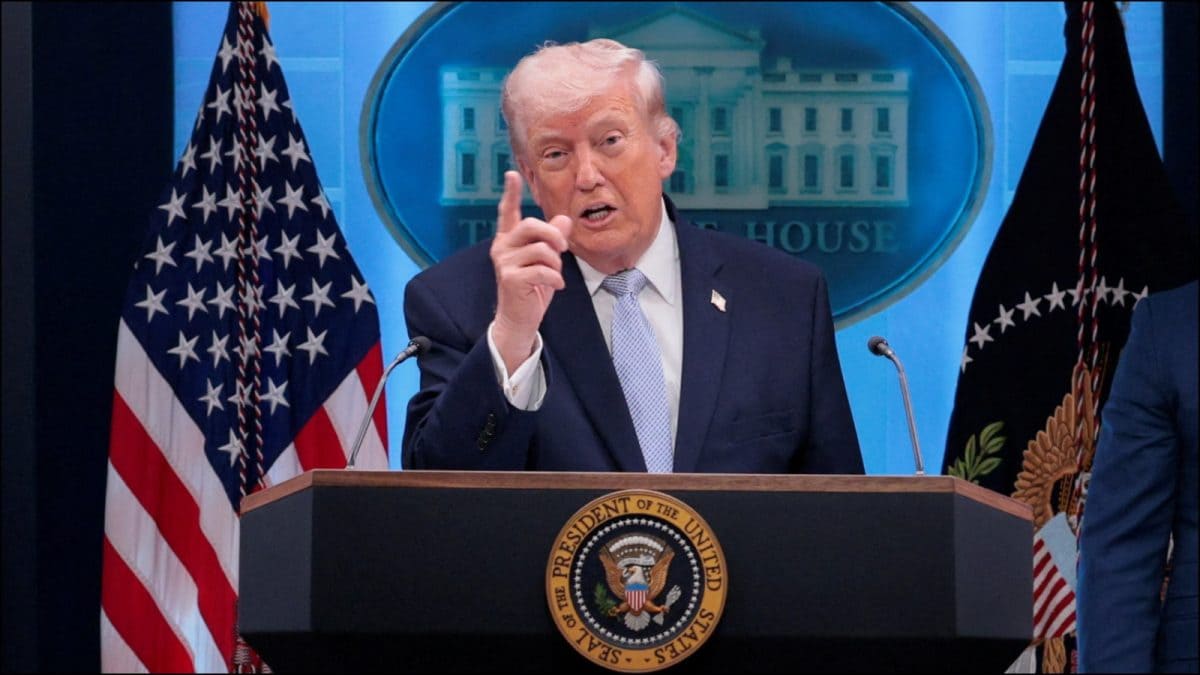
Donald Trump has announced that every element of the United States’ military deployment surrounding Iran will remain in place until a comprehensive, enforceable aGreement is achieved and fully operational.
US Forces to Remain Deployed Throughout the Current Cease‑Fire
The statement from Donald Trump emphasizes that the United States will keep all naval vessels, airborne platforms, ground personnel, and the associated stockpiles of ammunition and weaponry positioned in the vicinity of Iran for the duration of the present temporary cessation of hostilities. The decision reflects a determination to maintain a visible deterrent posture while diplomatic efforts continue.
According to the declaration, the United States will not withdraw any ship, aircraft, or service member until the so‑called “real aGreement” is not only signed but also fully executed. The language used underscores an insistence on tangible, on‑the‑ground compliance rather than a provisional or symbolic accord.
Core Elements of the Expected Comprehensive AGreement
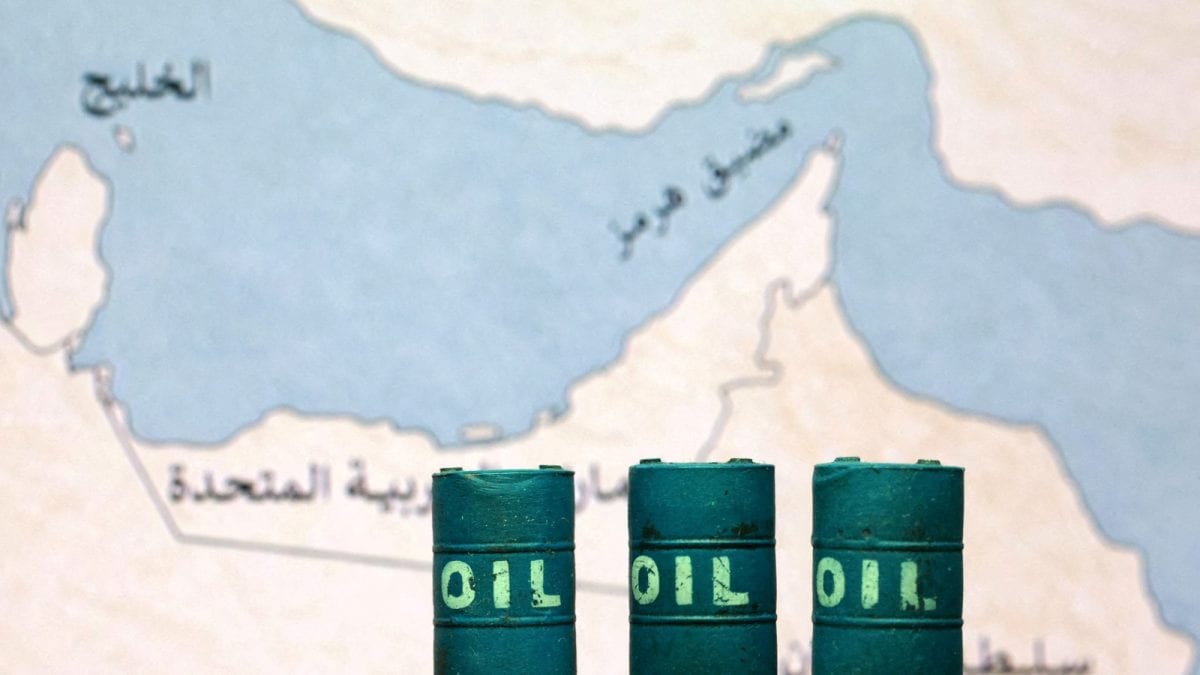
The essential provisions that Donald Trump identifies as non‑negotiable within the forthcoming aGreement focus on two pivotal concerns. First, the aGreement must categorically prevent Iran from advancing any capability that could lead to the development of a nuclear weapons program. Second, the aGreement must guarantee that the strategic waterway known as the Strait of Hormuz remains open, free from obstruction, and secured against any threats that could jeopardize international shipping.
These twin pillars—nuclear limitation and maritime security—are presented as the groundwork for a durable peace that satisfies both regional stability and broader global security interests. Donald Trump stresses that without these guarantees, any cease‑fire would remain fragile and susceptible to rapid deterioration.
Warning of Escalated Military Action if Terms Are Violated
Donald Trump has warned that should Iran fail to honor the stipulated conditions, the United States will respond with a heightened level of military activity. The warning is framed as a direct consequence of non‑compliance, indicating that an expansion of force could be swift and extensive.
The language used by Donald Trump suggests that the United States is prepared to transition from a defensive posture to a more assertive stance, employing additional resources and potentially broader operational scopes to enforce the aGreement’s requirements. The threat of larger‑scale action serves as a deterrent aimed at compelling adherence.
Strategic Rationale Behind Maintaining a Persistent US Military Presence
Donald Trump’s decision to keep US military assets positioned around Iran rests on a strategic calculus that seeks to balance diplomatic engagement with a credible show of force. By retaining ships, aircraft, and personnel, the United States ensures that any breach of the aGreement can be met with immediate, decisive action.
Maintaining a forward‑deployed posture also signals to regional actors that the United States remains committed to safeguarding the flow of commerce through the Strait of Hormuz, a chokepoint through which a substantial portion of the world’s oil supply transits. This commitment reinforces the United States’ role as a guarantor of maritime security and a stabilizing influence in a volatile region.
Implications for Regional Security and International Trade
The continued deployment of US military forces as articulated by Donald Trump carries significant implications for both regional security dynamics and the uninterrupted movement of global trade. By insisting on a robust presence, the United States aims to deter any unilateral attempts to disrupt the free passage of vessels through the Strait of Hormuz.
Furthermore, the emphasis on preventing Iran from acquiring nuclear capabilities aligns with broader non‑proliferation objectives that resonate with a wide array of international partners. The United States’ stance underscores a commitment to uphold a rules‑based order that discourages nuclear escalation and protects critical trade arteries.
Potential Scenarios if the Comprehensive AGreement Falters
Donald Trump outlines a clear contingency should the comprehensive aGreement collapse or be ignored. In such a scenario, the United States would likely mobilize additional naval and air assets, increase the readiness level of forces stationed in the region, and possibly conduct targeted operations aimed at neutralizing any emerging threats.
This approach reflects a doctrine of proportional response, where the scale of the United States’ military reaction matches the severity of the breach. By pre‑stating this potential escalation, Donald Trump seeks to establish a deterrent effect that discourages any deviation from the aGreed terms.
Domestic and International Reactions to the Declaration
While the statement from Donald Trump is primarily focused on operational details, it inevitably prompts a spectrum of responses from various stakeholders. Domestic audiences interpret the continued presence of US military forces as a signal of strength and resolve, reinforcing the notion that the United States will not compromise on core security interests.
International partners, particularly those reliant on the uninterrupted flow of energy resources through the Strait of Hormuz, view the declaration as an affirmation of US commitment to safeguarding global trade routes. Simultaneously, the explicit warning of larger‑scale action serves as a reminder to all parties that any violation will encounter a swift and potent response.
Conclusion: A Firm Stance Until Full Implementation
In sum, Donald Trump’s pronouncement delineates a clear policy: US military forces will remain stationed around Iran for as long as necessary to ensure that a fully realized, enforceable aGreement—one that restricts nuclear development and secures the Strait of Hormuz—is in place. The message is unequivocal, coupling a sustained deterrent posture with a categorical warning of intensified military measures should any party fail to uphold its commitments.
By sustaining this approach, the United States aims to preserve regional stability, protect vital maritime commerce, and uphold a non‑proliferation framework that discourages the spread of nuclear weapons. The continuation of US forces, as articulated by Donald Trump, stands as a testament to a policy that prioritizes both diplomatic resolution and the readiness to act decisively when required.