Even if Iran war ends now, farmers' costs will have to be passed on
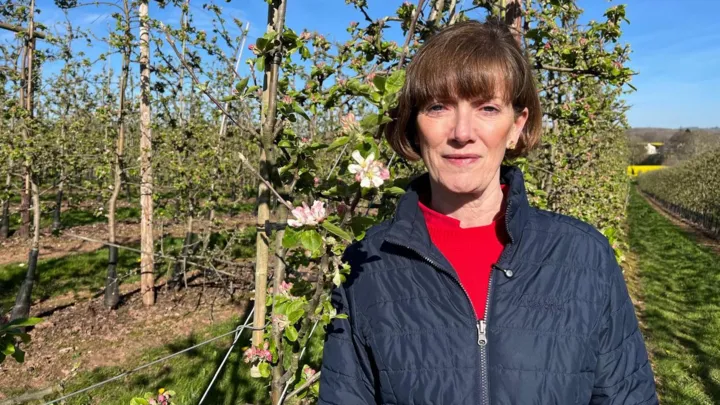
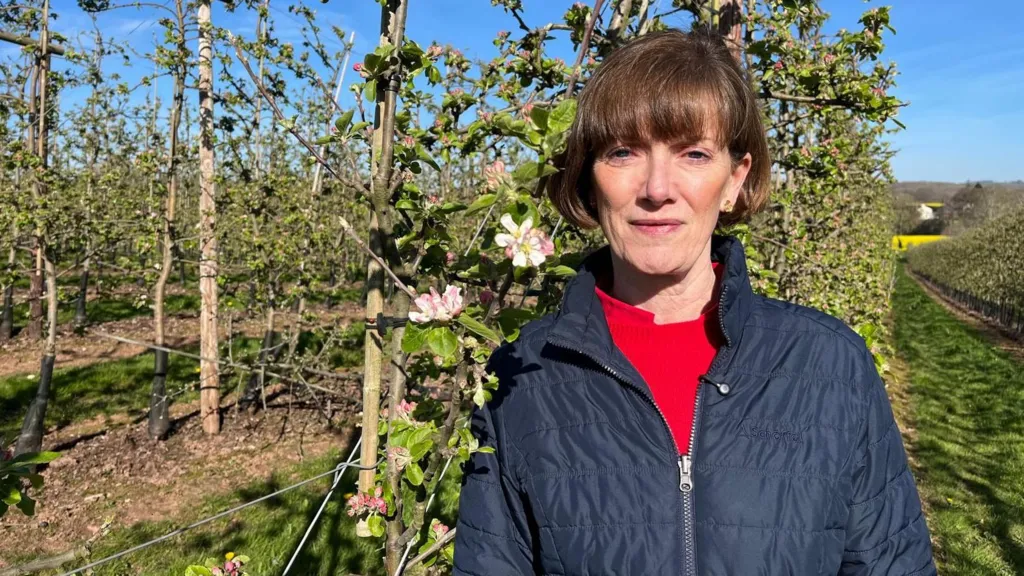
When fruit grower Ali Capper first learned that armed conflict had erupted in Iran, the reaction was visceral. An immediate feeling of nausea was reported, a physical symptom that Ali Capper described as a warning sign of the looming economic shock to the United Kingdom’s horticultural sector.
At a time when planting cycles are at their most critical, British growers are confronting a cascade of rising expenses. The conflict has acted as a catalyst for heightened fuel and fertiliser prices, pushing the cost base of agricultural enterprises to unprecedented levels.
The announcement of a two‑week cease‑fire, intended to open diplomatic channels and halt hostilities, arrives after planting decisions have already been locked in. Ali Capper, representing the collective interests of British apple and pear growers, emphasised that the financial damage is already embedded in this season’s budget. Even if hostilities cease immediately, the price escalations have already been factored into production plans.
Recent analyses reveal that the rate of inflation for farm operating costs has risen by more than seven percent compared with the previous year. This figure reflects a broad-based increase across inputs that are essential to maintaining crop yields and quality.
Independent consultancy The Andersons Centre, recognised for its comprehensive research across the farming sector, released its inaugural estimate of the total economic impact stemming from the Iranian conflict. The Andersons Centre, which also provides analytical support to the Department for Environment Food and Rural Affairs, warned of an additional “cost of farming squeeze” that threatens to erode profit margins across the industry.
The National Farmers Union has received numerous statements from growers indicating that the heightened expenses cannot be absorbed internally. Consequently, a rise in consumer food prices appears inevitable.
‘Brutal’
On a farm located in Suckley, Worcestershire, Ali Capper reported a 40 percent increase in fertiliser expenses, a doubling of the price for red diesel used in tractors, and an approximate 20 percent rise in transport costs. These figures illustrate the multi‑dimensional pressure facing agricultural operations.
Globally, roughly one‑third of fertiliser production passes through the Strait of Hormuz. The closure of this strategic maritime corridor as a result of the conflict has caused a sharp spike in fertiliser prices over recent weeks.
Red diesel, the low‑tax fuel specifically designated for off‑road agricultural machinery, heating systems, and related equipment, has experienced a steep price surge linked to the climbing cost of Brent crude, the international benchmark for oil pricing.
The cumulative effect of these input cost increases filters directly into the final price of food. The Food and Drink Federation projects that, even if the conflict concludes within the next fortnight, United Kingdom food inflation will climb to at least nine percent before the close of the current year.
Ali Capper also anticipates higher charges for plant protection products and packaging materials. The expectation is that these added costs will ultimately be transferred to the retail side of the supply chain, a decision that lies with the supermarkets purchasing the produce.
The apple and pear sector has already endured a 30 percent surge in production costs over the past two years, a consequence of the wider repercussions following the large‑scale invasion of Ukraine by Russia. Ali Capper characterised that earlier period as “really brutal,” noting that the renewed conflict in Iran reignited similar anxieties.
Recalling the aftermath of the Ukraine‑Russia war, Ali Capper highlighted the wave of farm closures and the shift of many operations into loss‑making territory. The sentiment expressed was one of urgency: the system lacks flexibility to weather another comparable shock.
‘One thing after another’
Potato grower Ben Savidge warned that, should red diesel prices remain elevated, the expense of planting a tonne of potatoes could increase by roughly five pounds relative to pre‑conflict levels. Ben Savidge noted that, earlier in the year, red diesel was priced between sixty‑five and seventy pence per litre.
Current purchases for Ben Savidge’s two most recent fuel loads have ranged from ninety‑six pence to just over one pound per litre, representing a substantial jump from the earlier price point.
For the moment, Ben Savidge is absorbing the additional fuel expense in order to fulfil a pre‑existing contract for potato chips destined for processing facilities in Ross‑on‑Wye, Herefordshire. The aGreement, negotiated at the start of the season, locks in a fixed price for the final product, leaving little room for margin adjustments.
Ben Savidge expressed hope that a strong relationship with the contractual partner will enable future price renegotiations, especially as current profit margins have been severely compressed.
The previous year brought an exceptionally dry summer, which reduced yields dramatically. Combined with the present surge in energy costs, the experience feels like a relentless succession of setbacks for Ben Savidge.
Despite the challenges, Ben Savidge affirmed a commitment to continue planting, trusting that market conditions may improve later in the cycle.
‘Busy, difficult and testing’
Fuel procurement officer Patrick Crehan, responsible for sourcing fuel on behalf of a consortium comprising 3,500 agricultural members, described the volatility of recent market movements. Prior to the conflict, Patrick Crehan typically paid around seventy pence per litre for red diesel. Immediately before the cease‑fire announcement, the price escalated to roughly one hundred and thirty pence per litre, before easing slightly in the days that followed.
Patrick Crehan has received reports from growers indicating a growing belief that farming may become financially untenable under current conditions. Some farmers are contemplating opting out of planting entirely in order to avoid incurring costs that cannot be offset by market returns.
Even as the majority of growers press ahead with planting, adopting a “suck it up” mentality that has become commonplace in the sector, Patrick Crehan projects a low probability of achieving a satisfactory return on investment. The steep rises in fertiliser, energy, and fuel prices underpin this bleak outlook.
The firm AF Group, for which Patrick Crehan arranges purchases, typically acquires approximately 120 million litres of fuel each year from a network of distributors across the United Kingdom. This volume positions AF Group among the largest fuel procurement operations in the country.
Despite the absence of an outright fuel shortage, Patrick Crehan described the prevailing climate as “busy, difficult and testing,” emphasizing that the magnitude of price increases is unprecedented in recent memory.