Trump Blames NATO for Inaction During Iran Tension, Cites Greenland in Fiery Online Rant
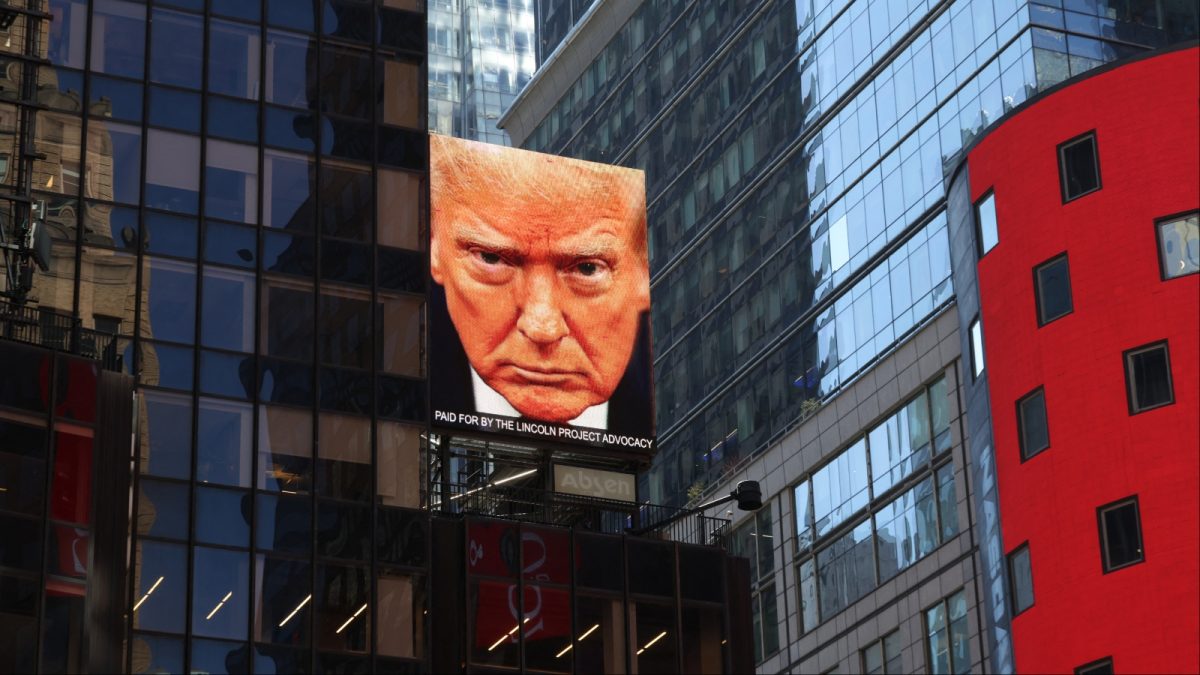
Donald Trump declared that the North Atlantic Treaty Organisation “wasn’t there” for the United States during the Iran crisis and invoked Greenland in a strongly worded social media post.
Context of the Statement
Donald Trump aired a blunt criticism of the North Atlantic Treaty Organisation in an all‑caps message posted on a digital platform after a closed‑door meeting with NATO Secretary‑General Mark Rutte. The message underscored Donald Trump’s lingering dissatisfaction with the alliance’s perceived lack of support during a recent flare‑up involving Iran and the strategic maritime corridor known as the Strait of Hormuz.
In the post, Donald Trump wrote, “NATO WASN’T THERE WHEN WE NEEDED THEM, AND THEY WON’T BE THERE IF WE NEED THEM AGAIN. REMEMBER GreeNLAND, THAT BIG, POORLY RUN, PIECE OF ICE!!!” The statement combined a direct rebuke of the North Atlantic Treaty Organisation with a pointed reference to Greenland, a territory that has featured in past strategic debates involving the United States.
Meeting With NATO Secretary‑General Mark Rutte
The online outburst followed a private encounter between Donald Trump and Mark Rutte. According to the Associated Press, the two leaders convened to address rising tensions that had emerged after the United States signaled frustration over the North Atlantic Treaty Organisation’s response to the Iran incident. The discussion was expected to ease the strain between Donald Trump and the North Atlantic Treaty Organisation leadership.
During the dialogue, Donald Trump revisited the notion that the United States might contemplate exiting the North Atlantic Treaty Organisation if member nations continued to fall short of the support demanded during the crisis surrounding the Strait of Hormuz. The exchange highlighted a continuing rift between the two parties.
Backdrop of the Iran‑Strait of Hormuz Crisis
The confrontation that sparked Donald Trump’s ire centered on a period when Iran effectively shut down traffic through the Strait of Hormuz. The choke point, vital for the flow of global energy supplies, had been obstructed, prompting a surge in fuel prices and heightened geopolitical anxieties. Donald Trump had previously warned of potential United States strikes against Iranian infrastructure, including power plants and bridges, warning that “a whole civilization will die tonight.”
Following the escalation, diplomatic channels facilitated a two‑week ceasefire aGreement that incorporated the reopening of the Strait of Hormuz. The ceasefire, while temporary, offered a breathing space for de‑escalation and allowed commercial vessels to resume passage through the critical waterway.
Ceasefire and Its Immediate Effects
The ceasefire aGreement emerged as a direct response to the mounting pressure caused by the blockage of the Strait of Hormuz. By aGreeing to pause hostilities for a prescribed period, the United States and Iran signaled a willingness to step back from an otherwise potentially catastrophic confrontation. The pause also served to ease the spike in energy costs that had rippled through international markets.
Even with the temporary lull, Donald Trump continued to assert that the North Atlantic Treaty Organisation fell short of the assistance expected during the peak of the crisis. The sentiment expressed in the social media post underscored a broader narrative that the alliance’s collective defence mechanisms had not been fully mobilised when the United States required them most.
White House Commentary on NATO Exit Possibility
In the aftermath of the summit with Mark Rutte, White House press secretary Karoline Leavitt confirmed that Donald Trump had broached the subject of a United States withdrawal from the North Atlantic Treaty Organisation. Karoline Leavitt remarked, “I think it’s something the president will be discussing in a couple of hours with Secretary‑General Rutte.” The statement reinforced the idea that the notion of exiting the alliance remained on the agenda for further deliberation.
Karoline Leavitt’s acknowledgment aligned with Donald Trump’s longstanding critique of the North Atlantic Treaty Organisation, wherein Donald Trump has consistently argued that member nations should shoulder a greater share of the financial and operational responsibilities associated with collective defence.
Foundational Principles of the North Atlantic Treaty Organisation
The Associated Press highlighted that the North Atlantic Treaty Organisation was established in the aftermath of a major global conflict to counteract threats to European stability. Central to the alliance’s charter is a mutual defence pledge that obligates each of the thirty‑two member states to consider an attack on any single member as an attack on all members. This cornerstone, commonly known as Article 5, has been invoked only once in the alliance’s history, following the terrorist attacks on the United States on September 11, 2001.
By invoking this principle, the North Atlantic Treaty Organisation affirms its commitment to collective security, a commitment that Donald Trump has repeatedly questioned in light of the perceived shortfall during the Iran‑Strait of Hormuz episode.
Implications of the Rhetoric for Transatlantic Relations
Donald Trump’s public denunciation of the North Atlantic Treaty Organisation and the suggestion of a possible United States departure from the alliance carry weighty implications for the broader transatlantic partnership. The United States has historically been a cornerstone of the collective security framework that underpins the North Atlantic Treaty Organisation’s operations, and any hint at withdrawal raises concerns among European members regarding strategic continuity and burden‑sharing.
Moreover, the reference to Greenland—an area of strategic interest for the United States—serves to underscore a pattern of criticism that extends beyond immediate military cooperation to encompass broader geopolitical interests. By singling out Greenland in the same breath as the North Atlantic Treaty Organisation, Donald Trump draws attention to longstanding debates about the territory’s role in United States defense planning.
Analysis of Donald Trump’s Position on Alliance Contributions
Donald Trump’s long‑standing narrative emphasises that member nations of the North Atlantic Treaty Organisation must increase their financial contributions toward defence spending. The critique centres on the perception that certain European members have not met aGreed‑upon spending targets, thereby placing a disproportionate burden on the United States. By reiterating these points after the meeting with Mark Rutte, Donald Trump reinforces a demand for a re‑balanced allocation of resources within the alliance.
The insistence on greater cost‑sharing aligns with a broader domestic political agenda that stresses fiscal responsibility and fair distribution of defence obligations. Consequently, the public statements made by Donald Trump serve both an international diplomatic purpose and a domestic political narrative that advocates for a more equitable financial partnership within the North Atlantic Treaty Organisation.
Potential Paths Forward for the Alliance
In light of the public exchange between Donald Trump and Mark Rutte, the North Atlantic Treaty Organisation faces a crossroads that demands careful navigation. On one hand, the alliance must address the concerns raised by Donald Trump regarding the adequacy of collective response during emergencies. On the other hand, the alliance must safeguard its fundamental principle of mutual defence, ensuring that any perceived gaps do not undermine confidence among member states.
Possible avenues for reconciliation could involve a renewed strategic dialogue that focuses on clarifying operational commitments during crises, reaffirming the mechanisms that trigger Article 5, and reviewing financial contribution frameworks to achieve a more balanced burden‑sharing arrangement. Such steps could help to mitigate the rhetoric that threatens to destabilise the long‑standing partnership between the United States and the North Atlantic Treaty Organisation.