Background: Rising Tensions Over the Strait of Hormuz
The strategic maritime corridor known as the Strait of Hormuz has long served as a conduit for a substantial share of the world’s oil supply. Any disruption to traffic through this narrow passage instantly triggers concerns over global energy markets, price volatility, and geopolitical stability. In recent weeks, a series of escalatory actions by Iranian forces, coupled with retaliatory strikes from regional adversaries, heightened the risk of a prolonged closure. The White House, monitoring the potential economic fallout, sought a diplomatic avenue to temporarily halt hostilities and restore the uninterrupted flow of petroleum products.
Within the United States administration, senior policymakers expressed alarm over the prospect of soaring oil prices and the broader implications for international trade. At the same time, President Donald Trump adopted a public posture that underscored a willingness to deploy overwhelming force unless Tehran acquiesced to United States demands. This dual approach—publicly aggressive yet secretly conciliatory—set the stage for a covert diplomatic initiative that would rely on a third‑party intermediary.
Pakistan’s Role as a Neutral Intermediary
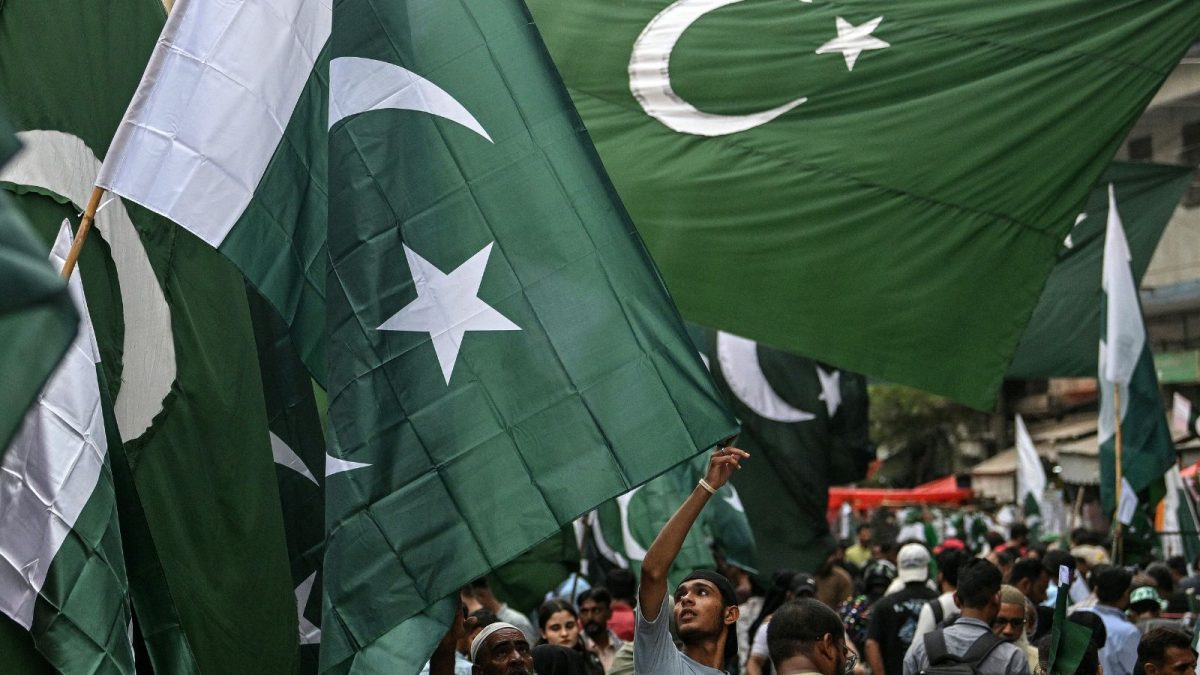
Pakistan, situated geographically adjacent to Iran and sharing cultural and religious ties, emerged as a logical conduit for back‑channel communication. The nation’s status as a Muslim‑majority neighbor endowed it with a perception of neutrality that could be leveraged to present proposals without the baggage of direct involvement by the United States or Iran. Field Marshal Asim Munir, the chief of Pakistan’s military, was tasked with coordinating the quiet diplomatic engagement, conducting frequent liaison calls and arranging face‑to‑face meetings among the principal actors.
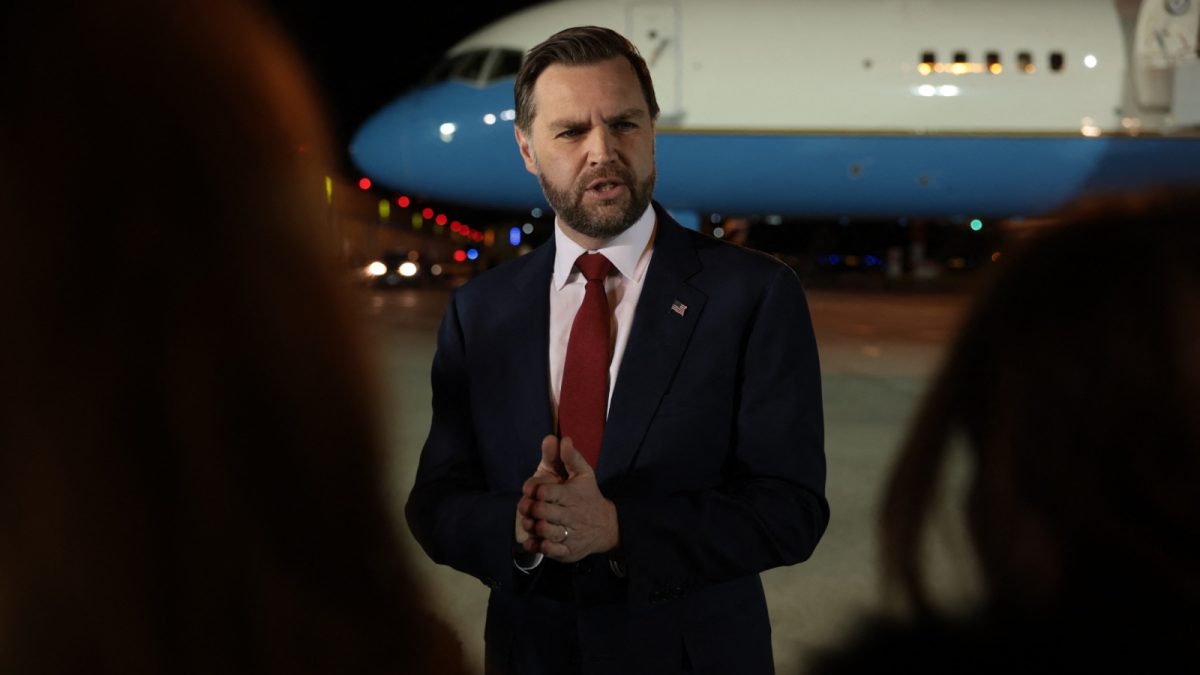
Field Marshal Asim Munir’s involvement was characterized by a series of high‑level telephone conversations with President Donald Trump, Vice President JD Vance, and Special Envoy Steve Witkoff. Over the course of several days, these calls focused on refining the terms of a proposed cease‑fire, assessing Iranian reactions, and calibrating the timing of public statements. The Pakistani diplomatic team simultaneously maintained contact with Iranian Foreign Minister Abbas Araghchi, ensuring that Tehran’s perspectives were incorporated into the evolving proposal.
Prime Minister Shehbaz Sharif publicly amplified the diplomatic effort by posting the draft proposal on a public social‑media platform, signaling both transparency and urgency. The post, labeled “draft – Pakistan’s PM message on X,” conveyed the immediacy of the negotiations and underscored the willingness of Islamabad to serve as a venue for forthcoming talks.
Negotiation Framework: Draft Proposals and Response Packages
The negotiation process unfolded around a United States‑drafted fifteen‑point proposal that addressed a range of issues, including the duration of a cease‑fire, the reopening of the Strait of Hormuz, and conditions for de‑escalation across the broader region. Iran responded with a combination of five‑point and ten‑point counter‑proposals, offering alternative timelines and stipulations that reflected the internal calculations of Tehran’s leadership.
Among the options considered were cease‑fire periods extending up to forty‑five days, as well as shorter two‑week intervals that would provide a rapid window for the resumption of commercial shipping. The discussions also touched on the contentious matter of Iranian control over the Strait and the potential implementation of tolls, an element that prompted reservations within Pakistan’s diplomatic circles.
The divergent proposals required careful alignment, with Field Marshal Asim Munir acting as the conduit for transmitting revisions, clarifications, and strategic concessions between the United States and Iran. The iterative nature of the talks reflected both sides’ desire to avoid a complete breakdown while preserving core strategic interests.
President Donald Trump’s Public Threats and Subsequent De‑escalation
Amid the intensive diplomatic maneuvering, President Donald Trump maintained a public narrative that emphasized the willingness of the United States to unleash a devastating strike campaign if Tehran failed to accept United States terms. The rhetoric included references to the destruction of Iran’s “whole civilization,” specifically targeting critical infrastructure such as bridges and power plants.
Less than two hours before a self‑imposed deadline, President Donald Trump announced a suspension of the imminent strike threat, aligning the public posture with the back‑channel achievement of a two‑week cease‑fire arrangement. This strategic retreat allowed the United States to present a conciliatory stance while preserving the leverage achieved through the diplomatic conduit.
Iran’s Supreme National Security Council subsequently confirmed acceptance of the provisional two‑week cease‑fire and indicated readiness to commence negotiations in Islamabad. The timing of the public withdrawal of threats and the acceptance of the cease‑fire highlighted the delicate balance between coercive pressure and diplomatic engagement that defined the United States approach.
Internal Dynamics Within Iran: IRGC Divisions and Policy Hesitations
Within Iran, the Islamic Revolutionary Guard Corps (IRGC) exhibited a split between factions supportive of a pause in hostilities and those vehemently opposed to any arrangement that might diminish control over the Strait of Hormuz. The Financial Times described the IRGC as fractured, with hard‑line elements expressing skepticism toward a cessation that could be interpreted as a concession to external powers.
Iranian officials had reportedly reached an initial aGreement in principle to support a cease‑fire‑for‑Hormuz framework, yet the final endorsement from the IRGC remained elusive. Certain segments within the IRGC resisted the notion of easing restrictions on the maritime corridor, fearing that such measures could undermine the organization’s strategic leverage in regional affairs.
The internal debate extended to the content of Iran’s ten‑point proposal, particularly clauses related to the acceptance of nuclear enrichment protocols. The Farsi‑language version of the proposal referenced “acceptance of enrichment,” a phrase that was notably absent from English translations presented to international journalists, raising questions about interpretive discrepancies.
International Reactions: Israel, Hezbollah, and Regional Stakeholders
Israel expressed conditional support for the United States‑brokered cease‑fire, emphasizing that the aGreement did not extend to ongoing hostilities with Hezbollah in Lebanon. Prime Minister Benjamin Netanyahu’s office clarified that Israel’s endorsement was contingent upon Iran’s immediate reopening of the Strait of Hormuz and the cessation of attacks directed at the United States, Israel, and regional partners.
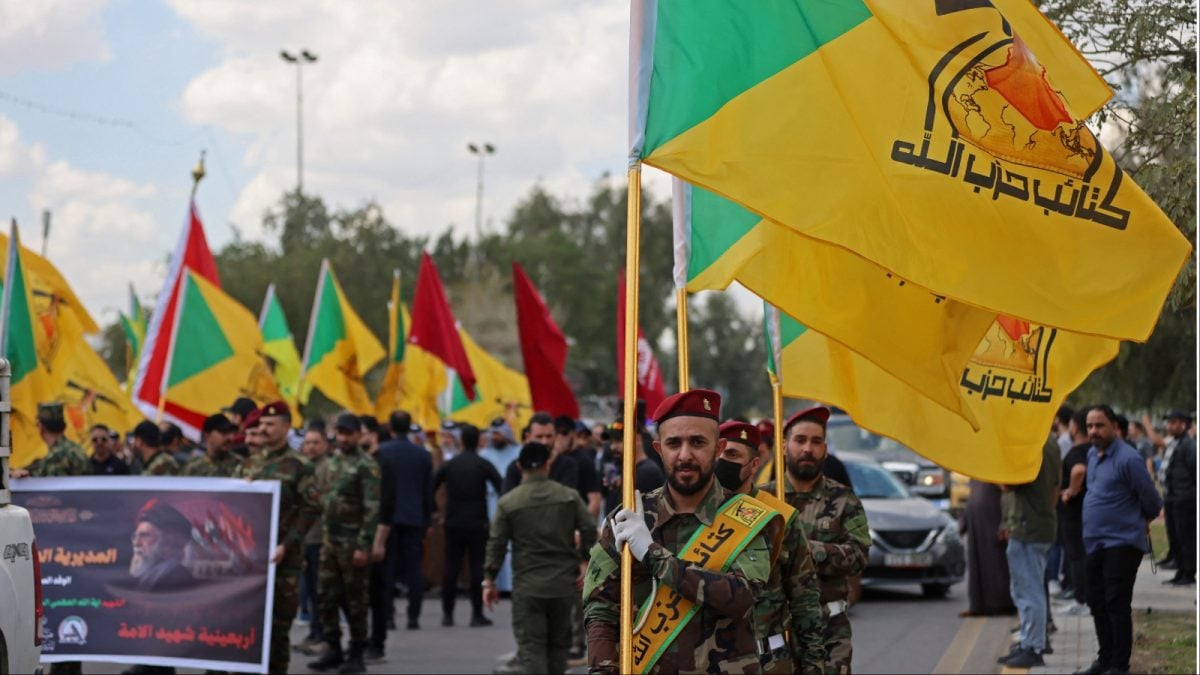
Hezbollah, backed by Iran, continued its engagements with Israeli forces, a dynamic that both the United States and Israel identified as a potential “spoiler” capable of destabilizing the fragile truce. Pakistani officials warned that the proliferation of such spoilers could threaten the durability of the cease‑fire, especially given the unresolved conflict between Israel and the Iran‑aligned Lebanese militant group.
Hard‑line demonstrators in Tehran rallied against the cease‑fire announcement, chanting slogans that called for the death of America, Israel, and those perceived as compromising. Protestors burned United States and Israeli flags, underscoring the domestic resistance within Iran to any perceived concession.
Planned Negotiations in Islamabad: Participants and Expectations
President Masoud Pezeshkian of Iran confirmed via a telephone conversation with Prime Minister Shehbaz Sharif that Iranian delegations would travel to Islamabad to engage directly with the United States team. Pakistani officials indicated that Vice President JD Vance and Special Envoy Steve Witkoff were expected to attend the talks alongside Iranian Foreign Minister Abbas Araghchi, parliamentary Speaker Mohammad Ghalibaf, and a senior IRGC representative.
The upcoming discussions were framed as a critical step toward solidifying the provisional cease‑fire terms, addressing lingering ambiguities in the Iranian ten‑point framework, and establishing mechanisms for monitoring compliance. All parties expressed a shared interest in preventing a resurgence of conflict that could jeopardize the reopening of the Strait of Hormuz.
Despite optimism, officials cautioned that the presence of “many spoilers” could still undermine progress. The term referred not only to militant actors such as Hezbollah but also to internal factions within Iran and external actors who might seek to derail the aGreement for strategic gain.
Potential Implications for Global Energy Markets and Regional Stability
The successful negotiation of a two‑week cease‑fire holds significant implications for global energy markets. By enabling the uninterrupted flow of oil through the Strait of Hormuz, the aGreement mitigates the risk of price spikes that could arise from a prolonged closure. Moreover, the diplomatic outcome demonstrates the capacity of regional actors, notably Pakistan, to facilitate conflict de‑escalation through back‑channel engagement.
From a strategic perspective, the episode underscores the delicate interplay between coercive military posturing and diplomatic negotiation. President Donald Trump’s public threats provided leverage that may have compelled Tehran to consider the cease‑fire, while the simultaneous diplomatic efforts led by Field Marshal Asim Munir offered a viable pathway to de‑escalation without resorting to direct conflict.
Future stability will hinge on the ability of the involved parties to honor the provisional terms, address the internal divisions within the IRGC, and manage the influence of external spoilers. The continuation of negotiations in Islamabad will be closely observed by international observers, as the outcomes could set precedents for handling similar maritime chokepoint crises in the future.