World

IDF Says Strike in Beirut Eliminated Hezbollah Deputy Leader Na’im Qassem

By Editorial Team
Thursday, April 9, 2026
5 min read
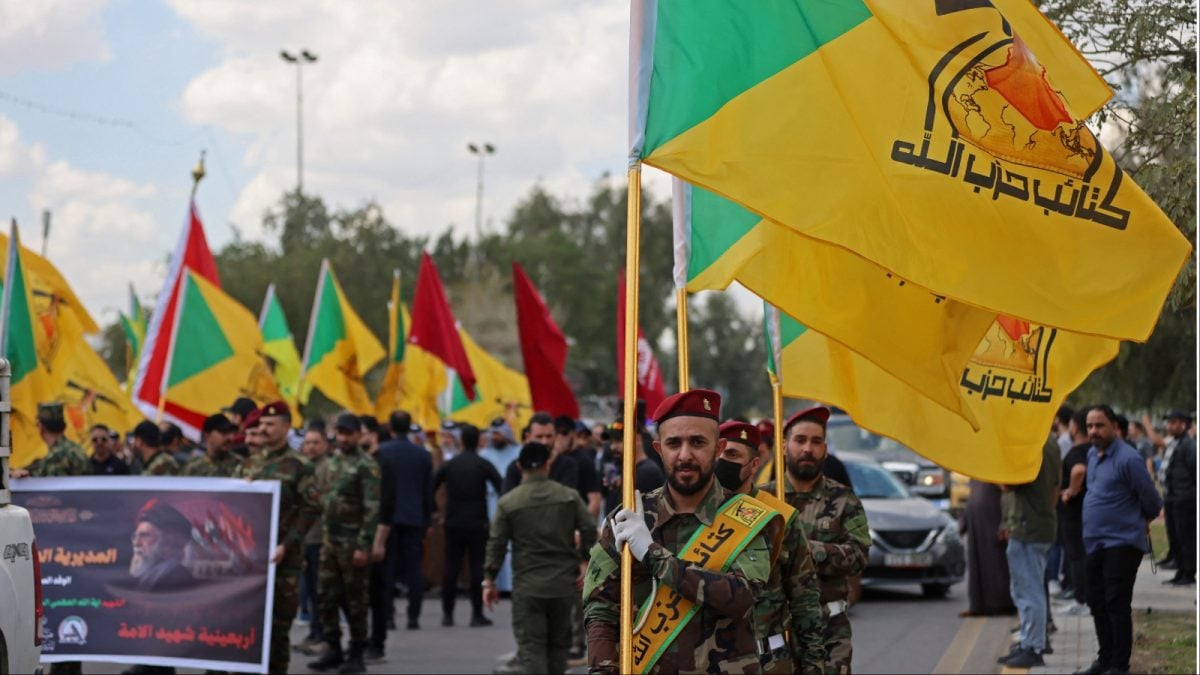
Israeli forces conducting an operation in Beirut, related to the reported strike on Hezbollah leadership.
Visual representation of the area where the IDF reported the strike on Hezbollah figures.

Statement from the Israel Defence Forces on the elimination of a senior Hezbollah figure

The Israel Defence Forces released a concise yet striking declaration on the public forum, asserting that a focused operation in the Lebanese capital resulted in the death of Na’im Qassem, who holds the position of deputy secretary‑general within the Hezbollah movement. The post emphasized that this removal was part of a coordinated series of attacks targeting multiple terror‑related installations in the southern segment of Lebanon.

According to the official communication, the specific target – Na’im Qassem – was identified as a high‑ranking official who plays a pivotal role in the organisational hierarchy of Hezbollah. The wording of the statement underscores the perception held by the Israeli military that neutralising individuals in such positions directly impacts the operational capabilities of the group.

The communication was disseminated through the platform X, a social media channel commonly utilized by the IDF to relay real‑time information to both domestic and international audiences. By employing this medium, the military seeks to present its narrative promptly, ensuring that its perspective reaches a wide range of observers without delay.

Additional target: senior aide and relative to Na’im Qassem

Accompanying the announcement regarding Na’im Qassem, the Israel Defence Forces also highlighted the elimination of another individual closely associated with the Hezbollah leadership. The second figure, Ali Yusuf Kharshi, was described as the personal secretary to the organisation’s secretary‑general and as a nephew of Na’im Qassem.

The IDF’s statement articulated that Ali Yusuf Kharshi was struck in the same geographical area of the capital, reiterating the focus on disrupting the internal network that supports Hezbollah’s command structure. By naming the familial link, the military underscores the perception of a tightly knit leadership circle, suggesting that the removal of multiple connected individuals could have compounded effects on the group’s cohesion.

The claim of eliminating Ali Yusuf Kharshi follows the same pattern of language used for Na’im Qassem, stressing the precision and intent behind the operation. The inclusion of this detail expands the picture of the Israeli side’s strategic approach, which appears to target not only senior officials but also those in supporting roles who facilitate the day‑to‑day functioning of the movement.

Context of the broader operation in southern Lebanon

Alongside the statements concerning the two individuals in Beirut, the Israel Defence Forces referenced a series of attacks carried out in the southern part of the country. The description of these strikes as targeting "terror infrastructures" suggests a wider campaign aimed at degrading the logistical and weapons‑related capabilities of Hezbollah across multiple locations.

While specific sites or the nature of the infrastructure were not enumerated in the brief announcement, the phrasing implies a systematic effort to dismantle facilities that are considered integral to the group’s military apparatus. By linking the actions in Beirut with those in the south, the IDF portrays a coordinated, multi‑theater operation designed to address both leadership and material assets simultaneously.

This approach aligns with a longstanding doctrine employed by the Israeli military in past engagements, where strikes are calibrated to hit both high‑level personnel and the operational bases that sustain armed activities. The emphasis on a comprehensive strike package highlights an intention to create layered pressure on Hezbollah, disrupting command, control, and supply chains in tandem.

Absence of confirmation from Hezbollah

In the wake of the Israeli claim, the response—or lack thereof—from the Hezbollah organization has been noted. No official statement confirming or denying the reported deaths has been made publicly by Hezbollah at the time of the IDF’s announcement.

The silence could be interpreted in several ways, but the factual observation remains that the group has not provided any verification of the Israeli account. The absence of a direct rebuttal maintains a level of uncertainty around the actual outcome of the operation, leaving observers to rely on the statements issued by the parties involved.

Given the history of information exchange and propaganda between the two sides, the lack of an immediate response from Hezbollah does not necessarily confirm or refute the claims, but it does underscore the contested nature of such reports in the broader conflict narrative.

Implications for the Israeli‑Hezbollah dynamic

The announcement of the purported elimination of Na’im Qassem and Ali Yusuf Kharshi reflects an escalation in the ongoing strategic contest between Israel and Hezbollah. By targeting high‑ranking officials, the Israeli military signals an intent to directly weaken the leadership echelon of the group.

If the claims are accurate, the removal of a deputy secretary‑general could create a vacuum within the organisational hierarchy, potentially prompting internal reshuffling or a temporary disruption in decision‑making processes. Similarly, the loss of a personal secretary closely tied to the top leadership might affect daily operational coordination and communication channels.

From a broader perspective, these actions fit within a pattern of pre‑emptive or retaliatory strikes that aim to curtail the capacity of Hezbollah to mobilise, arm, or execute attacks against Israeli targets. The dual focus on personnel and infrastructure suggests a multi‑dimensional strategy intended to impede both the command structure and the logistical backbone of the group.

Historical backdrop of Israeli operations against Hezbollah

Hezbollah, formed as a socio‑political and armed movement within Lebanon, has a long‑standing adversarial relationship with Israel that has manifested in numerous confrontations over the years. The organization has been involved in a series of armed engagements, both direct and indirect, with the Israeli military, leading to a cycle of action and retaliation.

Israel has repeatedly characterised Hezbollah as a terrorist entity, emphasising the group's alleged involvement in cross‑border attacks, rocket fire, and other forms of aggression. In response, the Israeli Defence Forces have conducted multiple operations that target both combatants and the facilities that support the group's military activities.

Within this historical context, the present claim concerning Na’im Qassem and Ali Yusuf Kharshi can be viewed as a continuation of a broader operational doctrine that seeks to degrade the group's effectiveness by striking at its leadership and logistical components. The pattern of targeting senior officials reflects an ongoing tactical preference for high‑impact actions that could alter the organisational dynamics of Hezbollah.

Strategic messaging and information warfare

The public disclosure of the operation through a social media platform serves a dual purpose. First, it provides the Israeli public and allied audiences with a narrative that highlights the perceived successes of the military. Second, it functions as a strategic communication tool aimed at shaping the broader perception of the conflict.

By broadcasting the elimination of specific individuals, the IDF attempts to demonstrate operational reach and precision, thereby reinforcing a message of deterrence. The emphasis on "terror infrastructures" in the southern region further amplifies the portrayal of a comprehensive campaign designed to neutralise threats before they materialise.

Information dissemination in this manner is a hallmark of modern conflict, where controlling the narrative can be as influential as the kinetic outcomes on the ground. The choice to release concise statements that identify names and roles helps to personalize the action, making the event more tangible to observers and potentially influencing public opinion.

Potential reactions and next steps

While the immediate response from Hezbollah has not been documented, the broader regional actors and observers will likely monitor the situation closely. The reported strikes could prompt internal assessments within Hezbollah regarding succession, security protocols, and retaliation strategies.

Similarly, Israeli officials may use the claimed outcomes to justify further actions aimed at dismantling additional elements of the group's network. The interplay between reported successes and subsequent operational choices will shape the immediate trajectory of the conflict.

In the absence of independent verification, the claims remain contested, leaving analysts to interpret the significance based on the available statements and historical patterns of engagement between the two sides.
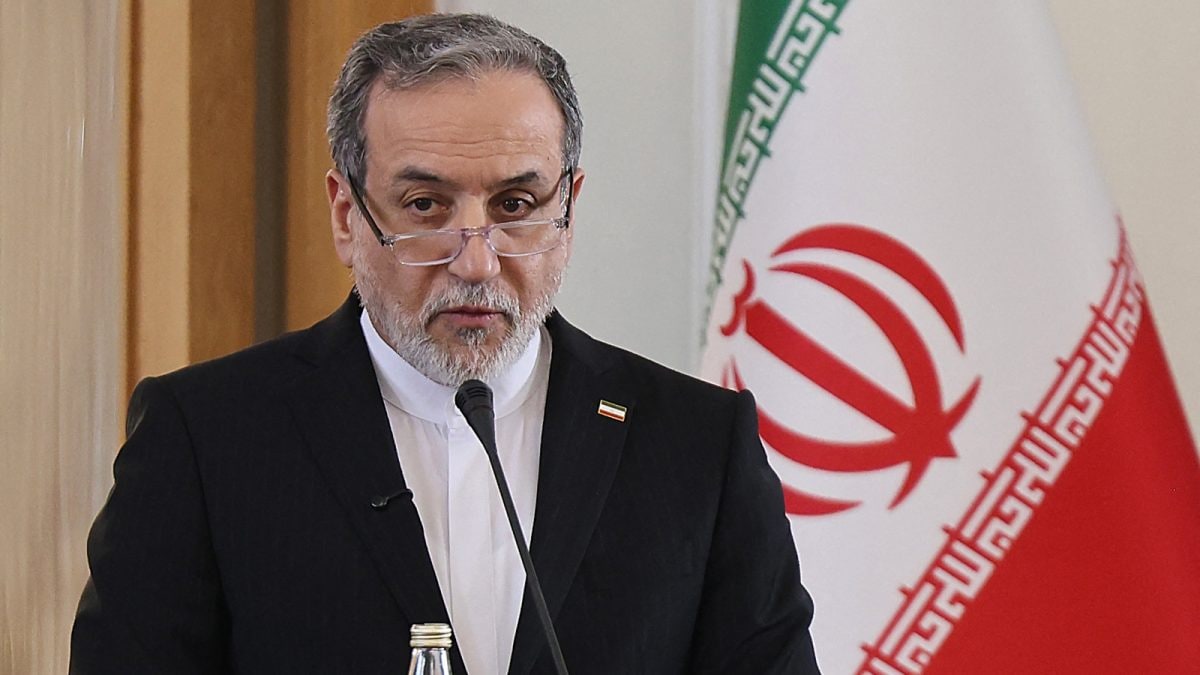
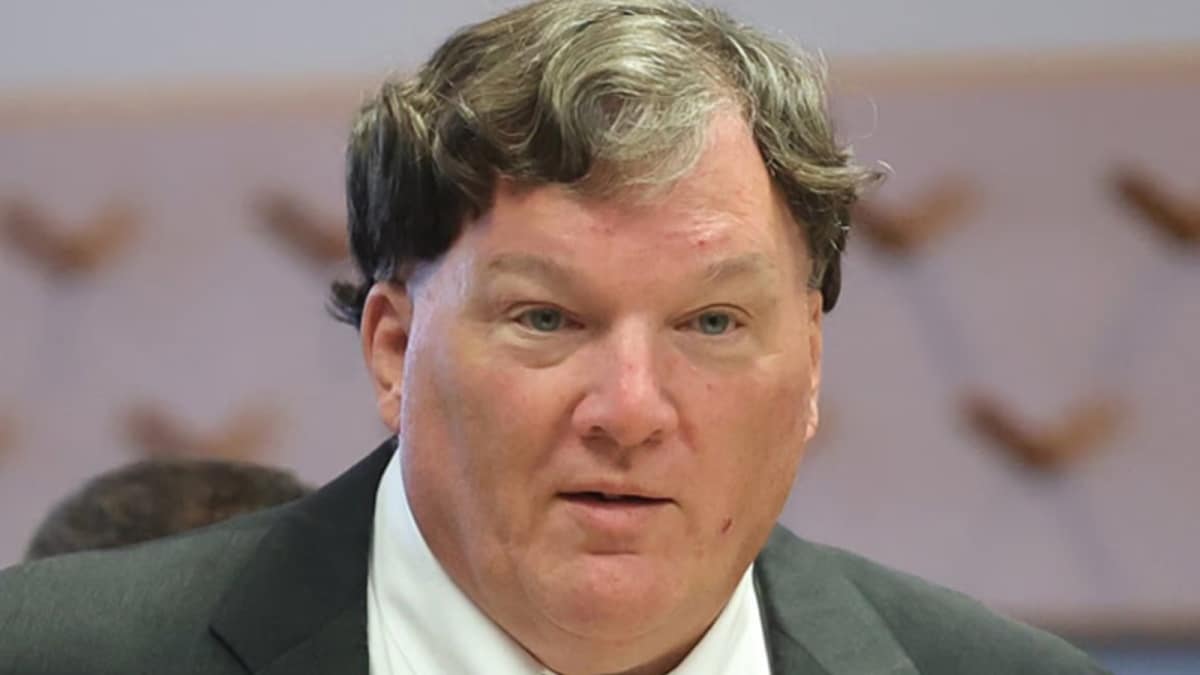
Report compiled from publicly available statements issued by the Israel Defence Forces and observed developments concerning Hezbollah.
#sensational#world#global#trending

More from World

View All
Iranian Diplomat Issues Stark Ultimatum to United States Over Lebanon Conflict
World

Iranian Diplomat Issues Stark Ultimatum to United States Over Lebanon Conflict

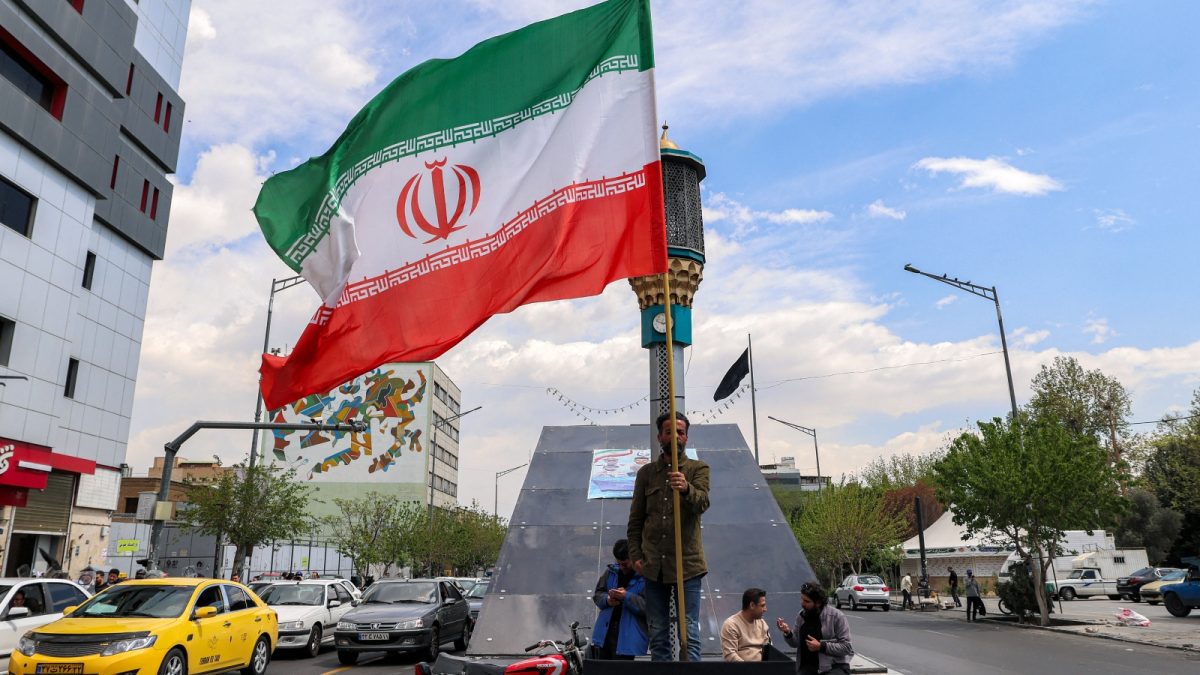
Iranian Foreign Minister Abbas Araghchi delivered a forceful declaration urging the United States to make a clear decision: either uphold a cease‑fire arrangement that includes halting hostilities in Lebanon or continue to support Israel’s ongoing military campaign in the region. The warning came in the wake of Israel’s announcement of its most extensive series of attacks across Lebanon since the initiation of a new military operation earlier in the year, an offensive that the Lebanese Civil Defence reports has caused more than two hundred fifty fatalities and over a thousand injuries. Iran maintains that a ten‑point cease‑fire proposal, which the United States has accepted in principle and which was brokered by Pakistan, explicitly calls for a cessation of attacks on all fronts, Lebanon included. United States Vice President JD Vance, however, has rejected this interpretation, insisting that the cease‑fire does not extend to Lebanon and attributing the disagreement to a “legitimate misunderstanding” in the negotiation process. This divergence highlights the early challenges facing diplomats as they strive to solidify a broader peace framework, even as a United States delegation prepares to travel to Pakistan for additional talks. The stakes are high, with both sides emphasizing the potential ramifications of a breakdown in negotiations, while also warning that any misstep could deepen the regional conflict.

Apr 9, 2026
Cross‑Border Terror Plot Thwarted: Pakistani‑Canadian National Confesses ISIS‑Inspired Attack on Brooklyn Chabad House
World

Cross‑Border Terror Plot Thwarted: Pakistani‑Canadian National Confesses ISIS‑Inspired Attack on Brooklyn Chabad House

In a striking case that highlights the growing danger of transnational radicalisation, a 21‑year‑old Pakistani national residing in Canada admitted in a United States federal courtroom to plotting an ISIS‑inspired assault on a Jewish community centre in Brooklyn, New York. The scheme, centered on the use of AR‑style rifles and timed to coincide with the anniversary of a high‑profile attack in the Middle East, was intercepted after the suspect, Muhammad Shahzeb Khan, engaged in extensive online communication with individuals he believed to be co‑conspirators, only to discover that these contacts were undercover agents from the FBI. The investigation culminated in Muhammad Shahzeb Khan’s arrest while attempting an illegal crossing of the US‑Canada border with assistance from a human smuggler. A coordinated effort among the FBI, the New York Police Department and Canadian authorities led to the seizure of weapons, the disruption of the plot and the filing of terrorism‑related charges that could result in a life sentence. Officials emphasise that the case exemplifies the so‑called “lone‑wolf” dynamic where extremist propaganda fuels individual actors, while also underscoring the broader implications for diaspora communities, diplomatic missions, and the necessity for heightened intelligence sharing between allied nations. This episode adds to a series of recent threats targeting Indian diplomatic sites, Hindu temples, and Jewish‑Indian community institutions across the globe, reinforcing calls for vigilant monitoring of passport holders and more robust cross‑border collaboration to counter evolving terror tactics.

Apr 9, 2026

Latest Headlines

Ranveer Singh Teams Up with Mohit Chauhan for a Spirited Rendition of “Dooba Dooba” at Anant Ambani’s Birthday Bash, Fans Rave
Movies

Ranveer Singh Teams Up with Mohit Chauhan for a Spirited Rendition of “Dooba Dooba” at Anant Ambani’s Birthday Bash, Fans Rave

A vibrant video has captured Ranveer Singh joining forces with Mohit Chauhan and Mankeet Singh for an impromptu performance of the classic track “Dooba Dooba Rehta Hoon” during Anant Ambani’s lavish birthday celebration. The footage, initially shared on social media, showcases Ranveer Singh’s effortless vocal confidence, Mohit Chauhan’s timeless melody, and Mankeet Singh’s supportive presence, creating a moment that quickly went viral among fans and industry insiders alike. Observers praised Ranveer Singh for surprising the crowd with genuine musical talent, noting how the collaboration added an unexpected layer of joy to an event already populated by high‑profile celebrities such as Shah Rukh Khan, Salman Khan, Ananya Panday, Shanaya Kapoor, and Boney Kapoor. The shared post on Instagram, authored by Mankeet Singh, highlighted the heartfelt camaraderie among the three performers, underscoring the genuine love for music that united them. Commentary across platforms emphasized the rarity of such spontaneous, unscripted sessions, positioning the performance as a highlight of the celebration and cementing Ranveer Singh’s reputation as an entertainer who effortlessly blends acting, dancing, and singing. The viral clip continues to ignite conversations about celebrity collaborations, the power of music to bridge personalities, and the sheer delight that arises when stars let their authentic selves shine in front of a live audience.

Apr 9, 2026
Prime Minister Narendra Modi Denounces Trinamool Congress Governance in Asansol Rally, Calls for Change in West Bengal
India

Prime Minister Narendra Modi Denounces Trinamool Congress Governance in Asansol Rally, Calls for Change in West Bengal

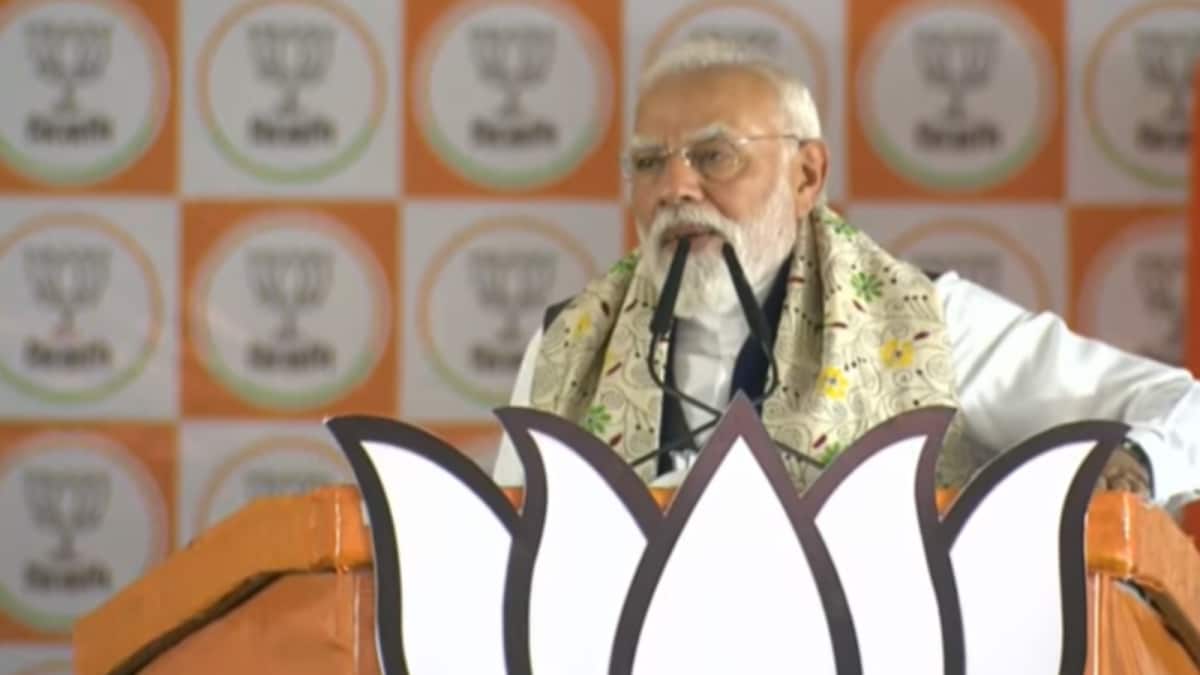
In a high‑energy gathering at Asansol, Prime Minister Narendra Modi launched a forceful critique of Chief Minister Mamata Banerjee and the Trinamool Congress, asserting that the party’s rule has devastated West Bengal’s economic prospects and fostered corruption. The speech emphasized that West Bengal, once celebrated for its prosperity, now faces job scarcity and stalled development, attributes Prime Minister Narendra Modi linked directly to the governance style of Trinamool Congress. Citing a recent incident in Malda, Prime Minister Narendra Modi portrayed the episode as evidence of law‑breaking behavior by Trinamool Congress workers and a further sign of the party’s disregard for public order. Prime Minister Narendra Modi urged the electorate to reject what he described as the “mafia rule” of Trinamool Congress, promising that a government led by the Bharatiya Janata Party would rejuvenate Asansol, the Durgapur region, and the broader state. Highlighting the historic courage of West Bengal’s people during earlier political periods, Prime Minister Narendra Modi called for a decisive vote that would usher in a new era of growth, transparency, and security under the Bharatiya Janata Party. The rally’s rhetoric, combined with a vivid portrayal of the challenges facing West Bengal, set a stark contrast between the alleged failures of Trinamool Congress and the promised renewal promised by the Bharatiya Janata Party, positioning the upcoming polls as a pivotal moment for the region’s future.

Apr 9, 2026
Iranian Diplomat Issues Stark Ultimatum to United States Over Lebanon Conflict
World

Iranian Diplomat Issues Stark Ultimatum to United States Over Lebanon Conflict

Iranian Foreign Minister Abbas Araghchi delivered a forceful declaration urging the United States to make a clear decision: either uphold a cease‑fire arrangement that includes halting hostilities in Lebanon or continue to support Israel’s ongoing military campaign in the region. The warning came in the wake of Israel’s announcement of its most extensive series of attacks across Lebanon since the initiation of a new military operation earlier in the year, an offensive that the Lebanese Civil Defence reports has caused more than two hundred fifty fatalities and over a thousand injuries. Iran maintains that a ten‑point cease‑fire proposal, which the United States has accepted in principle and which was brokered by Pakistan, explicitly calls for a cessation of attacks on all fronts, Lebanon included. United States Vice President JD Vance, however, has rejected this interpretation, insisting that the cease‑fire does not extend to Lebanon and attributing the disagreement to a “legitimate misunderstanding” in the negotiation process. This divergence highlights the early challenges facing diplomats as they strive to solidify a broader peace framework, even as a United States delegation prepares to travel to Pakistan for additional talks. The stakes are high, with both sides emphasizing the potential ramifications of a breakdown in negotiations, while also warning that any misstep could deepen the regional conflict.

Apr 9, 2026