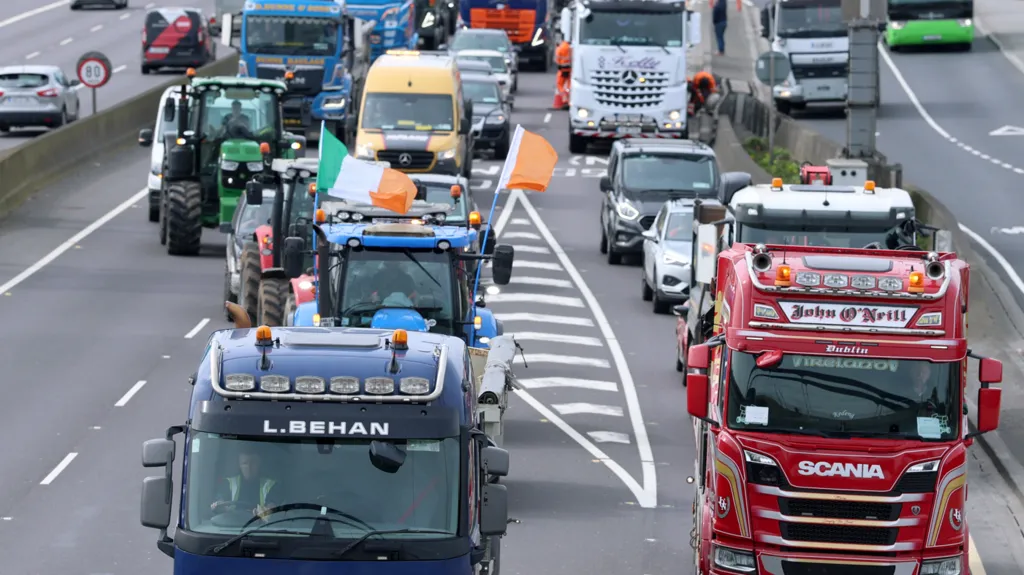
The fuel price protests that began earlier this week have grown into a nationwide campaign of slow‑moving convoys designed to draw attention to the rapid increase in petrol and diesel costs. Participants have positioned large trucks and vans on key arteries, effectively choking traffic flow and raising concerns about access to essential services.
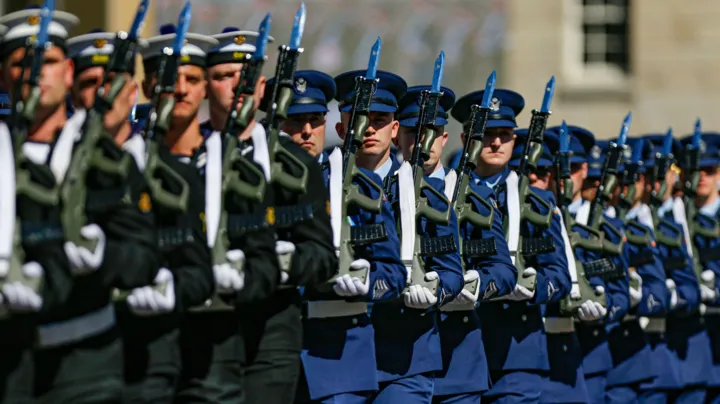
Jim O'Callaghan, the Irish Minister for Justice, publicly confirmed that the Irish Defence Forces would be deployed to assist in clearing the blockades. In a statement, Jim O'Callaghan emphasized that the removal of obstructing vehicles is necessary to safeguard critical national infrastructure and to ensure that citizens retain unfettered access to fuel and clean water.
Government Directive and Legal Framework
According to Irish law, the Garda Síochána may request assistance from the Irish Defence Forces when public order is threatened or when essential infrastructure is compromised. That request was formally issued overnight, prompting the Irish Defence Forces to prepare for rapid deployment on the affected road sections.
Jim O'Callaghan warned vehicle owners that any damage incurred during the removal process would be the owners' responsibility, stating unequivocally that complaints about potential damage would not be entertained. The directive underscores the government's intention to prioritize public safety over the temporary inconvenience caused by the protests.
Impact on Public Transportation and Travel
Blake Boland, spokesperson for Dublin Bus, described the situation as "absolutely massive disruption" and noted that services are experiencing repeated interruptions. Passengers have been advised to allocate a substantial amount of extra time for their journeys, as both urban and intercity routes are subject to delays and diversions.
Translink issued a similar advisory, highlighting that cross‑border services are encountering unpredictable stoppages. In addition, Dublin Express coach operators reported numerous detours and extended travel times between the capital and Belfast.
Dublin Airport also joined the chorus of warnings, urging travelers to anticipate longer processing times and possible schedule adjustments. The cumulative effect of these disruptions has placed a heavy burden on commuters, business travelers, and tourists alike.
Emergency Services and Public Health Concerns
The Garda Síochána has reported that the blockades are hampering the ability of emergency personnel to reach hospitals, fire stations, and other critical locations. A spokesperson for the Garda Síochána highlighted that delayed response times could jeopardize patient care and overall public safety.
Statements from the health sector indicate that patients awaiting routine appointments and those requiring urgent care are experiencing increased anxiety due to uncertainty about timely access to medical facilities.
Authorities have stressed that denying access to fuel and clean water constitutes an unacceptable interference with fundamental human rights, reinforcing the moral imperative to restore unimpeded movement along the affected routes.
International Oil Market Turmoil
The surge in fuel prices within the Republic of Ireland is directly linked to geopolitical developments that have disrupted a significant portion of the world's oil trade. The closure of the Strait of Hormuz has halted the flow of roughly one‑fifth of global oil shipments, creating a ripple effect that has driven up the cost of crude and refined products.
Domestic fuel stations now charge approximately €2.14 per litre for diesel and €1.91 per litre for petrol, with some locations reporting even higher figures. These prices represent a steep climb from pre‑crisis levels and have placed considerable financial strain on motorists, logistics companies, and agricultural producers.
Protesters argue that the price hikes are unsustainable and demand that the Irish Government engage in dialogue to seek relief measures for consumers and businesses affected by the market shock.
Negotiations Between Government and Industry Representatives
In response to the escalating situation, senior officials from the Irish Government, including Micheál Martin, Simon Harris, and Seán Canney, convened a meeting with the Irish Road Haulage Association (IRHA) on a recent weekday. The discussion centered on the immediate removal of blockades and the development of a longer‑term strategy to address fuel affordability.
Both parties described the dialogue as constructive, emphasizing a shared commitment to restoring normal traffic conditions while acknowledging the genuine concerns raised by protest participants.
Further meetings are scheduled with national representative bodies representing contractors and farming organisations. Martin Heydon and Timmy Dooley will lead the forthcoming engagement, aiming to broaden the conversation to include sectors most vulnerable to fuel price volatility.
Public Sentiment and Future Outlook
While the protests remain peaceful, the cumulative disruption to daily life has prompted a growing chorus of frustration among commuters, business owners, and residents of affected communities. The balance between exercising the right to protest and ensuring that essential services remain uninterrupted continues to challenge policymakers.
The Irish Defence Forces' involvement marks a decisive escalation in the government's response, signaling an intention to restore order swiftly. However, officials have also reiterated a willingness to maintain open channels of communication with protest organizers and industry stakeholders.
As the situation evolves, the Irish Government pledges to monitor developments closely, adjust strategies as needed, and uphold the principle that access to fuel, clean water, and emergency services must never be compromised.