Greece Moves to Block Social Media Access for Users Under Fifteen
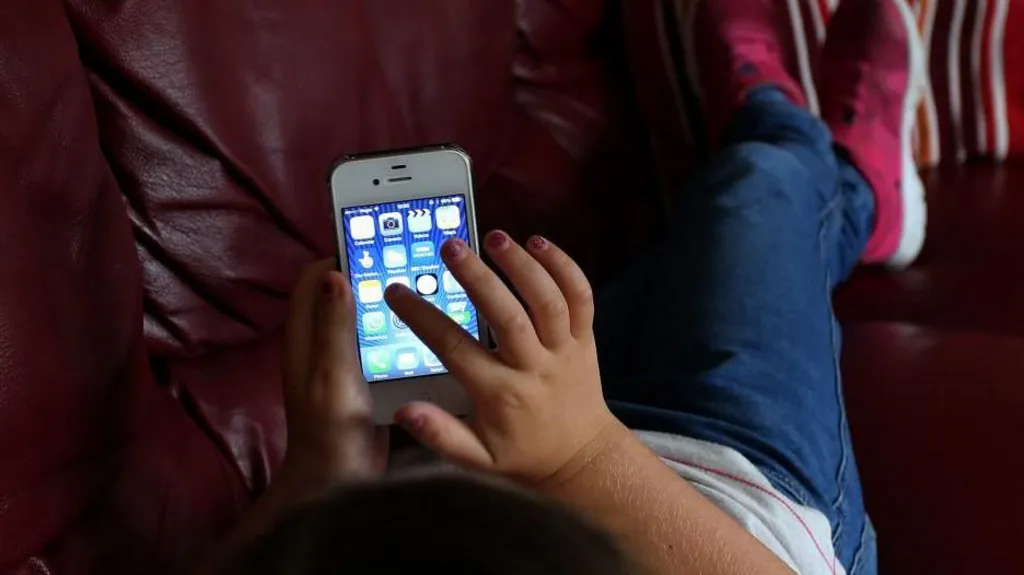
Greece has announced a plan to prohibit social media usage for individuals younger than fifteen years, joining a growing list of European jurisdictions that are tightening controls on digital platforms for minors.
Prime Minister Kyriakos Mitsotakis explained that the primary goal of the restriction is to address a surge in anxiety, sleep disturbances, and general mental‑health concerns among young people who spend extensive time on digital platforms. Prime Minister Kyriakos Mitsotakis also highlighted what has been described as the "addictive design" of many social‑media services, asserting that such design elements contribute to compulsive usage patterns among children.
The forthcoming restriction is scheduled to take effect at the beginning of the next calendar year. Under the new rules, any social‑media account belonging to a user under fifteen years of age will be inaccessible from within Greece, and providers will be required to enforce age‑verification mechanisms that prevent under‑fifteen individuals from logging in.
International Context and Similar Initiatives
Recent months have seen a wave of regulatory proposals targeting under‑age access to popular platforms such as TikTok, YouTube, Snapchat, and other widely used services. Australia pioneered this approach by mandating that the major platforms remove accounts belonging to individuals under sixteen years of age, threatening substantial financial penalties for non‑compliance. France, Austria, and Spain have also signaled their intent to introduce comparable safeguards, illustrating a broader European trend toward protecting younger internet users.
The United Kingdom government has launched a public consultation to explore the feasibility of extending an age‑based ban to users under sixteen years of age. Ireland and Denmark are actively reviewing similar policy options, indicating that the conversation about age‑related digital restrictions is rapidly expanding across the continent.
Industry Reaction and Legal Challenges
Social‑media corporations have voiced strong opposition to sweeping bans, arguing that such measures are unlikely to achieve the desired protective outcomes, are technically difficult to implement, and risk marginalising vulnerable teenagers who may already feel isolated. Reddit, for instance, has initiated legal proceedings challenging the Australian framework, contending that the mandated removal of under‑sixteen accounts infringes upon the company’s operational autonomy.
Meta and Google have each issued statements indicating disaGreement with the verdict reached by regulators and have declared intentions to pursue appeals. Meta specifically emphasized that teen mental health is a multifaceted issue that cannot be attributed to a single application, stating: "Teen mental health is profoundly complex and cannot be linked to a single app."
Google’s response mirrored that sentiment, underscoring the importance of a holistic approach to mental‑well‑being that goes beyond the scope of any individual platform.
Prime Minister Kyriakos Mitsotakis’ Public Appeal
In a video message posted on TikTok, Prime Minister Kyriakos Mitsotakis addressed the public directly, stating: "Many young people tell me they feel exhausted from comparisons, from comments, from the pressure to always be online." The prime minister went on to recount conversations with a range of parents who expressed concerns that their children experience poor sleep quality, heightened anxiety, and an almost constant presence on mobile devices.
The prime minister’s appeal stresses a perceived link between unrestricted digital exposure and a cascade of psychosomatic symptoms that appear to be rising among the younger demographic. By imposing a clear age threshold, Greece aims to create a digital environment that encourages healthier habits and reduces the pressure associated with constant online engagement.
Potential Impact on Young Users and Families
Should the Greek policy be fully implemented, families will need to adjust to a new paradigm in which under‑fifteen children no longer have direct access to major social‑media platforms within the country. Parents may be required to monitor the digital activities of their children more closely and seek alternative outlets for communication and entertainment that are not subject to the same age‑based restrictions.
Advocates for the ban argue that limiting early exposure to social‑media environments can foster better sleep hygiene, lower levels of social comparison, and a reduction in anxiety‑inducing interactions. Critics, however, caution that removing access without providing targeted educational resources could drive young people toward unregulated or underground platforms, potentially exacerbating the very issues the policy seeks to mitigate.
The balance between protective regulation and preserving open digital participation remains a central theme of the ongoing debate, with both sides emphasizing the need for evidence‑based solutions that support the well‑being of minors.
Broader European Policy Landscape
Across Europe, the conversation surrounding age‑based digital restrictions reflects growing concerns about the mental‑health implications of prolonged social‑media use. France, for example, has been exploring legislative measures that would require platforms to implement more robust age‑verification tools and to provide clearer content warnings for younger audiences.
Austria’s approach involves collaborating with educational institutions to integrate digital‑literacy curricula that teach students about safe online practices and the psychological effects of constant connectivity. Spain’s initiatives focus on encouraging parental controls and fostering community‑level awareness campaigns that highlight the signs of digital fatigue among children.
These diverse strategies illustrate that the European response to under‑age social‑media usage is not monolithic; rather, it combines legislative action, educational outreach, and public‑health messaging to address a complex, multifactorial challenge.
Conclusion: Looking Ahead
Greece’s proposed ban on social‑media access for individuals under fifteen adds a significant data point to the evolving global discourse on digital well‑being for minors. By setting a clear age threshold, Greece aims to curb the rising tide of anxiety, sleep disruption, and comparison‑driven stress that many young people attribute to pervasive online engagement.
The policy’s success will depend on effective enforcement mechanisms, cooperation from platform providers, and the provision of supportive resources for families navigating the new digital landscape. As other European nations continue to evaluate similar measures, the outcome of Greece’s initiative may serve as a reference point for future regulatory frameworks aimed at safeguarding the mental health of the next generation.