Fuel Demonstrations Disrupt Cross‑Border Journeys for a Second Consecutive Day
Travelers are urged to allow additional time after fuel protests cause extensive delays on major routes and in public transport services.
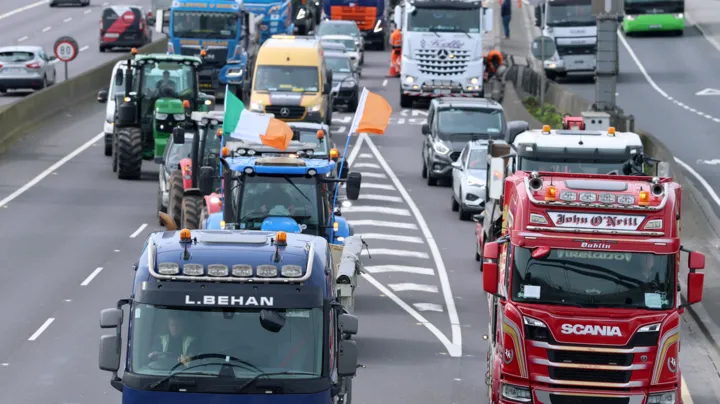
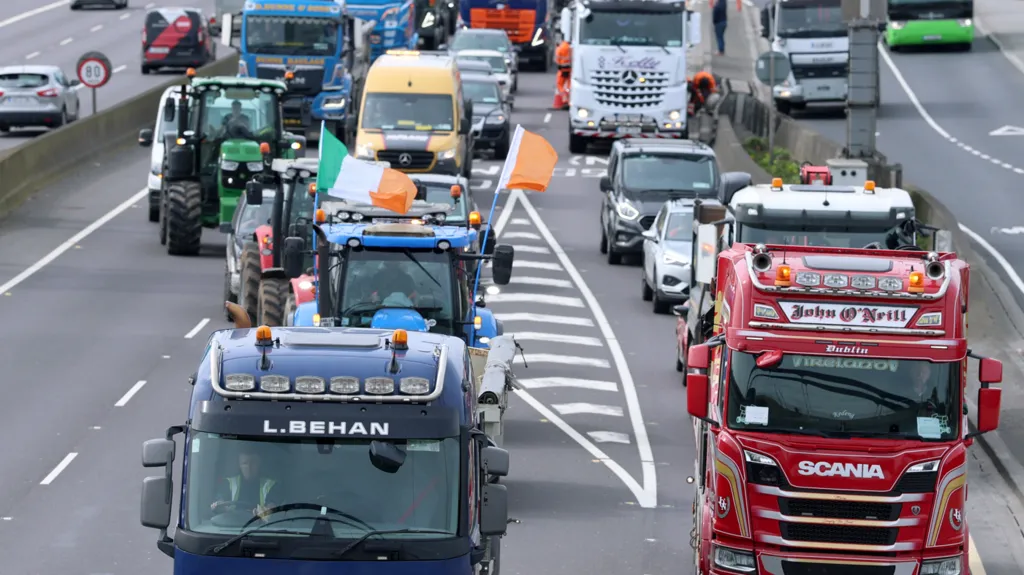
Cross‑border travel has been affected for a second day in a row by fuel protests in the Republic of Ireland. The protests consist of slow‑moving convoys that have been positioned on Dublin’s main arteries as well as on routes that serve other major urban centres across the island.
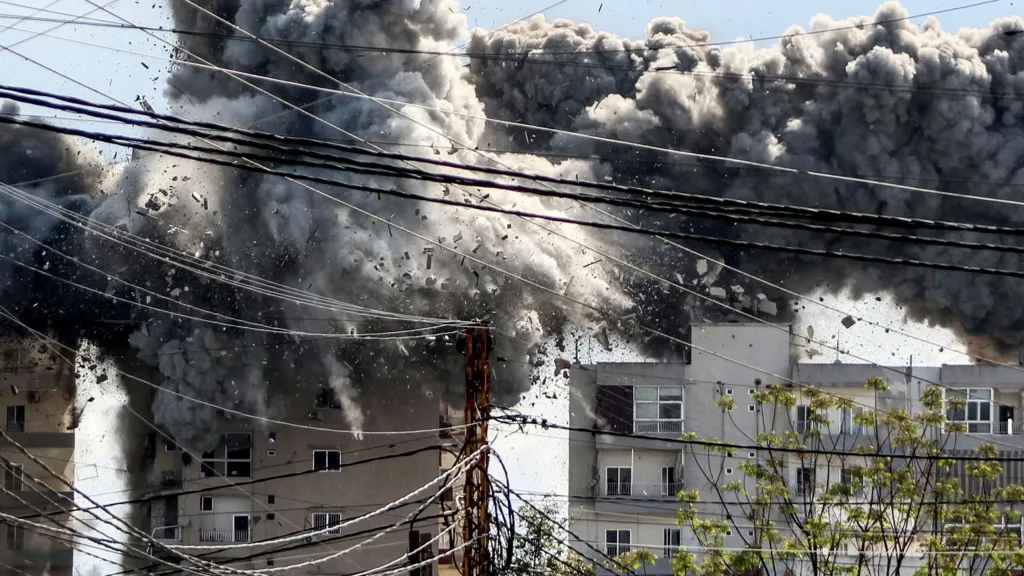
These convoys are staged as a direct response to rising fuel prices that have been traced to the US and Israeli war against Iran. The protests are taking place on a range of high‑traffic roads, creating bottlenecks that hinder the normal flow of private vehicles, commercial traffic, and public transport.
Gardaí reported a complete standstill on O'Connell Street and O'Connell Bridge in Dublin. The blockage on O'Connell Street, a principal commercial thoroughfare, has forced all vehicles to halt, while O'Connell Bridge, which provides a vital crossing over the River Liffey, has become impassable for the duration of the demonstration.
Dublin Airport issued a notice advising passengers to allow extra time for their journeys. Translink warned that cross‑border services are subject to delays and disruption, and announced that all X1, X2, X3, and X4 services will terminate at Dublin Airport until further notice.
Background to the Price Surge
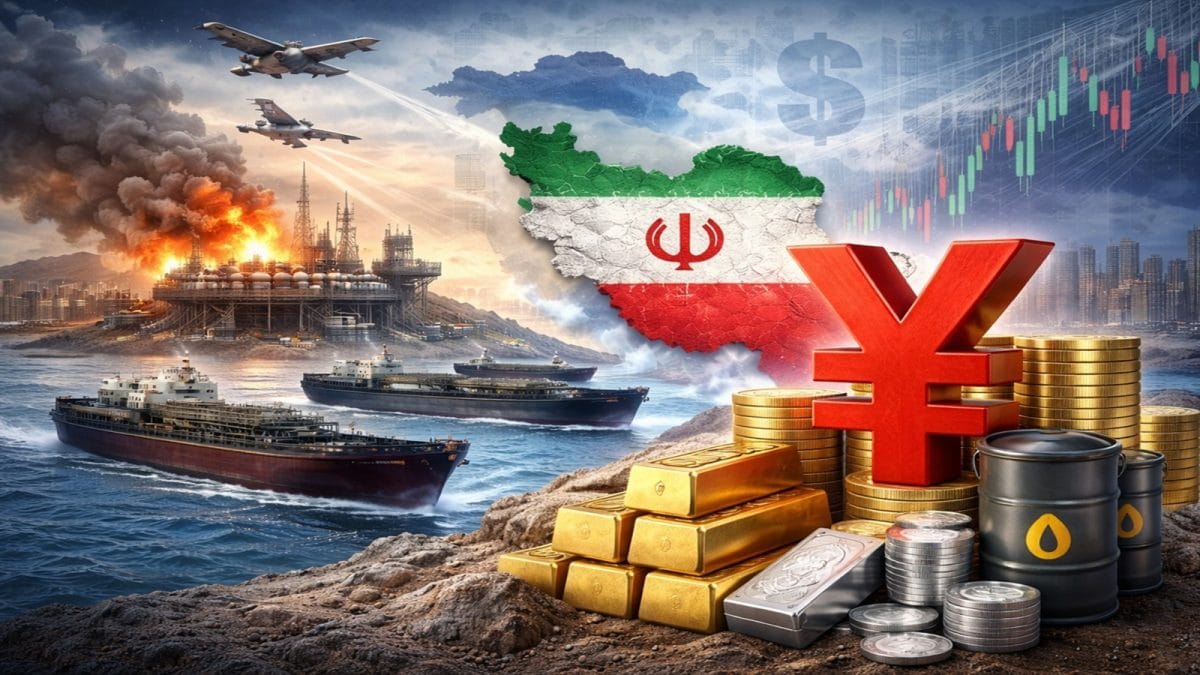
The conflict in the Middle East has triggered rapid price increases for both petrol and diesel. A significant proportion of the world’s oil trade passes through the Strait of Hormuz, a vital maritime chokepoint. Approximately one‑fifth of global oil shipments have been halted as a result of the closure of the Strait of Hormuz.
This interruption in supply has pushed the cost of diesel in the Republic of Ireland to roughly €2.14 per litre, while the price of petrol has risen to about €1.91 per litre. In certain locations, the price per litre is even higher, reflecting the uneven impact of the supply shock across the island.
The sharp rise in fuel costs has placed a heavy burden on commuters, logistics operators, and businesses that rely on road transport. The protests aim to bring attention to the financial strain caused by the elevated fuel prices and to pressure authorities to take remedial action.
Political Response
Tánaiste (Irish Deputy Prime Minister) Simon Harris is planning to hold a meeting later in the week dedicated to the issue of energy. The upcoming meeting will focus on strategies to mitigate the impact of the current fuel price surge and to explore longer‑term solutions for energy security.
Simon Harris has indicated that the government is closely monitoring the situation and is prepared to engage with stakeholders across the public and private sectors. The meeting will bring together representatives from the energy industry, transport organisations, and community groups to discuss coordinated responses.
Specific Routes Affected by the Convoys
The following roadways have experienced notable delays as a result of the fuel protest convoys:
- Dublin city centre (including O'Connell Street, O'Connell Bridge and both the north and south quays)
- County Limerick – N21 from Adare towards Limerick city
- County Limerick – Ballysimon Road
- County Cork – Macroom bypass in both directions
- Galway Docks, Galway city
- County Tipperary – M8 Junctions 6‑9 Northbound
- County Cork – M8 Junction 18 Glanmire
Travelers attempting to use any of these corridors should anticipate significant slow‑downs and possible complete closures during the period of the protest. Motorists are advised to seek alternative routes where feasible and to allow additional travel time for any journeys that must rely on the affected arteries.
Impact on Public Transport Services
Translink’s cross‑border bus and rail services are experiencing widespread disruption. All X1, X2, X3, and X4 services have been instructed to terminate at Dublin Airport, meaning that passengers wishing to travel beyond Dublin Airport must seek alternative transport options.
In addition to the termination of services at Dublin Airport, Translink has reported intermittent delays on routes that intersect with the protest‑affected roads. Passengers are encouraged to consult official Translink communications for the latest updates on service timings and route alterations.
Dublin Airport’s advisory highlights that security checks, baggage handling, and boarding procedures may also be subject to slower processing times due to the increased volume of passengers arriving later than originally scheduled.
Advice for Commuters and Freight Operators
Commuters are strongly urged to plan journeys well in advance, to factor in potential delays, and to remain patient while navigating the affected areas. Frequent updates from Gardaí, Dublin Airport, and Translink will provide the most reliable guidance on evolving conditions.
Freight operators should consider adjusting delivery windows, rerouting shipments where possible, and communicating proactively with clients about expected arrival times. The heightened fuel costs also warrant a review of budgeting for fuel expenses, as the current price levels represent a considerable increase over recent baseline figures.
Both private motorists and commercial drivers are reminded to adhere to traffic regulations, to avoid attempting to force through blocked sections, and to respect the safety instructions issued by Gardaí on the ground.
Long‑Term Considerations
The current situation underscores the vulnerability of the Republic of Ireland’s transport network to external geopolitical events that affect energy markets. Strategic initiatives aimed at diversifying energy sources, increasing fuel efficiency, and investing in alternative transport modalities may reduce the impact of similar price shocks in the future.
Policy makers, industry leaders, and civil society groups are likely to debate the merits of expanding public transport infrastructure, encouraging electric vehicle adoption, and exploring renewable fuel options as part of a broader energy resilience strategy.
While the immediate priority remains the mitigation of travel disruptions and the stabilization of fuel prices, the broader conversation may evolve toward a more sustainable and less price‑volatile transport ecosystem for the Republic of Ireland.