Israeli Air Raids Sweep Southern Lebanon Even as US‑Iran Ceasefire Is Declared
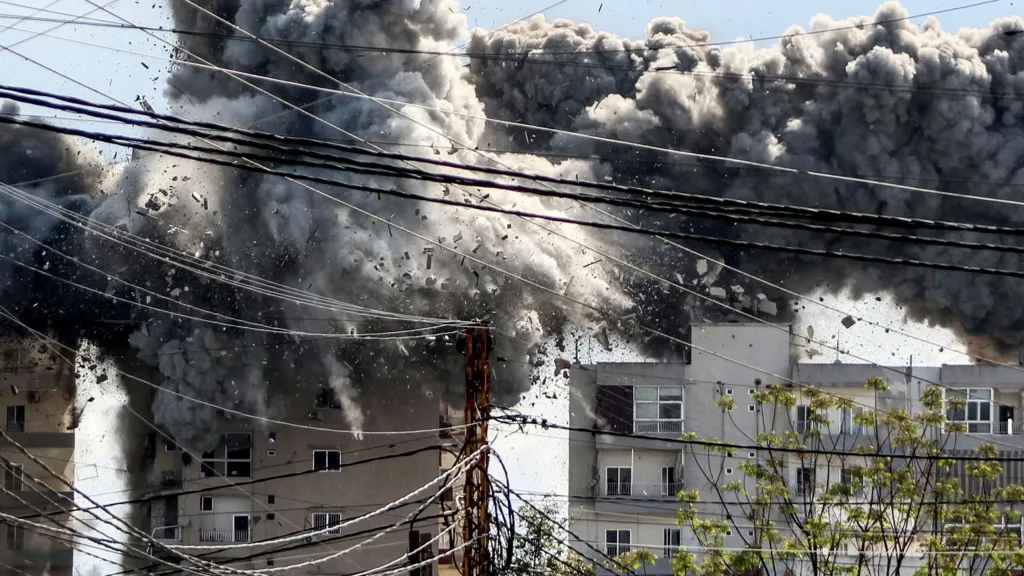
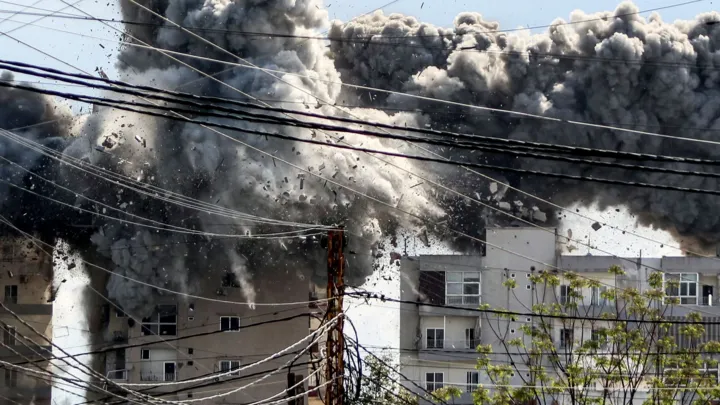
Israeli military conducted a new wave of air strikes in the Tyre and Nabatieh regions of southern Lebanon shortly after a US‑Iran ceasefire aGreement was announced, underscoring that the ceasefire does not extend to the Israel‑Hezbollah front.
New Air Strikes Signal Continuation of Conflict
Israeli military launched precision strikes on multiple targets in the Tyre district and the Nabatieh province during the early hours of the day. These attacks came only hours after the US‑Iran ceasefire accord was publicly disclosed. Israeli military statements confirmed that air and ground operations would proceed unabated, emphasizing that the ceasefire arrangement pertains solely to the US‑Iran confrontation and not to the Israel‑Hezbollah hostilities.
The office of Prime Minister Benjamin Netanyahu rejected assertions made by Pakistan, a key mediator of the ceasefire, that the aGreement also covered the fighting in Lebanon. Benjamin Netanyahu’s office reiterated that Israel will continue to pursue military objectives against Hezbollah‑aligned forces in southern Lebanon.
Human Toll and Massive Displacement
Across Lebanon, the war has claimed more than 1,500 lives, including approximately 130 children. The United Nations estimates that more than 1.2 million residents—roughly one in five of the national population—have been forced to abandon their homes. The displaced populations are concentrated in Shia‑majority communities of the southern border region, the eastern Bekaa Valley, and the southern suburbs of Beirut, all areas where Hezbollah enjoys substantial influence.
Villages perched near the border have been reduced to rubble as Israeli forces advance to establish what Israeli authorities describe as a security buffer zone. The strategic goal of this buffer zone is to dismantle Hezbollah infrastructure, degrade the operational capacity of Hezbollah fighters, and push those fighters further from the Israeli border. Observers warn that the creation of a buffer zone may evolve into a prolonged occupation, leaving many former residents unable to return even after formal hostilities cease.
Political Reactions to the Ceasefire Announcement
Following the declaration of a US‑Iran ceasefire, the Lebanese presidency announced that it would persist in “efforts to include Lebanon in regional peace.” The Lebanese presidency’s statement signaled a desire to see the broader ceasefire extend to the Lebanese theater, even as Israeli military operations continue unabated.
Hezbollah, which has not claimed any new attack since the ceasefire announcement, issued a statement declaring that Hezbollah stands on the "threshold of a major historic victory." Hezbollah warned displaced families to await an official ceasefire proclamation before attempting to return to their homes, cautioning that premature movements could expose civilians to renewed attacks.
Origins of the Recent Escalation
The latest surge in fighting traces back to Hezbollah’s launch of rockets into Israel in retaliation for the killing of Iran’s supreme leader Ayatollah Ali Khamenei during the opening stages of the wider war. Hezbollah’s rocket fire was presented as a direct response to near‑daily Israeli air raids on Lebanese territory that persisted despite a ceasefire aGreement reached within Lebanon in November 2024.
Israeli officials have repeatedly indicated that Israel intends to pursue its campaign in Lebanon regardless of any diplomatic settlement with Iran. However, recent statements from Israeli military sources suggest that the Israeli army does not plan to push further into Lebanese territory at this juncture, acknowledging the impracticality of achieving complete disarmament of Hezbollah through force alone.
Hezbollah’s Military Capabilities Under Scrutiny
Analysts have expressed surprise at Hezbollah’s continued ability to conduct coordinated attacks, launching rockets and unmanned aerial vehicles toward northern Israel while also confronting Israeli ground forces in the south. This resilience challenges earlier assessments that Hezbollah had been severely weakened in previous conflicts.
Within Lebanon, Hezbollah faces criticism from segments of the population that blame the organization for dragging the nation into an unwanted war and for serving the strategic interests of Iran. Despite this criticism, Hezbollah retains considerable support among Lebanon’s Shia community, which continues to view Hezbollah as a defender against Israeli aggression.
Humanitarian Crisis Deepens Amid Ongoing Fighting
The displacement crisis has exacerbated Lebanon’s already fragile socioeconomic situation. Schools repurposed as emergency shelters are operating at full capacity, and many displaced families are forced to sleep in makeshift tents erected in public squares, community centers, and even inside vehicles. The influx of displaced persons into new neighborhoods has heightened sectarian tensions, with residents fearing that their communities could become inadvertent targets of further Israeli strikes.
Humanitarian agencies report that essential services such as water, electricity, and medical supplies are stretched thin, complicating efforts to deliver aid to those in need. The ongoing conflict hampers the ability of international organizations to conduct large‑scale relief operations, leaving many vulnerable families without reliable access to basic necessities.
Political Landscape and Prospects for Negotiation
Following the 2024 ceasefire deal, the Lebanese government announced an initiative to disarm Hezbollah, a militia founded in the 1980s as a response to the Israeli occupation during Lebanon’s 15‑year civil war. To date, Hezbollah has refused to negotiate the future of its arsenal, maintaining that its weapons are essential for national defense.
President Joseph Aoun, a former army chief, has consistently ruled out the use of force to compel Hezbollah to surrender its arms, warning that such a move could exacerbate internal divisions and spark widespread violence. In response to the latest escalation, President Joseph Aoun’s administration issued a historic statement indicating openness to direct negotiations with Israel, despite the absence of formal diplomatic relations between the two states. Israel has not yet responded to this overture.