La Liga’s Retro‑Shirt Weekend: Heritage Meets Fashion on the Pitch
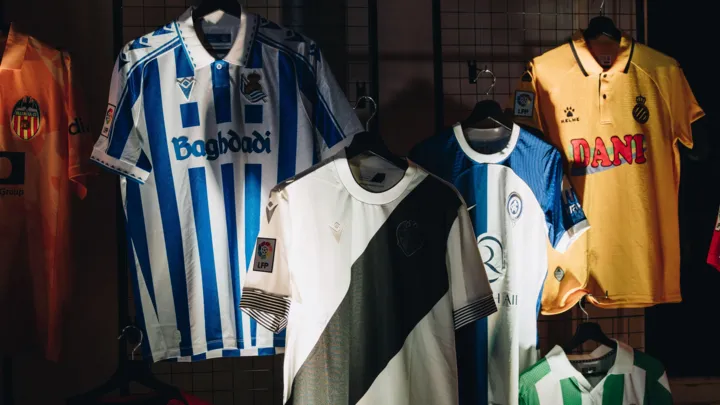
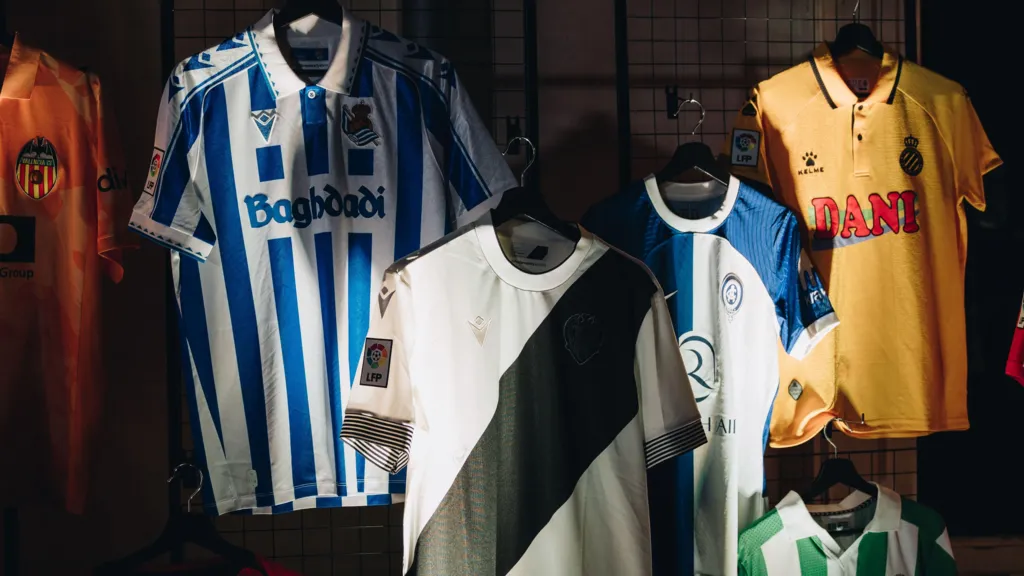
Thirty‑eight of the 42 teams in Spain's top two divisions will play in retro shirts this weekend to celebrate each club's cultural identity.
Thirty‑eight of the 42 teams in Spain's top two divisions will play in retro shirts this weekend to celebrate each club's cultural identity.The kits will be inspired by iconic looks from the past and pay homage to each club's history and fan traditions.
Participating clubs and the four exceptions
All clubs competing in La Liga and the Segunda División, except for Barcelona, Rayo Vallecano, Getafe and Real Madrid, will wear a specially designed retro shirt during the scheduled matches.
Barcelona will not wear a special jersey because of various logistical reasons, as reported by Spanish publication Marca. Rayo Vallecano will not wear a special jersey because of various logistical reasons, as reported by Spanish publication Marca. Getafe will not wear a special jersey because of various logistical reasons, as reported by Spanish publication Marca.
Real Madrid are not participating in the initiative at all.
Even though Barcelona, Rayo Vallecano, Getafe and Real Madrid are not donning the historic shirts, the clubs remain involved in the broader campaign that highlights the heritage of Spanish football.
Design inspiration and the fashion connection
The retro shirts draw directly from celebrated uniforms that have become symbols of each club's identity. By revisiting these historic patterns, La Liga aims to create a visual bridge between past glories and the present day.
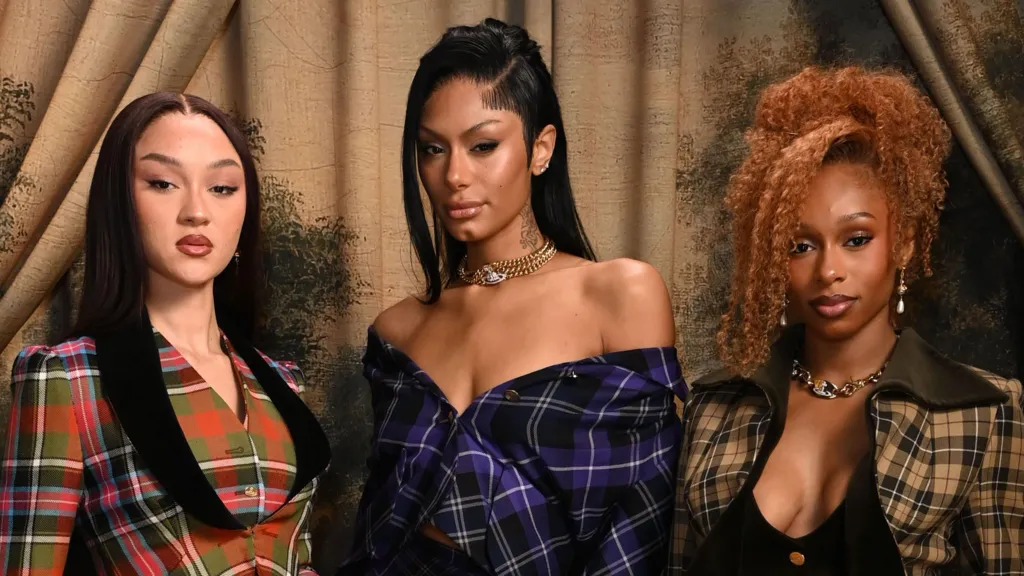
The unveiling of the collection took place at Madrid Fashion Week, where football met haute couture in a collaborative showcase. The partnership highlighted how sport and fashion can amplify one another’s narratives without needing to reference a specific calendar date.
In addition to the club shirts, referees will also wear a specially created uniform, and the broadcast graphics for the matches will feature a throwback aesthetic, reminiscent of television designs from earlier decades.
A vintage‑styled match ball will be used throughout the weekend, further immersing players and fans in the nostalgic atmosphere.
La Liga leads a European trend
La Liga is the first of Europe’s five major football leagues to organise a coordinated retro‑shirt campaign across an entire matchday. Other leagues have experimented with similar ideas, but none have implemented a unified rollout of historic kits on this scale.
Outside of Europe, sporting organisations such as the National Rugby League in Australia and the Australian Football League have previously held retro rounds, demonstrating the global appeal of heritage‑focused events.
Why La Liga is embracing nostalgia
La Liga director Jaime Blanco explains that the retro‑shirt weekend offers a unique method for tapping into the deep-rooted histories of each club. "It allows us to bring the past into the present while continuing to build experiences and strengthen the legacy that emotionally connects with supporters," Jaime Blanco said.
Jaime Blanco also noted that presenting the collection during a premier fashion event provides an ideal platform to project football’s cultural identity beyond the stadium, positioning the sport at the heart of contemporary creative conversation.
Historical kits in other clubs
This season, several clubs beyond La Liga have already celebrated their heritage through special jerseys.
Italian club Juventus recently introduced a fourth kit inspired by the 1996‑97 season, a collaboration with Adidas and Studio Sgura that echoes a memorable era for the Turin‑based side.
Premier League side Liverpool launched a retro collection that includes shirts dating back to the 1960s as well as the 2005 home shirt, cherished for its association with the Champions League triumph in Istanbul.
Arsenal re‑interpreted its iconic 1991‑1992 “banana” kit for the 2019‑20 away uniform, demonstrating how historic designs can be modernised for contemporary wear.
Nike has relaunched its T90 collection, while Adidas has re‑introduced the classic Trefoil badge on the chest of its 2026 World Cup away jerseys, revisiting a design that has been absent for more than three decades.
The business of retro apparel
Retro football shirts have evolved into a lucrative market, with the Classic Football Shirts company estimating the sector to be close to a £40 million enterprise. The demand for heritage‑inspired apparel reflects both collector enthusiasm and broader fan interest in the visual language of football history.
Fashion, culture and the modern footballer
Jordan Clarke, founder of Footballerfits, an Instagram platform that explores the link between football and fashion culture, argues that nostalgia is a societal phenomenon, not solely confined to sport. Clarke states, "I think nostalgia is something in society not just in football. A lot of people look back fondly at times during their lives, when they were maybe younger, and there was less worry in the world. They look back and dream of returning to those times."
Clarke adds that football serves as a microcosm of broader cultural feelings, explaining that the sport’s current climate can feel “robotic,” with an emphasis on tactical systems over individual expression.
According to Clarke, players now seek self‑expression through avenues such as fashion, music, and other cultural pursuits, particularly when on‑field creativity is constrained by modern tactical demands.
The rise of retro kits provides a channel for players to celebrate the sport’s heritage while simultaneously engaging with contemporary style trends.
Footballers on the runway
Players have become regular fixtures at fashion weeks, often occupying front‑row seats and participating in brand collaborations. Clarke observes that athletes are increasingly cultivating personal brands that resonate with younger audiences, presenting themselves first as individuals before being identified solely as footballers.
Clarke notes that many players wish to develop talents beyond the pitch, seeking recognition in areas such as design, music, or entrepreneurship, and rejecting the notion that they must conform to a single‑dimensional identity.
From a commercial perspective, clubs such as Arsenal and Paris Saint‑Germain leverage cultural connections to attract fans whose primary interests may lie outside of sport, tapping into music, fashion and lifestyle markets to broaden their appeal.
By intertwining football with cultural currents, clubs and players alike enhance their relevance, attract new supporters, and secure additional marketing opportunities.
Ask Me Anything – the source
This article originates from Gree Sport’s Ask Me Anything team, which fielded inquiries about the retro‑shirt initiative and provided the insights compiled above.
More questions answered…
How does the Scottish Premiership split work?
Have all home nations ever played in same World Cup?
Why are sportspeople obsessed with chess?