Fatal Collision Between High‑Speed Train and Military Lorry in France Leaves One Dead
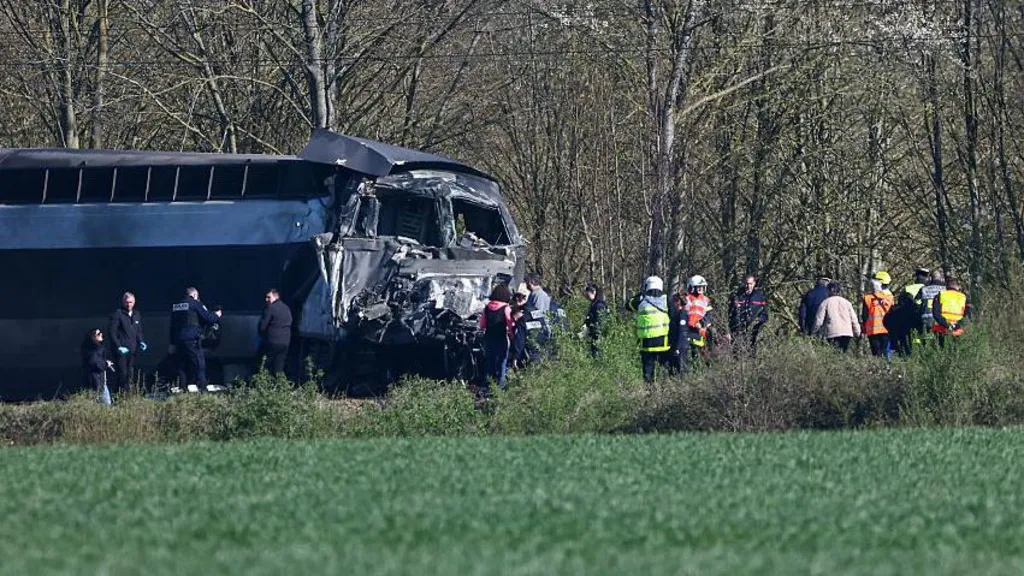
A high‑speed passenger train struck a lorry transporting military equipment at a level crossing in the Pas‑de‑Calais region, killing the train driver and injuring more than a dozen people, two of whom remain in critical condition.
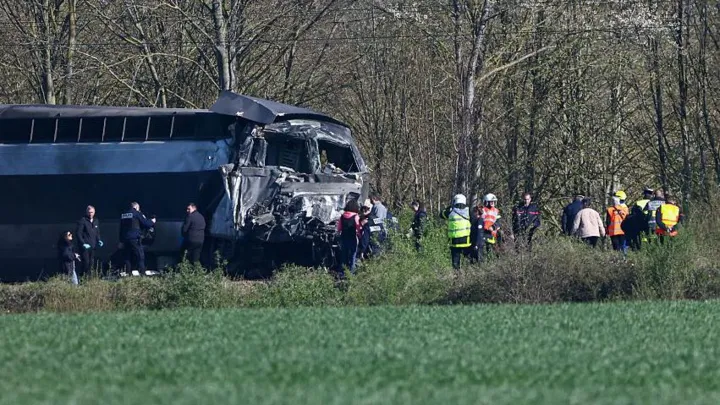
Overview of the Incident
The collision occurred on a weekday morning as the high‑speed train travelled eastward from Dunkirk toward Paris. The train, part of the national high‑speed network, approached a level crossing located between Béthune and Lens, two towns in the north‑western part of the Pas‑de‑Calais region. At the moment of impact, a heavy goods vehicle—identified by witnesses as a lorry loaded with military equipment—was crossing the tracks. The ensuing crash resulted in the immediate death of the train driver, whose name has not been released for privacy reasons, and caused injuries to thirteen passengers and staff members aboard the train.
According to French media outlets, two of the injured individuals sustained injuries classified as critical, while eleven others suffered injuries described as minor. Emergency services responded promptly, transporting the critically injured to nearby hospitals and providing on‑site medical assistance to those with less severe injuries.
Official Responses and Statements
President Xavier Bertrand, the regional President, publicly confirmed the fatality of the train driver and characterized the event as a "terrible tragedy." President Xavier Bertrand expressed his condolences on the social media platform X, stating, "My thoughts are with the family, the loved ones, and all the staff who are mourning this loss." The statement underscored the emotional impact on the railway community and the broader public.
Transport Minister Philippe Tabarot announced that he was traveling to the accident site accompanied by the chief executive of the state‑owned rail operator SNCF. Transport Minister Philippe Tabarot described the collision as involving a heavy goods vehicle, while the news outlet Franceinfo reported that the lorry was carrying military equipment. Both Transport Minister Philippe Tabarot and the SNCF representative were seen near the scene within a short period after the incident.
In a separate communication, the Group of Railway Employers (Gree) indicated that it had reached out to SNCF for additional comments regarding safety procedures and the immediate aftermath of the crash. SNCF Chief Executive Officer Jean Castex, who previously served as France's prime minister, had not yet released an official statement at the time of reporting.
The rail union SUD‑Rail issued a call for "total transparency" concerning the investigation into the crash. SUD‑Rail emphasized the need for a thorough and independent inquiry, requesting that all findings be made publicly available to ensure confidence in the rail system's safety protocols.
Impact on Rail Services
The regional rail network, TER Hauts‑de‑France, announced that train traffic between Béthune and Lens would be disrupted until the middle of the morning. The network indicated that services on certain lines would resume gradually as rescue and recovery operations progressed. Passengers traveling on the affected routes were advised to seek alternative transportation or to monitor official SNCF channels for real‑time updates on service restoration.
Because the high‑speed line forms a critical corridor between the northern coastal city of Dunkirk and the capital, the disruption had broader implications for long‑distance travelers. SNCF typically coordinates with regional authorities to provide replacement bus services during such incidents, though specific details on the provision of replacement services were not disclosed at the time of this report.
Historical Context of Level‑Crossing Collisions in France
Collisions at level crossings remain a relatively rare occurrence in France when compared with other types of railway accidents. However, statistical data reveal that such incidents happen more frequently in France than in the United Kingdom. Official figures show that in the most recent year for which data are available, there were eighty‑nine recorded level‑crossing incidents across France, resulting in twenty deaths. In contrast, the United Kingdom reported six such incidents in the same period.
Looking back over the previous three years, the number of level‑crossing collisions in France consistently exceeded one hundred each year. The years 2021, 2022, and 2023 each saw more than one hundred recorded collisions, indicating a persistent safety challenge despite ongoing efforts to upgrade crossing infrastructure and implement advanced warning systems.
The most recent fatality prior to the current incident involved a collision in the south‑eastern Var region, where a regional train struck a truck, leading to one death. That earlier accident, occurring less than a fortnight before the present crash, highlighted a pattern of serious outcomes when road vehicles encounter moving trains at uncontrolled crossings.
Looking Forward
The tragic loss of the train driver and the injuries sustained by passengers underscore the critical importance of rigorous safety measures at level crossings. Stakeholders, including President Xavier Bertrand, Transport Minister Philippe Tabarot, SNCF, the Group of Railway Employers (Gree), and the rail union SUD‑Rail, have all pledged to cooperate fully with investigative authorities to determine the precise causes of the collision.
As the investigation proceeds, the emphasis placed on transparency by SUD‑Rail and the swift response by Transport Minister Philippe Tabarot and SNCF leadership suggest a collective commitment to preventing similar incidents in the future. The broader rail community, as well as the families of those directly affected, await the findings of the inquiry with the hope that lessons learned will translate into strengthened safety protocols, upgraded crossing technology, and ultimately, a reduction in the number of level‑crossing collisions across the nation.
In the meantime, the region continues to grapple with the immediate humanitarian impact, offering support to the families of the deceased train driver and the injured passengers. Local hospitals remain engaged in the care of the critically injured, while rehabilitation services are being coordinated for those with less severe injuries. The collective response reflects a societal resolve to address both the short‑term needs of those affected and the long‑term goal of ensuring that rail travel in France remains among the safest modes of transportation.