Police Officer Sentenced to Over Two Years for Fatal Crash While Responding to Emergency
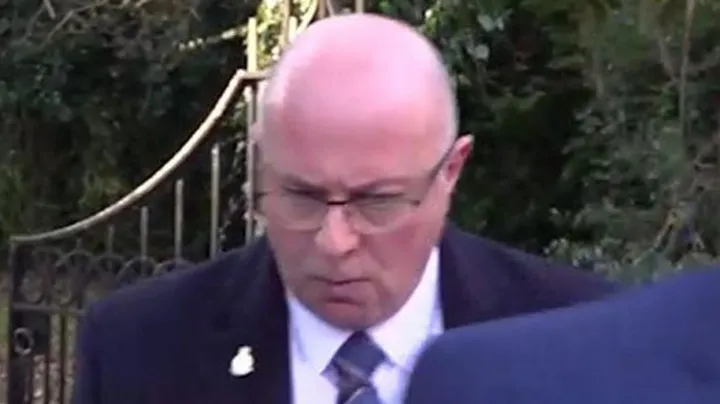
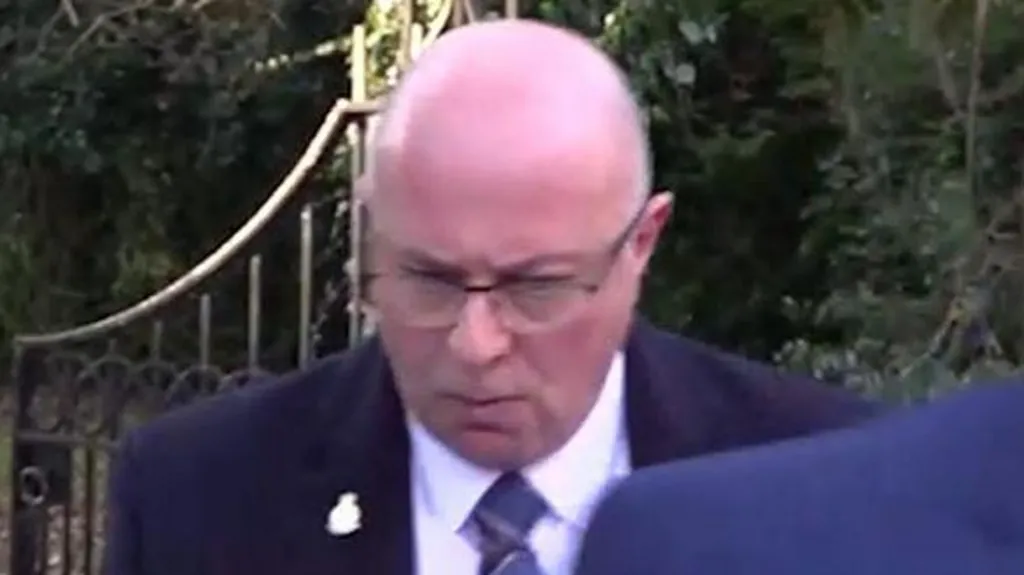
A court has handed down a custodial term of two years and three months to Mark Roberts, a police officer who collided with a motorbike while answering a life‑critical call about a choking infant.
Background of the Incident
Mark Roberts, aged fifty‑seven, was stationed at Whickham Police Station when a grade‑one emergency call was logged. The call concerned a five‑week‑old infant experiencing severe breathing difficulty in the area of Dunston. The urgency of the situation required an immediate police response, and Mark Roberts was dispatched to the scene.
While en route, Mark Roberts travelled toward a bridge crossing the A1. At that location, a red traffic signal regulated the flow of vehicles. Mark Roberts approached the intersection at a speed averaging forty‑three miles per hour, a pace that exceeded the safe limit for the conditions described by the prosecution.
Concurrently, Ronald Pinkney and Muriel Pinkney were operating a Royal Enfield Himalayan motorbike that had just exited a dual carriageway and was beginning a turn onto the opposite side of the road. The motorbike’s maneuver placed it directly in the path of the approaching police vehicle.
The Collision and Immediate Aftermath
When Mark Roberts entered the intersection, the red signal was still active. The police vehicle failed to stop, and the impact with the motorbike occurred at a speed estimated between twenty‑five and twenty‑seven miles per hour after Mark Roberts applied emergency braking. The force of the collision caused severe injuries to both Ronald Pinkney and Muriel Pinkney.
Police investigators reported that Mark Roberts experienced a brief loss of consciousness as a direct result of the impact. Upon regaining awareness, Mark Roberts provided first‑aid assistance to Ronald Pinkney and Muriel Pinkney while awaiting the arrival of an ambulance.
Medical responders later confirmed that Muriel Pinkney suffered blunt force trauma to the head, an injury that proved fatal after several days of hospital care. Ronald Pinkney endured a range of serious injuries, including a cerebral bleed, fractures to the shoulder, leg, and rib cage, and required an extended hospital stay of approximately one month.
Family Impact Statements
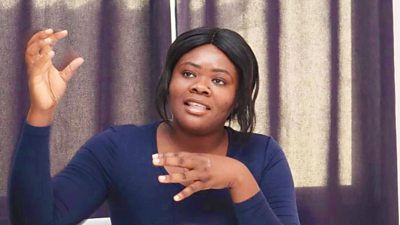
Dawn Hunter, the daughter of Ronald Pinkney and Muriel Pinkney, delivered a heartfelt statement to the court describing the profound loss experienced by the family. Dawn Hunter emphasized that Muriel Pinkney and Ronald Pinkney had shared fifty‑six years of partnership, describing the couple as inseparable and devoted to leading an active lifestyle together.
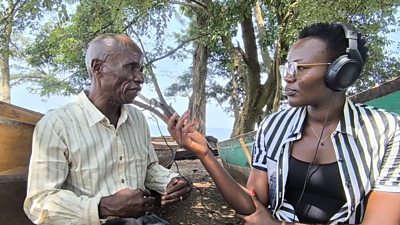
Following Muriel Pinkney’s death, Dawn Hunter noted that Ronald Pinkney’s daily routine shifted dramatically. Activities once shared with Muriel Pinkney were abandoned, and Ronald Pinkney now faces a permanent limp and an aversion to riding motorbikes—an activity that had been a lifelong passion dating back to youth.
Dawn Hunter also expressed that, despite the tragic circumstances, the family does not hold Mark Roberts personally responsible for the outcome. The statement explained that initial anger gave way to empathy as more information emerged regarding the pressures Mark Roberts faced while responding to the emergency call. Dawn Hunter urged that Mark Roberts’ life not be ruined by imprisonment, emphasizing that Mark Roberts was performing official duties when the incident occurred.
In addition, Dawn Hunter conveyed gratitude for Mark Roberts’ apology and acceptance of responsibility for the careless driving charge. Dawn Hunter expressed a desire that the more serious dangerous‑driving conviction not have been imposed, suggesting an expectation of leniency given the circumstances.
Legal Findings and Convictions
The court determined that Mark Roberts had admitted to careless driving, describing the event as a "tragic accident" during the proceedings. However, the jury found Mark Roberts guilty of causing death and serious injury by dangerous driving, a charge carrying a more severe penalty than the admitted offence.
Judge Laird, presiding over the case, highlighted that Mark Roberts possessed extensive training and experience as a police officer, yet made critical errors in judgment while responding to an emergency. Judge Laird underscored that the exemptions granted to emergency responders—such as relaxed speed limits and the ability to treat red signals as give‑way situations—must be exercised with due caution and within the bounds of training.
According to Judge Laird, Mark Roberts approached the junction at a speed that was excessively high for the intended manoeuvre, and the officer’s focus on reaching the emergency destination caused a failure to notice the oncoming motorbike. The judge characterized Mark Roberts’ conduct as a deliberate disregard for lawful traffic controls, citing a statement made by Mark Roberts to a probation officer in which emergency responders were described as "commonly fail[ing] to comply with the obligation to treat red lights as a give‑way junction and simply rely[ing] on other road users to stop."
Judge Laird used this admission to emphasize the seriousness of the breach, stating that it suggested a conscious choice to ignore both the law and professional training. Consequently, Judge Laird imposed a custodial term of two years and three months, a driving ban of five years and one month, and an order for Mark Roberts to undergo an extended driving test before any future licensure could be considered.
Mitigating Circumstances Presented
During the mitigation phase, counsel Luke Ponte KC outlined a narrative of a man whose life had been devoted to public service. Luke Ponte KC detailed Mark Roberts’ twenty‑two years of exemplary military service, noting deployments to Yugoslavia, Northern Ireland, Iraq, and Afghanistan. After completing military duties, Mark Roberts transitioned directly to the Durham Police Service before transferring to Northumbria Police in 2017.
Luke Ponte KC argued that Mark Roberts was “devastated” by the outcome and attempted to render medical assistance despite the temporary loss of consciousness. The defence highlighted Mark Roberts’ record of dedication to helping others and called for the court’s compassion in sentencing.
Judge Laird, while acknowledging the substantial public‑service background, reaffirmed that professional training and experience do not absolve an individual from accountability when the conduct deviates from established standards of safety.
Response From Police Leadership
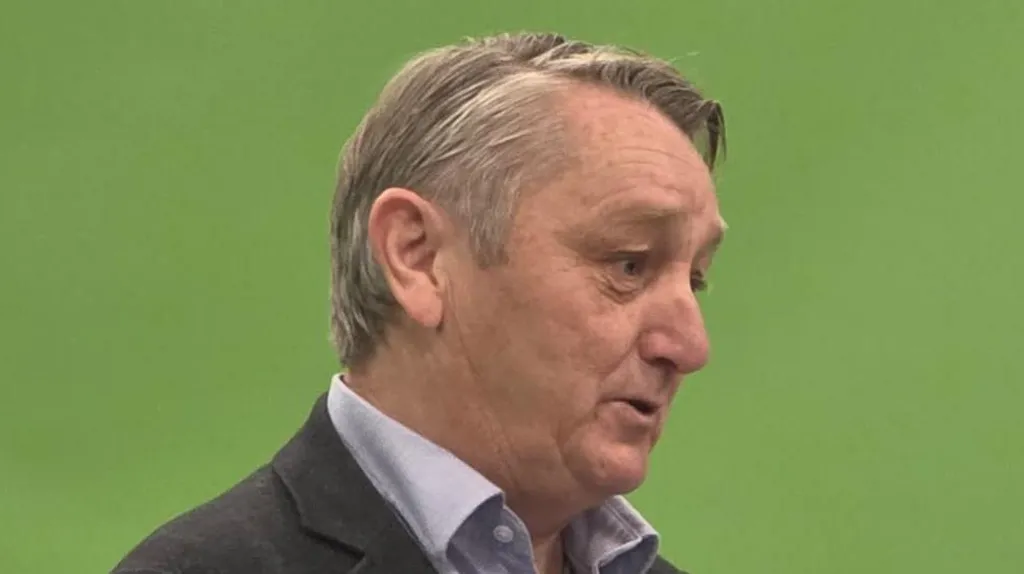
Assistant Chief Constable Andy Hill addressed the court following the pronouncement of the sentence. Assistant Chief Constable Andy Hill expressed sincere condolences to the Pinkney family on behalf of the police force and praised the family’s dignified conduct throughout the judicial process.
The statement from Assistant Chief Constable Andy Hill also reinforced the force’s commitment to reviewing and improving emergency‑response protocols to prevent similar tragedies in the future.