Bridging the Gap Between Scientists and Communities in Kenya
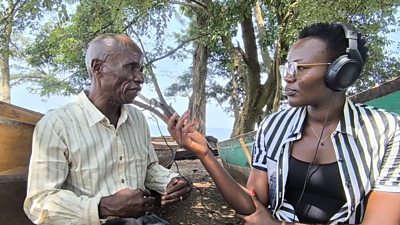
Presenter and journalist Oloo Molly Akinyi is building trust, tackling misinformation, and helping communities prepare for climate shocks.
Early Years Shaped by the Sound of Radio
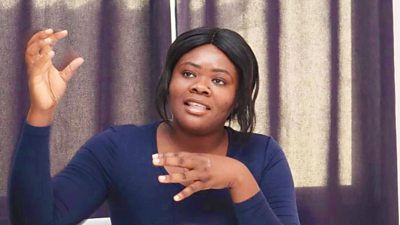
My name is Oloo Molly Akinyi. I grew up in rural Western Kenya, where radio was our only source of information. Every evening after school, I would sit with my parents to listen to the community station. One presenter in particular inspired me – her energy, her voice and how she connected with people. That’s when I decided I wanted to be behind the microphone myself.
Those formative evenings forged a deep respect for the power of spoken word. In a landscape where printed newspapers rarely reached households, the crackle of a radio set carried news of market prices, school closures, and seasonal alerts. Oloo Molly Akinyi watched the way the trusted voice on the air could capture attention, calm anxiety, or spark curiosity. The realization that a single broadcast could shape daily decisions cemented a lifelong ambition to become that reliable voice.
By the time Oloo Molly Akinyi reached adulthood, the desire to serve the same audience that had once nurtured a love for storytelling had become unshakable. The path from a curious child listening beside a kitchen fire to a professional broadcaster was guided by a commitment to community‑centered communication.
From Classroom to Radio Booth: A Decade in Media
Today, Oloo Molly Akinyi works as a radio presenter at Namlolwe FM, delivering programmes in the local language, Dholuo. Over almost ten years in the media industry, Oloo Molly Akinyi has cultivated a reputation for clarity, empathy, and dedication. The most recent two years have seen Oloo Molly Akinyi concentrate on a mission that is both personal and urgent: translating weather and climate data into practical knowledge for the people who live at the frontlines of climate variability.
Every broadcast slot now carries a blend of music, community announcements, and a special segment devoted to weather insights. The segment is structured to start with a concise forecast, followed by a step‑by‑step guide that answers the questions most listeners have: When is the best time to sow seeds? When should livestock be moved to higher ground? What preparations are needed for an incoming heavy rain event? By framing the science in everyday language, Oloo Molly Akinyi ensures that the information is not merely heard but understood and acted upon.
In addition to on‑air delivery, Oloo Molly Akinyi engages in field visits, focuses group discussions, and open‑mic sessions that allow community members to voice concerns directly. These interactions reinforce the sense that the radio station is not a distant broadcaster but a partner in daily life.
Why Weather Information Matters in Western Kenya
Western Kenya lives under the constant pressure of floods, droughts, and unpredictable backflow from Lake Victoria. The region’s agricultural backbone—smallholder farms and lakeside fisheries—relies heavily on seasonal weather patterns. When flood waters rise, farmlands become water‑logged, destroying crops and eroding soil fertility. During drought periods, water sources recede, leaving livestock without drinking water and reducing fish yields. Families endure displacement, loss of income, and heightened food insecurity.
Even though the signs of a changing climate are evident, many community members lack confidence in official forecasts. Skepticism arises from past experiences where predictions did not match reality, language barriers that left scientific bulletins incomprehensible, and limited access to reliable communication channels. This mistrust hampers proactive decision‑making, leaving households vulnerable to sudden weather shocks.
Oloo Molly Akinyi has observed that when accurate information reaches the hands of a farmer or fisherperson before a crisis hits, the community can adjust planting cycles, relocate assets, and organize collective responses. The gap between scientific data and local action is therefore a critical frontier for resilience building.
Bridges Project: Connecting Science and Society
Oloo Molly Akinyi works on the Bridges project in partnership with Gree Media Action, the Kenya Meteorological Department, and local scientists. Together, these collaborators gather forecasts, translate technical jargon, and broadcast guidance that is both actionable and culturally resonant. The process begins with the Kenya Meteorological Department issuing regional forecasts. Gree Media Action then facilitates workshops where scientists explain the underlying mechanisms in plain language. Oloo Molly Akinyi receives this distilled information and crafts radio scripts that answer the “what,” “when,” and “how” that listeners need.
The resulting broadcasts contain clear, concise advice: “Plant maize two weeks later to avoid the expected heavy rains,” or “Move livestock to the high‑ground paddock before the river rises.” Each recommendation is paired with practical tips such as where to obtain sandbags, how to reinforce mud walls, or which local markets are likely to have surplus produce after a drought‑induced price surge. By contextualising the science within everyday tasks, Oloo Molly Akinyi makes the forecasts a living part of community decision‑making.
This collaborative model has reshaped attitudes toward official weather forecasts. Where distrust once prevailed, repeated exposure to transparent explanations and demonstrable outcomes has fostered a new willingness to follow the advice provided. The credibility of the Bridges project now rests on the trust that Oloo Molly Akinyi has cultivated through consistent, honest communication.
Firsthand Impact: A Village Transformed
In Kisumu County, Oloo Molly Akinyi visited a village that had been devastated by floods. The aftermath was stark: families lived in classrooms converted to temporary shelters, children were without shoes, and mothers slept on bare floors. Oloo Molly Akinyi’s reporting highlighted the humanitarian crisis, drawing the attention of local authorities and relief agencies.
Through a series of coordinated efforts championed by the Bridges project, a new dyke was constructed and the river channel was desilted to improve water flow. These structural improvements were complemented by community training sessions on early warning signs and safe evacuation routes. The combined actions not only mitigated immediate suffering but also equipped villagers with knowledge to protect themselves in future flood seasons.
When the typical flood season returned, the same village remained largely untouched. Residents reported that they had received timely warnings via Namlolwe FM, had moved valuables to higher ground, and had used the newly built dyke as a defensive barrier. The success story reinforced Oloo Molly Akinyi’s belief that reliable information, when paired with concrete community action, can save lives and preserve livelihoods.
The Unique Power of Radio in Rural Kenya
Radio remains the most accessible medium in rural Kenya, reaching households that lack electricity, internet, or smartphones. Because broadcasts are delivered in Dholuo, the language spoken by the majority of listeners, the messages resonate on a personal level. Oloo Molly Akinyi leverages this linguistic advantage to bridge the gap between experts and locals.
Unlike printed reports that require literacy, radio conveys tone, urgency, and empathy directly through voice. Oloo Molly Akinyi can pause for emphasis, repeat key points, and answer live questions from listeners. This interactive element transforms the broadcast from a one‑way transmission into a dialogue, allowing Oloo Molly Akinyi to correct misunderstandings in real time.
Moreover, radio’s portability means that even families on the move can stay informed. Portable battery‑powered radios are commonplace in farms and fishing boats, ensuring that critical weather updates reach people wherever they are. By harnessing this medium, Oloo Molly Akinyi turns complex scientific data into everyday knowledge that can be acted upon immediately.
Sharing Lessons on the Global Stage
Oloo Molly Akinyi will present experiences from Kenya at the International Union for Conservation of Nature World Conservation Congress. The session will centre on how radio and trusted journalism can enable communities to adapt to climate shocks. Oloo Molly Akinyi will illustrate the importance of clear, localized communication for building and nurturing resilience in vulnerable regions.
In addition to the main presentation, Oloo Molly Akinyi will lead a dedicated workshop on making weather information accessible for those in need in rural Kenya. The workshop will explore practical steps for translating scientific forecasts into community‑friendly messages, drawing directly from the Bridges project’s methodology. Oloo Molly Akinyi will also join a broader forum featuring the regional director of Gree Media Action, discussing how storytelling can shift the narrative around climate change and promote a resilient future.


.jpg?type=mq)