Wikipedia’s ‘Nearby’ feature uncovers hidden history for curious explorers
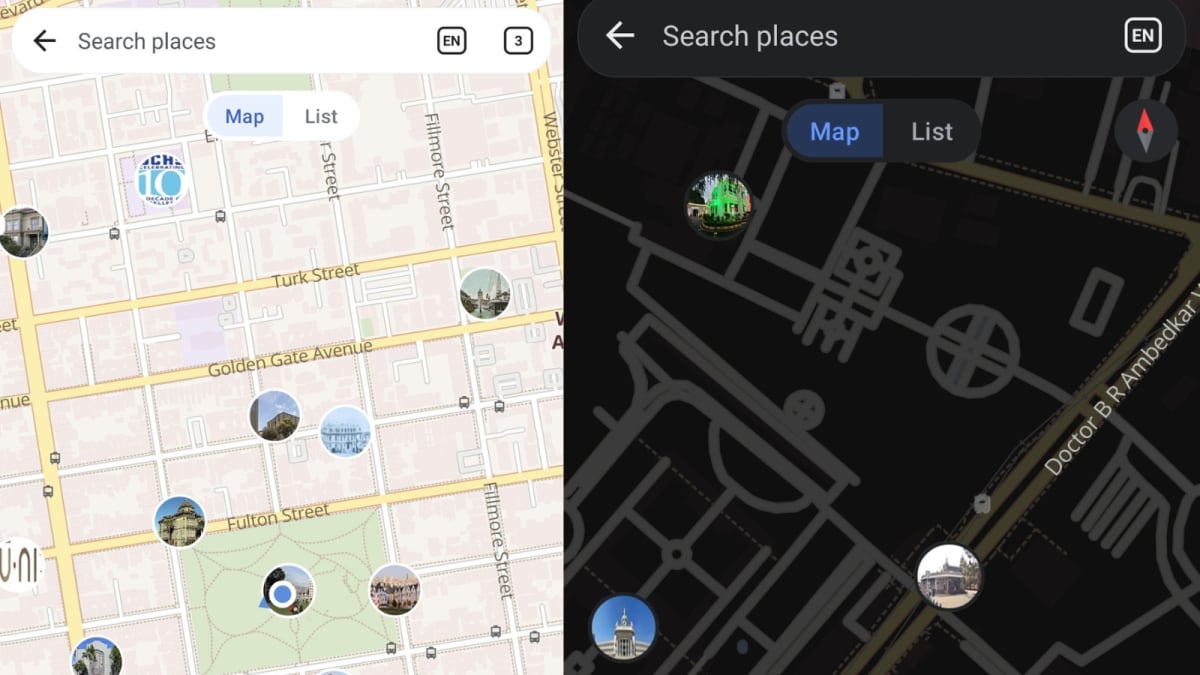
When a user on X posted about an accidental discovery within the Wikipedia app, the online community quickly took notice. The post highlighted Wikipedia’s ‘Nearby’ feature, a tool that generates a list of Wikipedia articles tied to the user’s current location. According to the post, once Wikipedia’s ‘Nearby’ feature is opened, it presents an ordered collection of nearby points of interest—ranging from well‑known monuments and prominent buildings to lesser‑known historical spots—accompanied by the distance to each location and the compass direction in which it lies.
Wikipedia’s ‘Nearby’ feature first entered the mobile experience in 2014, offering a location‑based layer of content that complements the encyclopedic information found within the broader Wikipedia platform. Although the Wikipedia app is reportedly no longer available for new downloads, users who already have the app installed report that the ‘Nearby’ feature still functions on their devices, providing a surprising window into the geography surrounding them.
The viral X post resonated because it revealed a gap in public awareness: many users were unaware not only of the existence of the Wikipedia app but also of the capabilities embedded within Wikipedia’s ‘Nearby’ feature. One commentator on X wrote, “I didn’t even know Wikipedia has an app,” emphasizing the surprise that the app itself is a lesser‑known piece of the Wikipedia ecosystem.
Beyond the initial shock, the reaction on X has been filled with personal anecdotes describing how Wikipedia’s ‘Nearby’ feature prompted spontaneous adventures. Several participants explained that after launching Wikipedia’s ‘Nearby’ feature, they followed the listed directions to nearby landmarks, only to discover stories they never imagined were attached to ordinary streets and crossings. These spontaneous forays have turned everyday commutes into educational journeys, with users reporting newfound appreciation for the architectural and cultural layers of their neighborhoods.
The core functionality of Wikipedia’s ‘Nearby’ feature is straightforward yet powerful. By accessing the device’s location services, Wikipedia’s ‘Nearby’ feature pulls geotagged Wikipedia articles that fall within a certain radius of the user’s position. Each entry in the list includes the name of the place, a brief excerpt from the corresponding Wikipedia article, the distance in meters or miles, and an arrow indicating the cardinal direction to follow. This information enables the user to locate the point of interest without needing to open a separate map application.
Despite the technical simplicity, the impact of Wikipedia’s ‘Nearby’ feature is amplified by the depth of Wikipedia’s content. Because Wikipedia encompasses millions of articles covering virtually every notable location on the planet, the feature can surface information ranging from the story of a centuries‑old cathedral to the background of a small, locally cherished garden. The breadth of coverage ensures that even the most obscure site can be highlighted when a user walks past it.
What sets Wikipedia’s ‘Nearby’ feature apart from typical map apps is the narrative quality of the information presented. While conventional navigation tools might label a spot as “Park” or “Museum,” Wikipedia’s ‘Nearby’ feature supplies a concise historical context, often linking to a full article that delves into the site’s significance, notable events, and cultural relevance. This storytelling element transforms a simple directional cue into an invitation to explore the past.
The reaction across X has highlighted a collective sentiment that the discovery feels less like a newly released update and more like the uncovering of a hidden layer of the internet. Users have expressed enthusiasm for the chance to engage with local history in a way that does not require active searching or research; the information simply appears as part of the routine of moving through space.
Several commenters have suggested potential enhancements to Wikipedia’s ‘Nearby’ feature, despite the fact that the feature has been available for years. Ideas include integrating user‑generated photos, allowing the filtering of results by time period, or providing audio narration for a hands‑free experience. While these suggestions represent a crowd‑sourced vision for future development, the current iteration already offers a robust, location‑aware portal into Wikipedia’s extensive knowledge base.
One thematic thread emerging from the conversation on X is the notion that awareness of Wikipedia’s ‘Nearby’ feature has lagged behind its actual existence. Many participants admitted that they had never noticed the option within the app’s menu, and only after seeing the X post did they explore it. This lack of visibility suggests that the feature’s placement within the app’s interface may benefit from clearer branding or a dedicated tutorial for new users.
Aside from individual anecdotes, some users have pointed out the wider educational implications of Wikipedia’s ‘Nearby’ feature. Teachers and educators, for example, can leverage the feature to design localized field trips, encouraging students to step outside the classroom and engage with their immediate environment through the lens of Wikipedia’s articles. This approach aligns with experiential learning models that prioritize direct interaction with real‑world contexts.
Community groups focused on heritage preservation have also expressed interest in using Wikipedia’s ‘Nearby’ feature as a promotional tool. By highlighting lesser‑known sites, the feature can raise public awareness of places that might otherwise remain overlooked, potentially fostering greater support for conservation efforts.
The discussion on X has not been limited to user‑level experiences; it has also sparked conversation among developers who contribute to the Wikipedia mobile app. Some developers reaffirmed that Wikipedia’s ‘Nearby’ feature was deliberately designed to be lightweight, operating even on devices with limited connectivity by caching a subset of location‑based articles ahead of time. This technical design choice ensures that the feature remains functional in environments where internet access may be intermittent.
Although the Wikipedia app is reportedly no longer available for fresh installations, the continued functionality of Wikipedia’s ‘Nearby’ feature on existing installations demonstrates the longevity of certain app components. Users who maintain the app can continue to explore the feature without needing to download a newer version, reinforcing the idea that Wikipedia’s open‑source ethos extends to the durability of its software tools.
The viral momentum generated by the X post has also reignited interest in discovering other hidden aspects of popular digital platforms. Observers note that many applications contain “Easter eggs” or under‑exploited tools that can enrich the user experience when uncovered, and Wikipedia’s ‘Nearby’ feature now serves as a prime example of such hidden value.
In the wake of the discovery, several X users have taken to sharing screenshots of their own Wikipedia’s ‘Nearby’ results, showcasing a diverse array of locations—from iconic city skylines to quiet neighborhood parks. These visual testimonies create a collective map of curiosity, illustrating how a single feature can bridge disparate geographies through the shared language of Wikipedia’s articles.
The conversation has also touched upon the cultural significance of the places highlighted by Wikipedia’s ‘Nearby’ feature. Users have noted that the feature can surface stories about local folklore, historic events, and notable individuals tied to a specific spot, fostering a deeper sense of place and identity for residents and visitors alike.
While the focus of the viral discussion has been on the novelty and educational potential of Wikipedia’s ‘Nearby’ feature, some participants have warned about privacy considerations inherent in location‑based services. Wikipedia’s ‘Nearby’ feature requires access to the device’s location data, and users are reminded to review their privacy settings and ensure that they are comfortable with the permissions granted to the app.
Nevertheless, the overall sentiment across X has been overwhelmingly positive, with many expressing gratitude for the newfound ability to discover hidden layers of their environment. The excitement generated by Wikipedia’s ‘Nearby’ feature demonstrates how a simple, well‑implemented tool can inspire curiosity, learning, and community engagement without the need for additional software or external services.
As the discussion continues, the pattern that emerges is one of collective exploration. Users are not only learning about the physical world around them but are also connecting through shared experiences, commenting on each other’s discoveries, and suggesting new ways to interact with Wikipedia’s wealth of information.
In addition to personal discoveries, the viral X thread has highlighted broader societal trends, such as the increasing desire for localized content that connects digital knowledge with everyday life. Wikipedia’s ‘Nearby’ feature exemplifies this trend by seamlessly merging encyclopedic data with geographic context.
Looking ahead, the community’s enthusiasm for Wikipedia’s ‘Nearby’ feature suggests that demand may grow for similar location‑aware tools across other knowledge platforms. While Wikipedia’s ‘Nearby’ feature remains a unique offering within the encyclopedia’s app, its popularity could encourage other creators to experiment with embedding geospatial relevance into their own digital products.
In conclusion, the unexpected resurgence of interest in Wikipedia’s ‘Nearby’ feature underscores how forgotten functionalities can become catalysts for community learning and exploration when they finally receive the spotlight they deserve. As more users turn on Wikipedia’s ‘Nearby’ feature and venture out to follow the directions it provides, the hidden stories embedded in everyday surroundings are poised to come to life, enriching both personal journeys and collective understanding of the world.
Kerala Elections Assam Elections Puducherry Elections Kerala Voter Turnout Assam Voter Turnout Puducherry Voter Turnout