The development comes against the backdrop of the West Asia conflict, which led to mounting concerns over the disruption of global energy supplies.
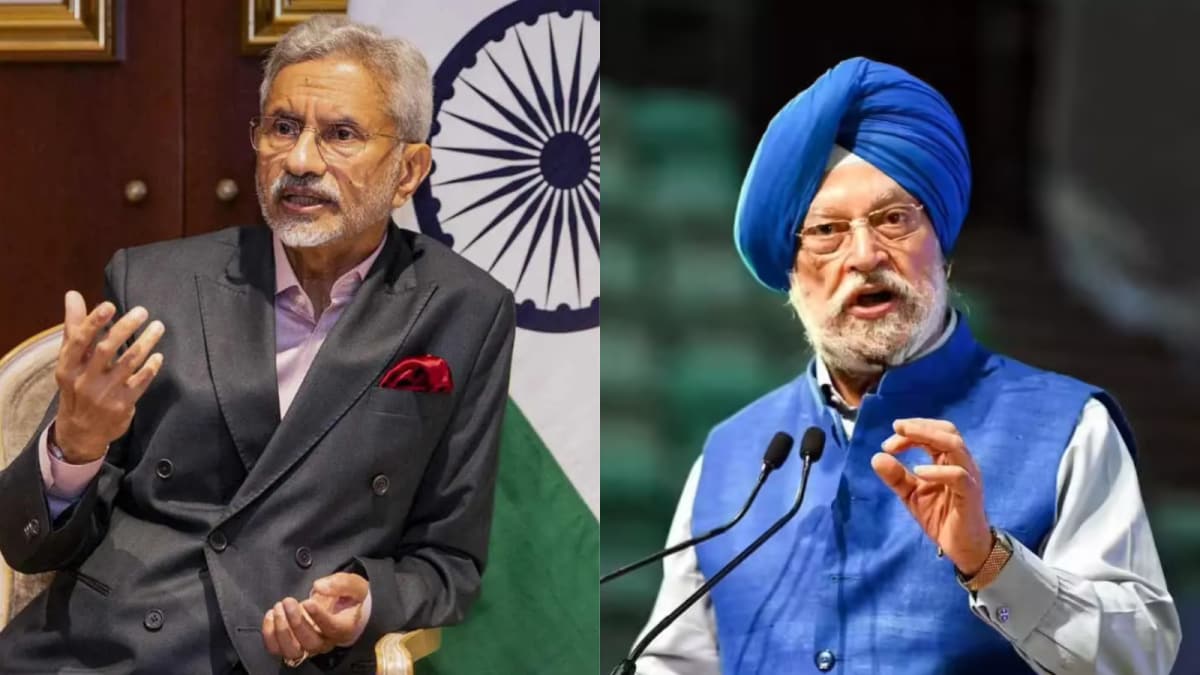
Union Minister for Petroleum and Natural Gas, Hardeep Singh Puri, is set to embark on an official visit to the State of Qatar. The official statement released by the Ministry of Petroleum and Natural Gas confirmed that Union Minister for Petroleum and Natural Gas, Hardeep Singh Puri, will travel to the State of Qatar in the coming days. The announcement was accompanied by a series of social media posts that highlighted the significance of the upcoming engagement.
The timing of Union Minister for Petroleum and Natural Gas, Hardeep Singh Puri's trip aligns with a period of heightened tension in West Asia, where the involvement of the United States, Israel and Iran has sparked apprehension about the stability of global energy markets. The blockade of the Strait of Hormuz, a crucial maritime passage for oil tankers, amplified worries about potential supply disruptions that could reverberate across continents.
Impact of the West Asia conflict on energy markets
The West Asia conflict has placed a spotlight on the vulnerability of energy supply routes that traverse the Strait of Hormuz. The strategic waterway, situated between the Arabian Peninsula and Iran, serves as a conduit for a substantial share of the world's oil exports. Any interruption to the flow of hydrocarbons through this corridor can trigger sharp price fluctuations and ripple effects throughout the global economy.
Amid these geopolitical headwinds, the State of Qatar has taken proactive measures to sustain its position as a leading exporter of liquefied natural gas. Reports indicate that the State of Qatar has formally commenced the process of resuming production at its LNG facilities, signaling a concerted effort to mitigate the impact of the broader regional instability on its export commitments.
QatarEnergy, the state‑owned energy conglomerate, announced a force majeure on several long‑term LNG supply contracts after Iranian missile strikes targeted key infrastructure at Ras Laffan Industrial City, a pivotal industrial hub located approximately 80 kilometres northeast of Doha. The force majeure declaration reflected the immediate operational challenges faced by QatarEnergy in the wake of the strikes.
Resumption of LNG production in the State of Qatar
According to reports from Bloomberg, the State of Qatar is mobilising engineers and workers to restart production at the world's largest LNG export plant. The announcement of a ceasefire in the West Asia conflict has created a more favourable security environment, allowing limited activity to resume at the Ras Laffan facility while essential maintenance work is undertaken ahead of a full restart.
Insiders familiar with the situation explained that the improvement in security conditions is enabling the gradual re‑activation of critical processes. Although the restart remains phased, the move is viewed as a positive signal for global LNG markets that have been grappling with supply uncertainties.
The State of Qatar's efforts to restart LNG output underscore the broader strategic importance of ensuring a reliable supply of natural gas to energy‑dependent nations worldwide. As the State of Qatar works to bring its facilities back online, the international community watches closely for indications of a stabilising energy landscape.
External Affairs Minister, S Jaishankar's visit to the United Arab Emirates
External Affairs Minister, S Jaishankar, is scheduled to travel to the United Arab Emirates shortly after Union Minister for Petroleum and Natural Gas, Hardeep Singh Puri's trip. The purpose of External Affairs Minister, S Jaishankar's visit is to review the strategic partnership between the two nations, discuss energy security, and assess recent regional developments.
The diplomatic agenda reflects the need to coordinate responses to the temporary ceasefire that has been observed between the United States, Israel and Iran. This ceasefire, while fragile, offers an opening for dialogue on how the evolving situation in West Asia may influence global energy markets and regional stability.
The United Arab Emirates, like the State of Qatar, endured attacks on its military and energy assets as part of the broader retaliatory strikes launched by Iran. External Affairs Minister, S Jaishankar's discussions in the United Arab Emirates are expected to focus on strengthening cooperation to safeguard energy infrastructure and ensure uninterrupted energy flows.
Domestic energy challenges in India
India has recently confronted a significant shortage of cooking gas, commonly known as LPG, in the wake of the blockade of the Strait of Hormuz. The Central Government, represented by the Ministry of Petroleum and Natural Gas, has publicly assured citizens that the apparent scarcity of LPG stems primarily from panic‑buying and hoarding behaviour rather than an actual disruption in supply.
Officials from the Ministry of Petroleum and Natural Gas have reiterated that there is no genuine shortage of cooking gas in the national market. The government has urged consumers to refrain from panic‑induced purchases and to maintain confidence in the existing supply chain, which remains intact despite the external pressures affecting global energy transportation routes.
The emphasis on calm and rational consumption reflects a broader strategy to prevent market distortions that could exacerbate the perceived shortage. By addressing consumer sentiment and encouraging responsible buying practices, the Ministry of Petroleum and Natural Gas aims to preserve stability in the domestic LPG market.
Political context: elections and voter turnout
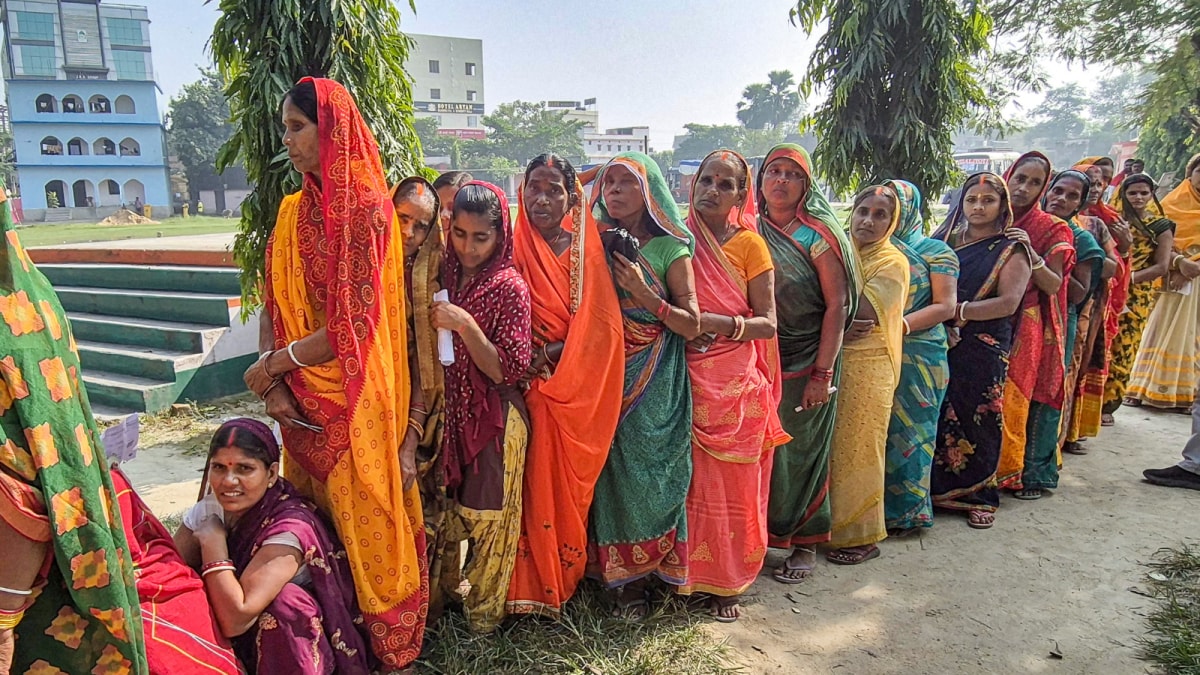
In the midst of these diplomatic engagements, India continues to navigate its complex political landscape, with ongoing discussions surrounding upcoming elections in Kerala, Assam and Puducherry. Voter turnout figures in these states have become focal points for analysts seeking to gauge public sentiment and the impact of economic concerns on electoral behaviour.
While the primary focus of Union Minister for Petroleum and Natural Gas, Hardeep Singh Puri's and External Affairs Minister, S Jaishankar's trips remains energy security, the broader political environment, including electoral dynamics, adds an additional layer of significance to the diplomatic outreach.
The convergence of energy diplomacy and domestic political considerations illustrates the interconnected nature of policy decisions, where international energy stability directly influences national economic confidence, which in turn can affect electoral outcomes.