Oil Prices Rise as Market Monitors Fragile US‑Iran Ceasefire
Crude prices climbed after a deal that reopens the Strait of Hormuz, while traders evaluate the uncertainty surrounding the tenuous ceasefire between United States and Iran.

Price Momentum in Asian Trade Hours
Global oil benchmarks increased during Asian morning trading, reflecting heightened attention to the evolving ceasefire arrangement between United States and Iran. The primary index for North Sea‑linked crude, Brent, advanced by a little over two percent, reaching a level of $96.70 per barrel. Simultaneously, the United States‑originated benchmark, West Texas Intermediate (WTI), rose by approximately 2.8 percent, settling at $96.90 per barrel. These gains reaffirm that market participants remain sensitive to any hint of instability in the Gulf region, even after the recent announcement of a ceasefire that promised the reopening of the crucial Strait of Hormuz.
Ceasefire Conditions and Emerging Strains
The conditional two‑week ceasefire between United States and Iran underwent immediate testing after a series of lethal strikes were launched by Israel against targets in Lebanon. In response, Iran issued a warning that any continuation of the Israeli attacks would provoke a response marked by regret, indicating that the fragile peace could quickly unravel. The language of the aGreement stipulates that vessels may resume safe passage through the Strait of Hormuz, yet the practical implementation of that clause remains uncertain.
Iran’s navy reiterated a stern directive: any ship attempting to navigate the strait without explicit permission would be considered a target and could be destroyed. This warning, confirmed by shipping brokerage firm SSY, underscores the precarious security environment that continues to shape merchant decisions even after the ceasefire declaration.
Reopening of the Strait of Hormuz and Shipping Dynamics
The announcement of the aGreement included a provision that the Strait of Hormuz should reopen to commercial traffic. Prior to the escalation of hostilities, roughly 130 vessels traversed the waterway each day, reflecting its status as one of the world’s most vital chokepoints for oil movement. In the immediate aftermath of the ceasefire, only a modest number of ships have been observed crossing the strait, a figure dramatically lower than the pre‑conflict baseline.
Maritime tracking firm Pole Star Global estimates that clearing the current backlog will require a minimum of ten days, even if shipping resumes at the historical daily volume. The delay is attributable to both the physical congestion of vessels awaiting clearance and the administrative procedures required to verify that each ship holds the necessary authorization from Iranian authorities.
Several nations, including Malaysia, India, and the Philippines, have successfully negotiated safe‑passage arrangements for their fleets. These bilateral aGreements illustrate a pragmatic approach by individual governments to maintain energy supplies while navigating the broader geopolitical uncertainties.
Analyst Perspectives on Market Sensitivities
OCBC bank strategist Sim Moh Siong noted that the upward trajectory in crude prices is driven by the perception that dialogue between United States and Iran remains delicate. Sim emphasized that the flow of energy shipments through the Strait of Hormuz will dominate market focus in the coming days, as traders seek concrete evidence that the waterway can operate without interruption.
Sim also highlighted an additional layer of uncertainty regarding Iran’s oversight mechanisms for ship movements, suggesting that the lack of a clear regulatory framework could further amplify price volatility. In a similar vein, Danny Price of Frontier Economics described the relationship between United States and Iran as “obviously fragile,” adding that any deviation from the aGreed terms could trigger swift market reactions.
Danny Price further projected that the damage inflicted on oil and gas infrastructure during the conflict will require an extended period to repair. Consequently, he anticipates that elevated price levels may persist for at least a year, reflecting both supply constraints and the lingering risk premium associated with Gulf‑region geopolitics.
Regional Equity Market Reactions
Asian equity indexes experienced modest declines in the same trading session. Japan’s Nikkei 225 slipped by half a percent, while South Korea’s Kospi fell by just over one percent. These movements mirror investor caution as the energy sector’s price spikes feed through to broader market sentiment, especially in economies heavily reliant on imported petroleum.
Specific Provisions of the Ceasefire AGreement
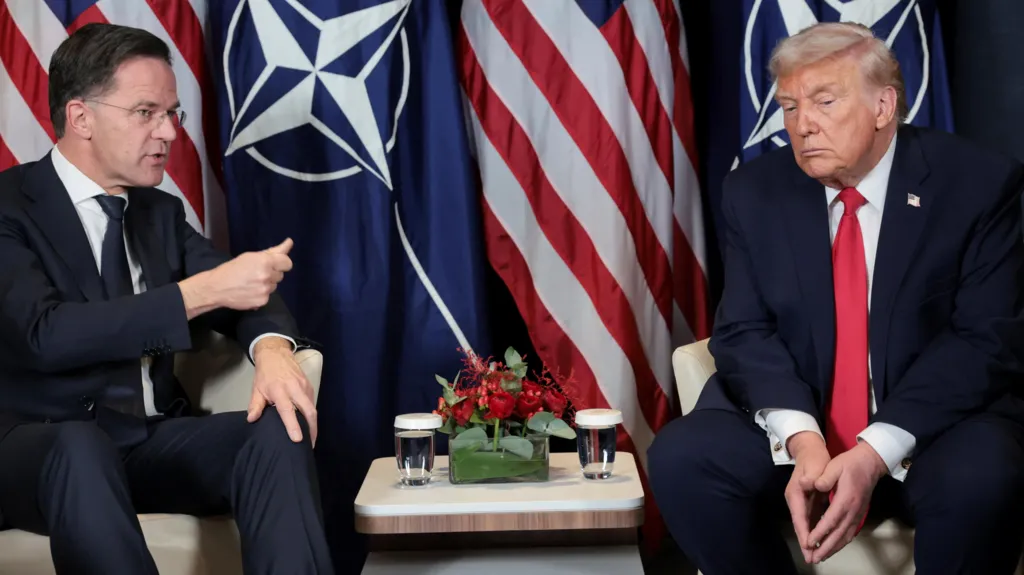
The ceasefire was formally announced shortly before a deadline that had been set by President Donald Trump. The deadline underscored the urgency attached to reaching a diplomatic solution, with President Donald Trump having warned of catastrophic consequences for an entire civilization should no accord be secured.
Among the conditions outlined, the safe usage of the Strait of Hormuz by commercial vessels was a central pillar. The unilateral warning from Iran’s navy that any unauthorized crossing would be met with force remains a significant operational challenge for shipping companies, even as they await explicit clearance from Iranian authorities.
Disputed Scope of the Ceasefire
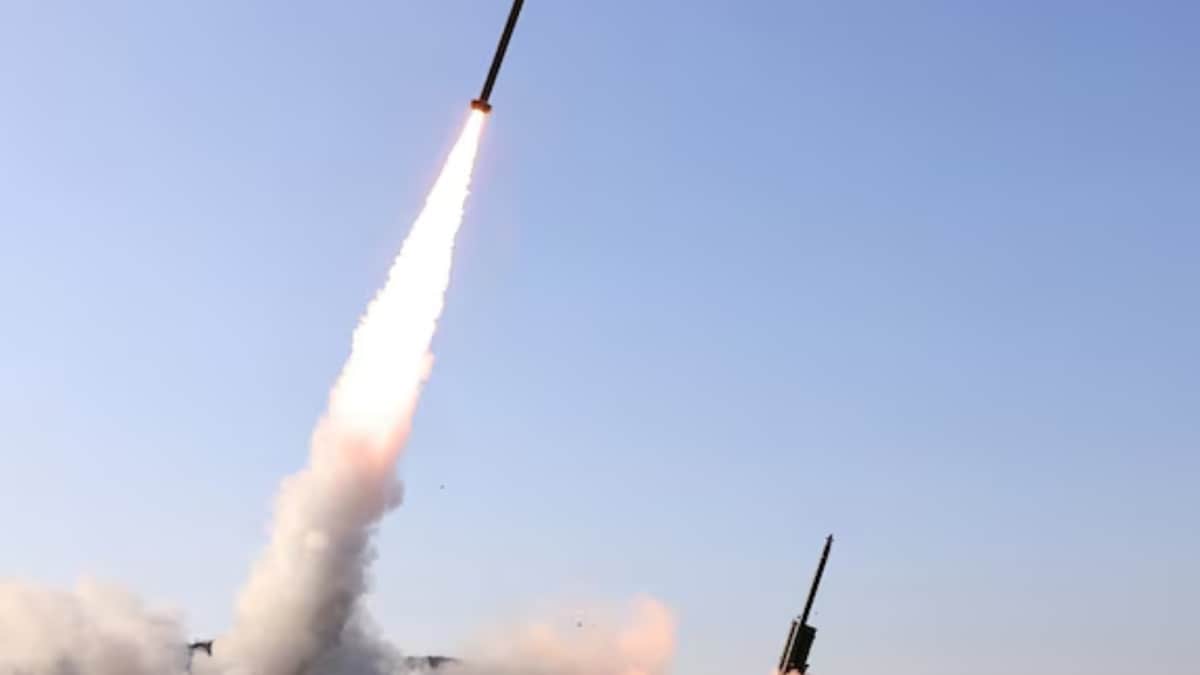
Ambiguity persists regarding whether the ceasefire extends to Lebanon. Israel launched its most intensive bombardment of Lebanon in the current conflict, resulting in the loss of at least 182 lives. In reaction, Hezbollah, the Iran‑backed militia, issued a statement via social media declaring that rockets had been fired toward northern Israel. Hezbollah framed this action as a direct response to perceived violations of the ceasefire terms.
Upcoming Diplomatic Engagements
Future negotiations are slated to involve Vice President JD Vance, who is scheduled to travel to Pakistan for talks with Iranian officials. The outcome of these discussions will be closely monitored by market participants, as any progress—or lack thereof—could immediately influence oil price trajectories.