Islamabad Announces Two-Day Shutdown Ahead of United Nations‑Mediated United States‑Iran Negotiations
Pakistan has instituted a two‑day public holiday across Islamabad, citing heightened security and logistical measures as United Nations‑facilitated talks between the United States and Iran are set to take place in the capital.
Official Notification and Scope of Holiday
The district administration of Islamabad released an official notice late on Wednesday declaring Thursday and Friday as public holidays throughout the Islamabad Capital Territory. The announcement was issued with short notice, underscoring the urgency of security preparations surrounding the forthcoming United Nations‑mediated negotiations.
The notice explicitly states that the holiday applies solely to the Islamabad Capital Territory. Essential services, including law enforcement agencies, medical facilities, electricity providers, and gas utilities, will continue to operate without interruption. Residents have been advised to plan personal and professional activities in accordance with the temporary suspension of non‑essential government offices.
In a statement posted on the official social media platform of the deputy commissioner’s office, the administration reaffirmed that “essential services will remain operational,” urging citizens to adjust schedules accordingly.
Preparations for the United States‑Iran Diplomatic Engagement
Simultaneously, Pakistan is undertaking extensive logistical arrangements to accommodate delegations from the United States and Iran. The impending talks are expected to address the broader regional conflict that has persisted across the Middle East.
The White House has confirmed that United States Vice President JD Vance will lead the American delegation to Islamabad. The delegation is slated to arrive in the capital within the next few days, joining an Iranian team that will travel from Tehran under the auspices of United Nations mediation.
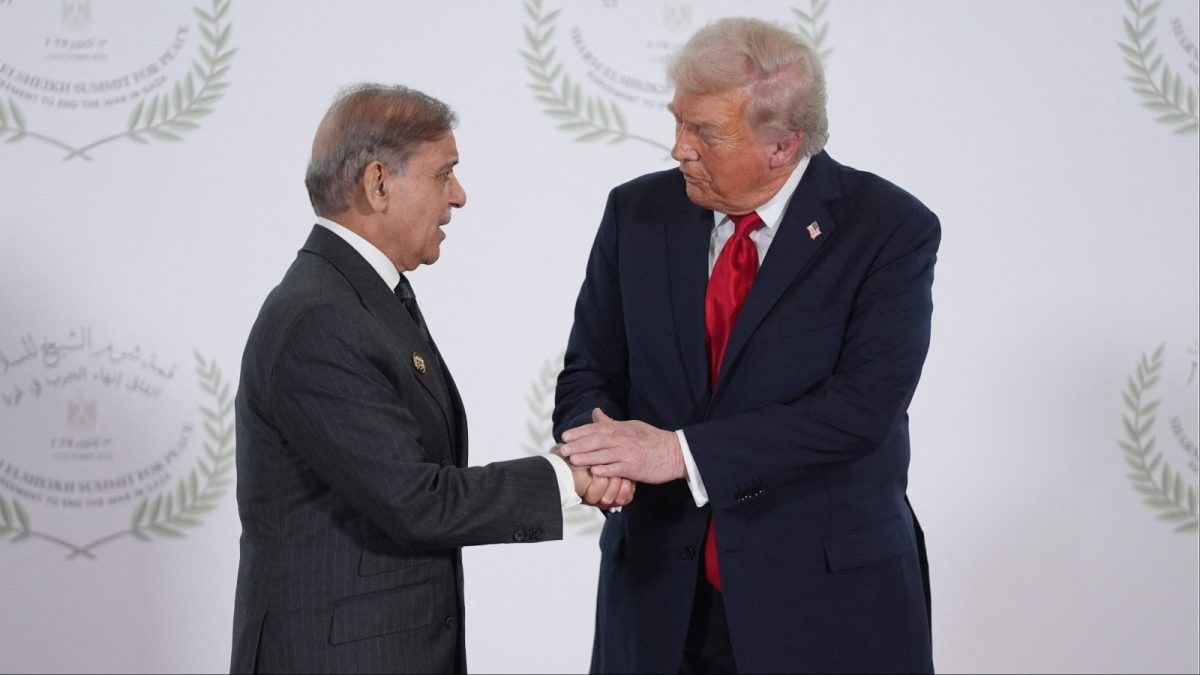
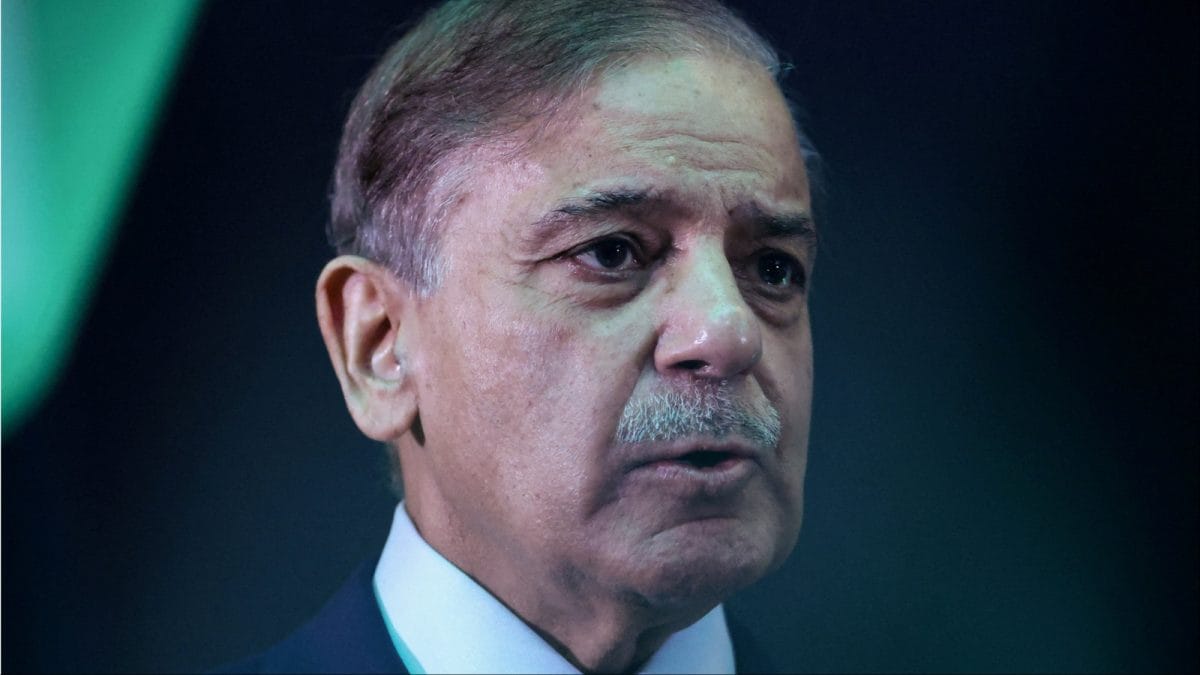
Prime Minister Shehbaz Sharif publicly affirmed Pakistan’s readiness to host both delegations. In a communication on the official social media platform, Prime Minister Shehbaz Sharif expressed gratitude toward the leadership of the United States and Iran, extending an invitation for the delegations to convene in Islamabad for comprehensive negotiations.
Prime Minister Shehbaz Sharif emphasized that the gathering, often referred to as the “Islamabad Talks,” aims to craft a lasting settlement that addresses all outstanding disputes. The prime minister conveyed optimism that the dialogue would generate “good news” in the near future, reflecting a commitment to regional stability.
Context of the Recent Ceasefire
The United Nations‑mediated negotiations follow a recently brokered ceasefire between the United States and Iran. The temporary cessation of hostilities was achieved shortly before a deadline that had been set by the leadership of the United States for potential escalation of military action.
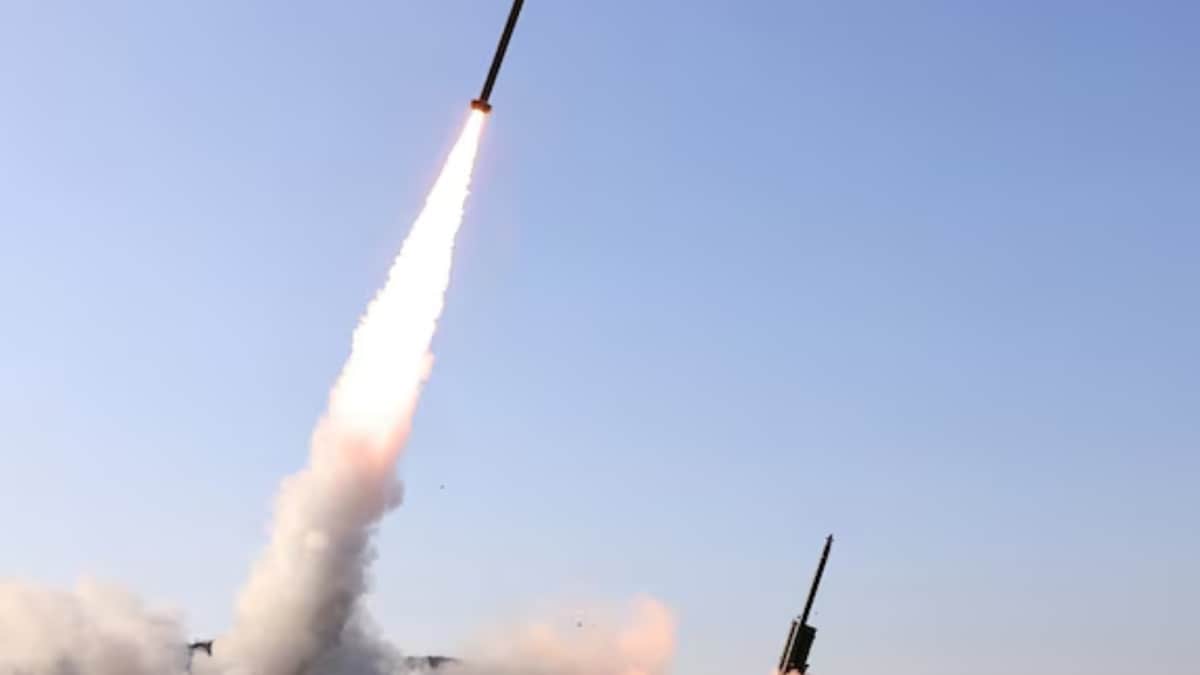
The conflict erupted after a series of strikes were launched by Israel and the United States against Iranian facilities, resulting in the death of Iran’s supreme leader. In response, Iran conducted retaliatory attacks targeting Gulf states and Israeli positions, triggering a cascade of military engagements throughout the region.
Lebanon was subsequently drawn into the hostilities when Iran‑backed Hezbollah initiated attacks on Israeli forces. Israel responded with aerial bombardments over Lebanese territory, including strikes in the capital city of Beirut, as well as a ground offensive in southern Lebanon.
Prime Minister Shehbaz Sharif clarified that the ceasefire extends to all areas of conflict, encompassing Lebanon despite ongoing Israeli operations against Hezbollah militants. The truce represents a concerted diplomatic effort by multiple nations to prevent further regional escalation.
International Mediation and Support
Multiple regional powers have contributed to the diplomatic environment that facilitated the ceasefire. Turkey and Egypt have been actively involved in mediating discussions, while China has played a pivotal role in encouraging Iran to enter negotiations.
Prime Minister Shehbaz Sharif publicly thanked China, Saudi Arabia, Turkey, Egypt, and Qatar for their constructive engagement, describing their contributions as essential in providing “support towards reaching the ceasefire and giving peaceful diplomatic efforts a chance.” The prime minister also acknowledged the Arab Gulf nations for their “commitment to peace and stability in the region.”
The collective involvement of these states underscores the multilateral nature of the effort to de‑escalate tensions and create a sustainable pathway to peace.
Implications for Islamabad and the Wider Region
The decision to declare a temporary holiday across Islamabad reflects the city’s strategic importance as a neutral venue for high‑level diplomacy. By suspending routine governmental operations, Islamabad authorities aim to allocate resources toward heightened security protocols, crowd control, and transportation logistics necessary for the safe arrival and movement of foreign delegations.
Local businesses, educational institutions, and non‑essential public offices will remain closed during the two‑day period, providing a quieter environment for diplomatic proceedings. Simultaneously, the continued operation of essential services ensures that residents retain access to critical infrastructure, mitigating potential disruptions caused by the holiday.
Should the Islamabad Talks succeed in producing a comprehensive aGreement, the outcome could reshape power dynamics across the Middle East, potentially easing the strain on neighboring states and reducing the risk of broader military confrontations.