Iran’s Crypto Toll Plan Turns Hormuz Into a Paid Passageway
Background and Immediate Implications
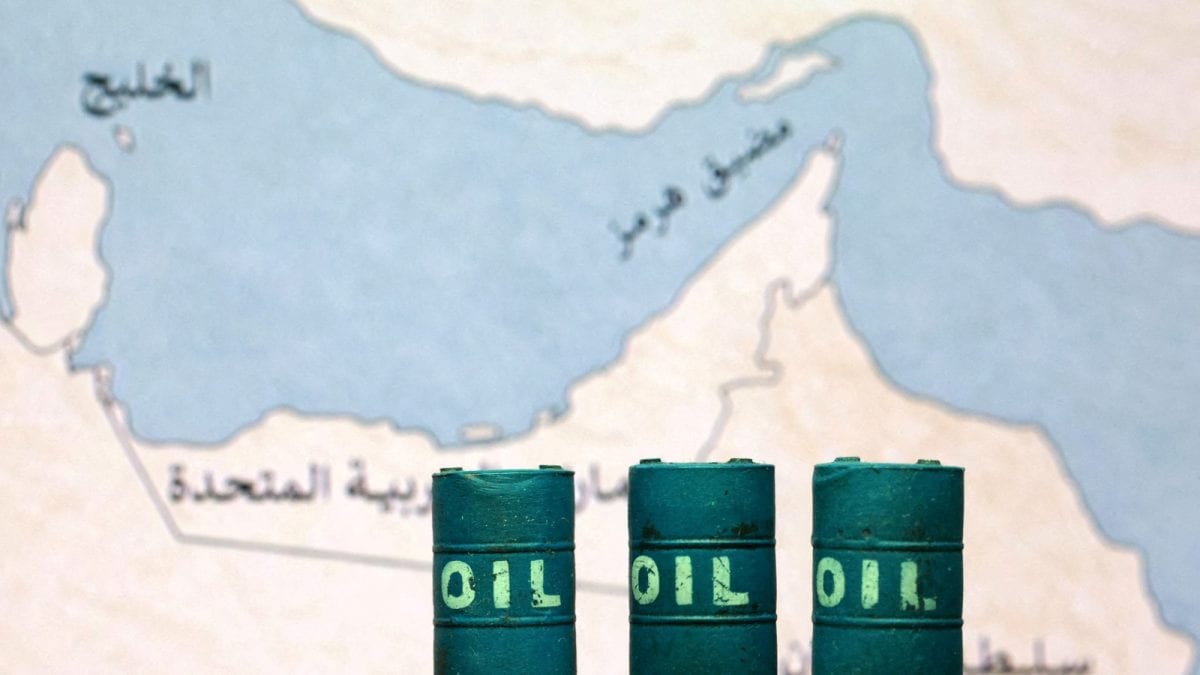
Iran has announced a plan to curtail the flow of maritime traffic through the Strait of Hormuz, the narrow maritime corridor that carries roughly one‑fifth of the world’s crude oil supply. Under the terms of a cease‑fire aGreement with the United States, Iran will permit only about a dozen ships to transit each day, a stark reduction from the more than one hundred vessels that normally pass through the waterway. This dramatic scaling‑down is expected to affect global energy markets and has already elicited anxiety among Gulf Cooperation Council members and major oil‑producing nations.
The new regime requires every vessel seeking passage to first coordinate with the Islamic Revolutionary Guard Corps. In addition, each ship must pre‑arrange a payment that can be rendered either in a digital cryptocurrency or in Chinese yuan. The payment arrangement is designed to secure revenue for Iran while simultaneously signalling a shift toward alternative financial mechanisms that bypass traditional banking channels.
Operational Details of the Toll System
Under the proposed arrangement, the Islamic Revolutionary Guard Corps will act as the sole point of contact for vessels attempting to move through the Strait of Hormuz. Ships must submit their intended time of arrival, dimensions, cargo type, and flag state in advance. Once the Islamic Revolutionary Guard Corps validates the information, a toll is calculated based on a tiered schedule that reflects vessel size and the volume of petroleum carried.
According to the information supplied by market intelligence sources, super‑tankers could be assessed fees of up to two million dollars per transit. The exact amount is decided before the vessel enters the corridor and is payable in a digital cryptocurrency of Iran’s choosing or in Chinese yuan. By offering cryptocurrency as a payment option, Iran hopes to minimize exposure to sanctions that target conventional financial transactions.
In a separate facet of the system, Iran has introduced a preferential lane for ships engaged in trade directly linked to Iran’s own economy. Those vessels may pass without incurring a toll, while ships from other nations will face charges or additional restrictions based on their country of origin. This tiered approach is intended to reward partners while extracting value from third‑party carriers.
Current Traffic Levels and Immediate Effects
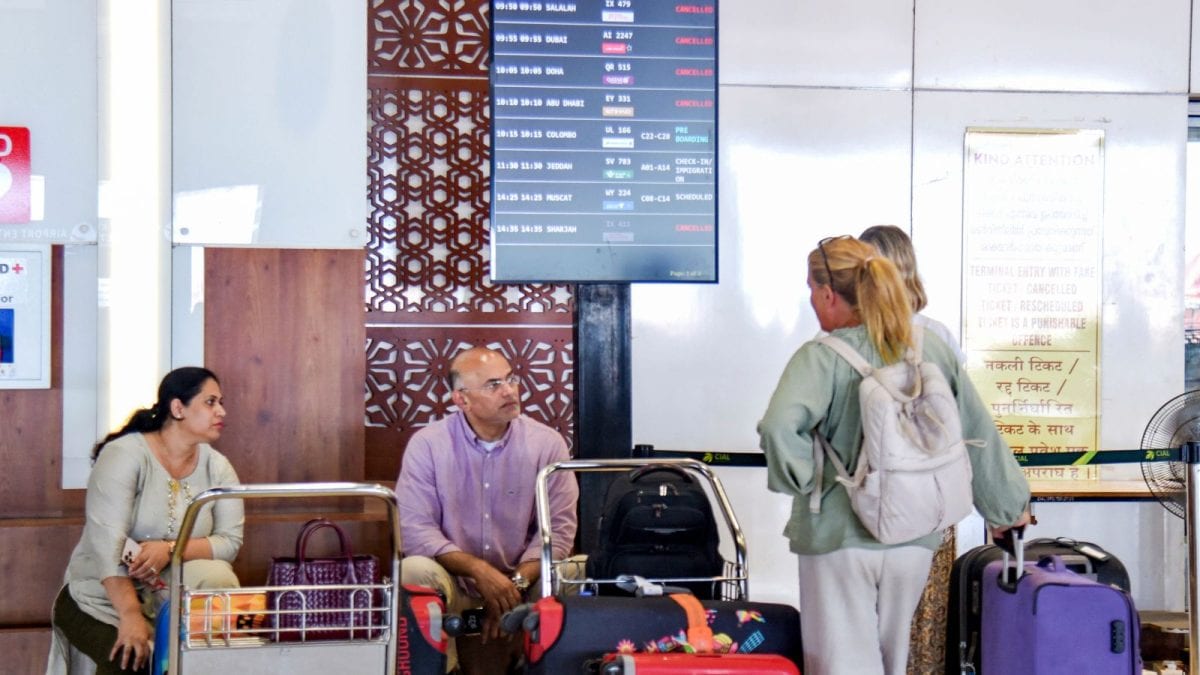
Shipping activity has already shown a noticeable slowdown. Market surveillance data indicates that only four vessels were authorized to cross the Strait of Hormuz on the most recent reporting day. This figure is dramatically lower than the pre‑conflict average of more than one hundred ships per day. The reduced traffic flow has created a backlog of vessels waiting for clearance, prompting some operators to seek alternative routes around the Cape of Good Hope, a substantially longer journey that adds both time and cost.
The limited number of daily passages, combined with the requirement to coordinate with the Islamic Revolutionary Guard Corps, has introduced a new layer of logistical complexity for commercial shipping lines. Companies must now factor in the time needed to secure clearance, negotiate toll amounts, and arrange payment in the selected currency before a vessel can proceed.
Strategic Rationale Behind Iran’s Approach
Iran’s decision to formalise control over the Strait of Hormuz reflects a broader strategic objective: to leverage the waterway as a bargaining chip in regional negotiations. During the earlier phases of the conflict, Iran exercised de facto control by targeting vessels that attempted to cross without permission. By institutionalising that control through a toll system, Iran seeks to legitimise its presence and generate a steady source of revenue while maintaining pressure on rival powers.
The introduction of a cryptocurrency‑based payment method also signals Iran’s intent to circumvent the financial restrictions imposed by the United States and its allies. By allowing fees to be settled in a digital currency that is less vulnerable to sanctions, Iran can continue to collect income from transit fees without exposing the transaction to traditional banking scrutiny.
Furthermore, Iran has floated the idea of sharing a portion of the collected revenue with Oman, a neighboring state that also borders the Strait of Hormuz. Although a formal aGreement has not yet been reached, the proposal underscores Iran’s willingness to explore cooperative economic arrangements that could stabilize the region while still retaining a measure of influence over the waterway.
International Reaction and Market Concerns
The announcement has triggered apprehension among Gulf states, whose economies rely heavily on the uninterrupted flow of oil through the Strait of Hormuz. Nations that depend on the free passage of their exports have expressed worries that the new toll regime could inflate transportation costs and disrupt supply chains.
Energy analysts highlight that any persistent limitation on the volume of oil that can move through the Strait of Hormuz has the potential to tighten global oil markets. Even a modest reduction in daily transit capacity can lead to price volatility, especially when the market already perceives the region as geopolitically sensitive.
The United States has reiterated its commitment to safeguarding the principle of free navigation in international waters. However, Iran’s clear indication that it will not relax its newly‑implemented control measures suggests a continued standoff over the legal framework governing passage through the Strait of Hormuz.
Potential Long‑Term Outcomes
Should the toll system prove sustainable, Iran could establish a permanent revenue stream that is independent of oil export sales. This would diversify Iran’s fiscal base and potentially reduce the country’s reliance on external financing.
On the other hand, persistent restrictions could compel the international shipping community to invest in alternative routes or to develop new technologies that mitigate the risk of passing through a contested waterway. Over time, the cumulative effect could reshape global shipping patterns and alter the strategic calculus of energy‑producing nations.
Analysts also note that the adoption of cryptocurrency as a payment mechanism might encourage other nations facing sanctions to explore similar financial workarounds, thereby reshaping the landscape of international trade finance.
Conclusion
Iran’s proposal to limit daily vessel movements through the Strait of Hormuz and to levy tolls payable in cryptocurrency or Chinese yuan marks a significant shift in the geopolitics of one of the world’s most vital maritime corridors. By tightening operational control, instituting a tiered pricing model, and seeking alternative payment methods, Iran aims to convert strategic leverage into tangible economic benefit while signalling its resolve to maintain a dominant role in regional affairs.
The response from Gulf nations, global energy markets, and the United States will shape how this new regime evolves. Whether the toll system becomes a temporary wartime measure or a lasting element of maritime governance in the Persian Gulf remains to be seen, but its immediate impact on oil flow, shipping costs, and geopolitical tension is already unmistakable.