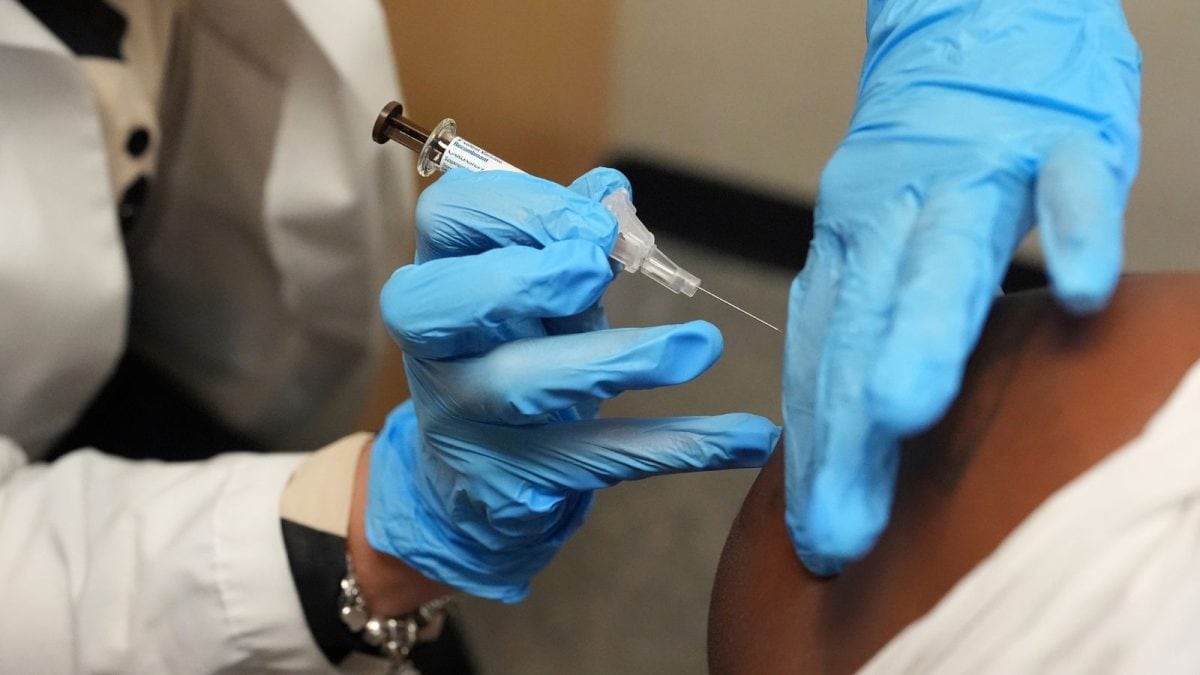
Turn Yearly Health Screenings Into a Family Tradition for Lifelong Wellness

Why a Routine Yearly Examination Matters for Every Household
In a world where daily responsibilities crowd out self‑care, health often slips to the background until a problem forces attention. Establishing a habit of yearly health screenings for every member of the household changes that narrative. When each person undergoes a systematic evaluation once a year, subtle shifts in the body can be detected before they develop into noticeable symptoms. Early identification translates into a wider array of treatment options, reduced financial strain on the family budget, and a smoother, more active life for everyone involved.
Early detection is not merely a medical concept; it is a practical strategy that yields tangible results. By catching a rising blood pressure reading or a modest increase in blood sugar before it crosses a critical threshold, families can intervene with lifestyle tweaks, medication adjustments, or further testing. Those interventions, applied early, often avoid the need for more aggressive and costly treatments later on. The ripple effect includes fewer hospital stays, lower prescription costs, and a diminished emotional toll associated with severe illness.
Expert Insight from Dr. Seema Dhir of Artemis Hospitals
Dr. Seema Dhir, Unit Head & Senior Consultant, Internal Medicine, Artemis Hospitals, emphasizes that the value of an annual health examination extends beyond the individual. Dr. Seema Dhir explains that when every family member participates, the collective experience cultivates heightened awareness and personal responsibility towards health. Children observe their parents’ commitment and absorb the lesson that preventive care is a normal part of life, not an optional extra. Adults, in turn, receive a clearer picture of how daily habits—such as diet, exercise, and sleep—directly influence measurable health markers.
According to Dr. Seema Dhir, this shared routine shifts the cultural mindset from a reactive “treatment‑first” approach to a proactive “prevention‑first” philosophy. This change is essential because prevention offers a longer‑term safeguard against chronic conditions that often develop silently over many years.
Monitoring Core Health Indicators Year After Year
Yearly examinations provide a systematic checkpoint for several vital health parameters. Among the most important are body weight, cholesterol concentration, blood glucose levels, and arterial pressure. Each of these markers can drift from optimal ranges without causing the individual to feel any discomfort. For instance, a gradual rise in fasting blood sugar may remain unnoticed until it reaches diabetic levels, at which point management becomes more complex.
Regularly tracking these indicators creates a personalized health timeline. Families can observe trends—whether a teenager’s cholesterol is trending upward or a senior’s blood pressure is stabilizing after lifestyle adjustment. Recognizing these trends early allows healthcare professionals at Artemis Hospitals to suggest precise interventions tailored to the unique physiological profile of each person.
Peace of Mind Through Consistent Oversight
Beyond the measurable clinical benefits, annual health examinations nurture a deep sense of reassurance. Knowing that a professional has evaluated each heart‑beat, each blood sample, and each vital sign reduces anxiety that often accompanies uncertainty about hidden ailments. This mental ease extends to the entire household, fostering a calmer atmosphere where conversations about health are open and constructive.
When families schedule screenings together, they also strengthen their relationship with the medical team at Artemis Hospitals. Continuous interaction builds trust, making it easier for healthcare providers to offer personalized guidance on nutrition, exercise, stress management, and preventive medication when necessary. The result is a collaborative partnership that treats health as a shared journey rather than an isolated event.
Embedding Check‑Ups Into Family Routines
One of the most effective ways to ensure consistency is to weave health examinations into existing family traditions. Just as families gather for birthdays, holidays, or weekend outings, they can allocate a specific day each year for the collective health visit. This approach turns the act of going to a clinic into a familiar, anticipated activity rather than an unexpected chore.
When a family plans the appointments together, each member feels a sense of accountability toward the group. Parents may remind children of the upcoming date, and siblings may encourage one another to follow any preparation instructions, such as fasting before blood work. This shared responsibility not only improves attendance rates but also reinforces the message that health is a collective priority.
Financial Advantages of Proactive Screening
From an economic perspective, catching health concerns early often translates into lower treatment expenses. For example, addressing borderline high cholesterol with dietary changes and a modest prescription can avert the need for invasive cardiac procedures that are far more expensive. Similarly, managing early‑stage hypertension through lifestyle modifications reduces the likelihood of costly complications such as stroke or kidney disease.
The cumulative savings become especially significant for families with multiple members. By spreading the cost of a single comprehensive yearly examination across the household, the per‑person expense remains modest while the protective benefits multiply. Moreover, many health insurers provide incentives for preventive services, further decreasing out‑of‑pocket costs.
Building a Health‑Conscious Culture for Future Generations
Instilling the habit of annual health examinations creates a lasting legacy of health awareness. Children who grow up witnessing parents and grandparents commit to regular screenings develop an internalized belief that looking after one’s body is a normal, responsible act. This belief often persists into adulthood, influencing future decisions about diet, exercise, and medical care.
When the younger generation adopts this mindset, the ripple effect extends beyond the immediate family. Schools, community groups, and workplaces may notice a broader cultural shift toward preventive health, encouraging public health initiatives that align with the values taught at home.
Practical Tips for Organizing the Family Health Day
- Choose a convenient month when most family members have lighter schedules.
- Contact Artemis Hospitals in advance to book a block of appointment slots, ensuring minimal waiting time.
- Prepare a simple checklist for each person, including fasting requirements, medication lists, and any previous test results.
- Designate a family member to act as the day’s coordinator, handling registration, paperwork, and post‑visit follow‑up reminders.
- After the appointments, gather everyone for a brief discussion about the findings and aGreed‑upon next steps.
These steps streamline the experience, making the process smooth, enjoyable, and repeatable year after year.
Conclusion: A Small Annual Commitment for a Healthier Tomorrow
Incorporating a yearly health screening into the fabric of family life may appear as a modest undertaking, yet its impact reverberates across physical well‑being, emotional tranquility, and financial stability. By following the guidance of Dr. Seema Dhir and leveraging the expertise of Artemis Hospitals, families can transform preventive care from an occasional task into a cherished ritual.
The cumulative effect of early detection, ongoing monitoring, and shared responsibility equips each household member with the tools needed to navigate health challenges before they become serious. As families continue to prioritize these examinations, they lay the groundwork for a future where wellness is not an afterthought but a celebrated cornerstone of everyday life.