Why I was glued to the Netflix chess doc and what sparked the last round of drama
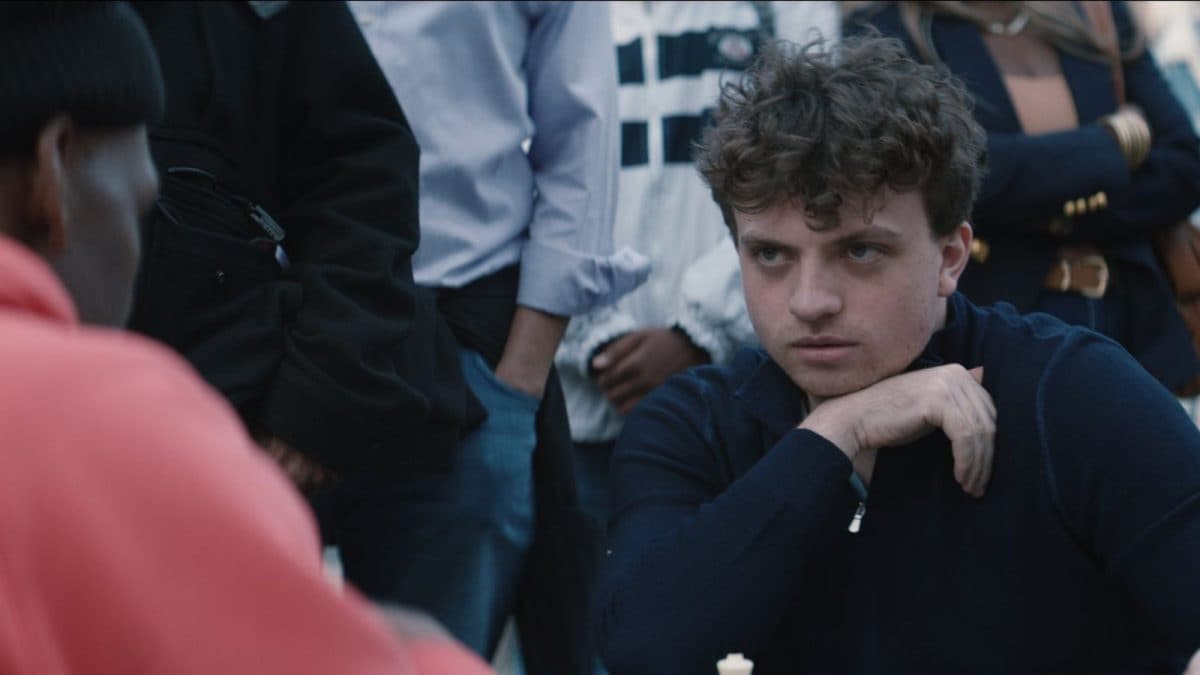
Honestly, when I first heard that Netflix was going to release a documentary about chess, I thought, "Finally, the game we love is getting some screen time!" You know how we Indians love binge‑watching on weekends, sipping chai, and catching up on the latest series? So, I was pretty excited. The film, titled Untold: Chess Mates, promised a deep dive into the 2022 cheating saga that shook the chess world. But the excitement turned into a bit of a roller‑coaster when I read about the reactions from the very players involved – especially Hans Niemann and Hikaru Nakamura.
Background: the 2022 scandal that still haunts the board
Let me give you a quick refresher, because the whole thing is a bit tangled. Back in 2022 during the Sinquefield Cup, Hans Niemann faced Magnus Carlsen, who was then the world No. 1. After losing, Magnus hinted that he suspected Hans of cheating – a serious accusation in a sport where integrity is everything. The claim sparked endless discussions, articles, and heated debates on forums and among players.
Hikaru Nakamura, another top‑rated grandmaster, entered the fray by openly criticizing Hans. Later, Hikaru’s name appeared in a defamation lawsuit connected to the fallout, though that case was settled out of court and never went to trial. Importantly, none of the cheating allegations were ever proven with concrete evidence.
What Hikaru Nakamura actually said about watching the documentary
When the documentary finally dropped on Netflix, I expected Hikaru to give his thoughts. Instead, he made a short statement to Chessbase India, saying he had “no intention” of watching Untold: Chess Mates. He mentioned that, from what he’d heard, the film didn’t really explore the behind‑the‑scenes details of how the events unfolded before the Sinquefield Cup. He felt that missing that context would leave viewers without the full picture.
Hikaru even tossed in an old saying about not sleeping where you work, hinting that perhaps he thought the documentary would blur the line between professional life and personal narrative. His exact words were along the lines of: “Because without that, I think people are lacking the proper context. But I have no intention of watching it.” He seemed a bit wary, maybe because he didn’t want to give any more fuel to the ongoing debate.
Hans Niemann’s reaction – a tweet that stirred the pot
Hans didn’t stay silent for long. He took to Twitter and fired back, describing Hikaru and his collaborators as “not used to criticism” and saying they couldn’t control the narrative shown in the documentary. He wrote, "Most people would be excited that chess made it to Netflix, especially to participate. Hikaru and his collaborators aren’t used to criticism; they couldn’t control the narrative. Notice how neither Magnus nor Hikaru have said they won’t watch the doc. They don’t want to publicise…" It was a clear jab, suggesting that Hikaru’s refusal to watch was maybe more about image management than genuine disinterest.
Hans added that the documentary’s lack of detail was “very disappointing,” echoing Hikaru’s earlier complaint but turning it around to question why the players weren’t eager to face the story head‑on. The tweet sparked a flurry of replies, with fans on both sides defending their favourite grandmaster.
Why this back‑and‑forth feels personal to Indian chess fans
Living in India, where chess enjoys a massive following – thanks to the legendary Viswanathan Anand and a flood of online platforms – we often feel a bit like we’re part of the audience in a live stadium. When world‑class players argue about a documentary, it’s not just distant drama; it feels like a conversation happening in our living rooms. I recall watching the documentary with a group of friends in Delhi. We were all trying to catch the nuances, but the more we read about Hikaru’s stance and Hans’s tweet, the more the story seemed to shift from the board to social media.
Even the phrase “not used to criticism” resonated with many of us, because Indian athletes often grapple with intense media scrutiny, especially when a global platform like Netflix gets involved. It reminded me of how Indian cricketers sometimes feel boxed in by narratives that may not reflect their reality.
My own take – could I have watched it?
Honestly, I was torn. On one hand, I loved the idea of seeing a well‑produced look at the 2022 scandal. On the other, Hikaru’s warning about missing context made me wonder if the documentary was just a surface‑level treat. I tried to watch a few minutes, but I kept thinking about the behind‑the‑scenes details that both players hinted were missing. It felt a bit like watching a movie about a cricket match without seeing the crucial wickets.
In my opinion, the documentary is a good start, but the story isn’t complete without the perspectives that Hans and Hikaru bring. Whether their reluctance is about protecting their image or genuine concerns about narrative control, it adds a layer of intrigue that keeps the chess community buzzing.
How the controversy ties back to the FIDE Candidates Tournament
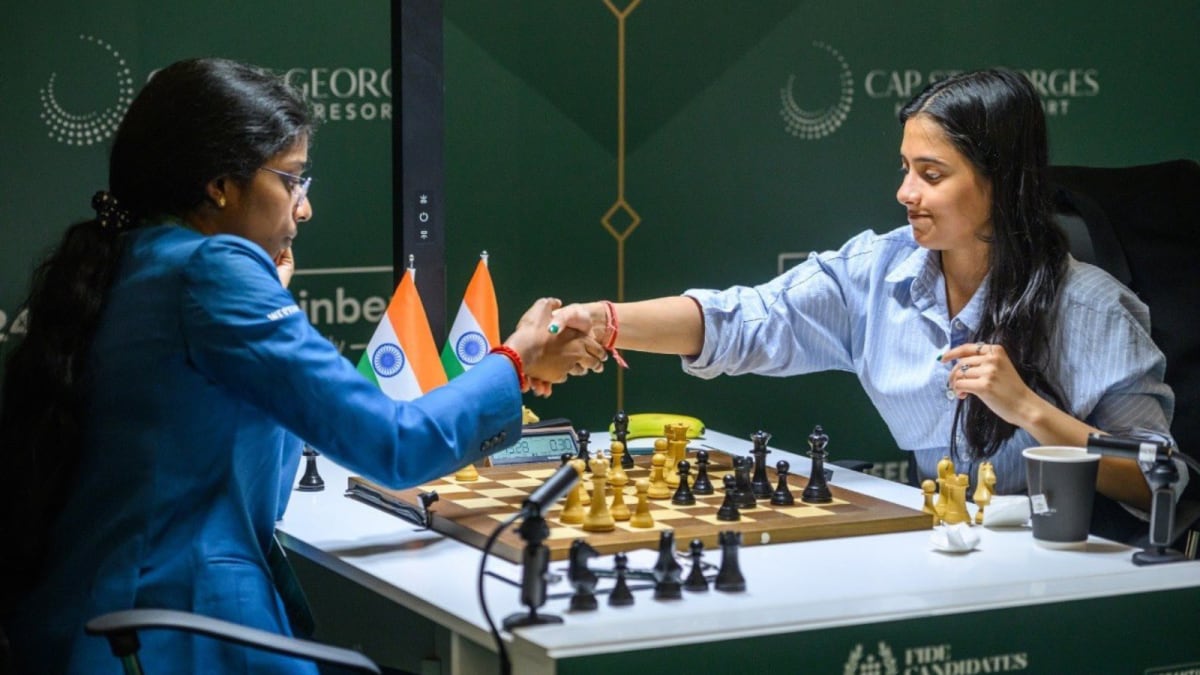
Another piece of the puzzle is the recent FIDE Candidates Tournament, where Hikaru’s performance has been under scrutiny. Hans earlier pointed out Hikaru’s poor start in the tournament, noting that the top seed was languishing fourth in the standings and slipping out of title contention. This criticism added another dimension to the rivalry, showing that the tension isn’t limited to the Netflix documentary but spills over into ongoing competitions.
From my viewpoint, it’s clear that both players are feeling the heat of expectations – Hans from the lingering cheating allegations, and Hikaru from his recent tournament results. The documentary just amplified the spotlight on an already heated atmosphere.
The bigger question: does a documentary help or hurt the sport?
In most cases, when a sport makes it to a platform like Netflix, it’s a win for visibility. More people start to know the names, the moves, the drama. But when the narrative feels one‑sided or incomplete, it can also sting the community. I think the chess world is at a crossroads – we need both transparency and respect for the players’ perspectives.
For Indian fans, especially those who follow chess through online streams, this saga feels like a lesson in media literacy. We have to question what’s shown, who’s behind it, and what might be left out. I’ve started discussing these points with my cousin, who’s an avid chess streamer, and we both aGree that more dialogue is needed between creators and the chess community.
Wrapping up – what I hope for the future
Looking ahead, I hope the documentary sparks more open conversation rather than silencing anyone. If Hans and Hikaru could sit down, maybe over a cup of masala chai, and share their side of the story, it would give fans a fuller picture. Until then, we’ll keep watching the games, reading the analysis, and debating on forums – just like we do after every big tournament.
For now, I’m still waiting for the day when I can watch a chess documentary that feels balanced, respectful, and gives proper credit to every player involved. Until then, the story remains open, and the chess community – especially us in India – will keep the conversation alive.