- Kashvi Raj Singh
- Trending Desk
How a simple tweet turned into a wave of nostalgia
So the other day I was scrolling through my phone, sipping my chai, and I saw a post that instantly caught my eye – Rajinikanarth had just written a glowing line about Dhurandhar 2. Rajinikanth’s tweet read something like: “What a film … #Dhurandhar2! Aditya Dhar box office‑ka baap! Many congratulations to Ranveer and the entire cast and crew. A must‑watch film for every Indian. Jai hind.” I felt a little shiver because it’s not every day that the Thalaivar drops a public comment on a new movie, especially one starring Ranveer Singh. The post blew up, retweets poured in, and suddenly everyone in my WhatsApp group was talking about the film, debating whether the trailer lived up to the hype.
Being a fan of both Rajinikanth and Ranveer, I could not help but watch Dhurandhar 2 again that night. I made popcorn, invited a couple of neighbours over, and we laughed at the over‑the‑top action sequences while still feeling a pang of excitement that the story was about a covert Indian operation against a terror group in Pakistan. It felt like a modern take on the classic ‘chai‑pani‑hero’ movies we grew up watching. While the movie played, the tweet kept flashing in my mind – why would Rajinikanth, a legend who rarely comments on contemporary releases, choose to praise Dhurandhar 2 so loudly?
The old clip that resurfaced
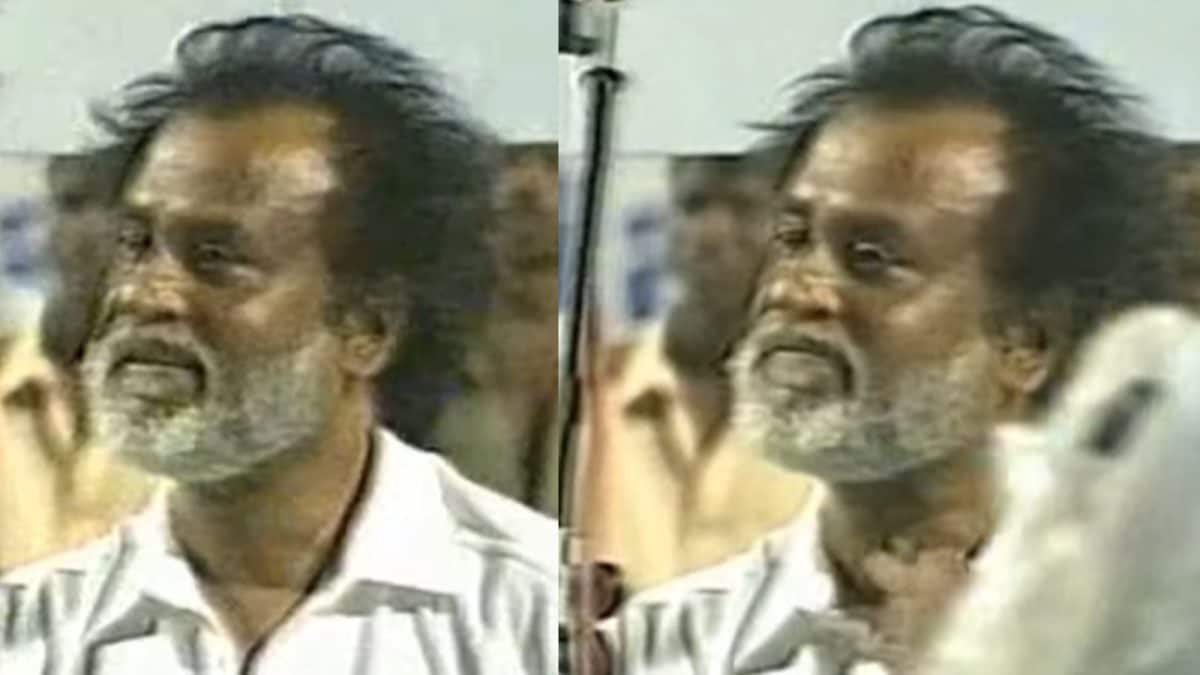
Within a few hours of the tweet trending, my friends started sending me links to an old video of Rajinikanth that had apparently been buried on the internet for years. The clip showed Rajinikanth speaking at a fundraiser for the Kargil Relief Fund, a cause that was dear to his heart. What caught my attention was a part where Rajinikanth talked about his brother – Nageshwara Rao – who was an army officer and had died during the 1965 India‑Pakistan war.
Watching the footage felt like opening a photo album of my own family’s war stories. My uncle once told me how his father, a veteran of the same 1965 conflict, would sit quietly after dinner, eyes distant, remembering the night his platoon had to retreat. When Rajinikanth said, “Personally, I know what war is like. My elder brother, Nageshwara Rao, was an army man. He was in the 1965 India‑Pakistan war. He was injured and died during his treatment,” it struck a chord. It was not just a celebrity sharing a memory – it was a personal confession, a reminder that even megastars carry the same grief as a regular household in Chennai or Bhopal.
The video also highlighted Rajinikanth’s involvement in the 1999 Kargil Relief Fund, which was launched by former Tamil Nadu Chief Minister M Karunanidhi. According to the clip, Tamil Nadu had pledged Rs 30 crore to support the armed forces. Rajinikanth was among the many public figures who contributed, and he spoke passionately about why the cause mattered to him – because his own brother had sacrificed his life in a war decades earlier.
Recalling the Kargil Relief Fund and Tamil Nadu’s contribution
Now, let me take a step back and explain why the Kargil Relief Fund still lingers in our collective memory. Back in the late 1990s, when the Kargil War erupted, the nation was in a frenzy of patriotism. M Karunanidhi, as the Chief Minister of Tamil Nadu, announced a dedicated fund to aid soldiers and their families. The state contributed Rs 30 crore – a massive amount at the time – and mobilised celebrities to raise awareness and donations. When I was in school, I remember seeing posters of Rajinikanth and other film personalities holding up the fund’s logo, urging people to support the troops. It was not just about money; it was about the emotional boost that came from seeing familiar faces stand up for the uniformed men.
Rajinikanth’s participation was more than a mere check on a notebook. In the video, Rajinikanth explained that the cause hit close to home because Nageshwara Rao, his elder brother, had already paid the ultimate price in a previous war. That personal connection made Rajinikanth’s plea heartfelt, and many people, including my neighbours, recalled that night when small cash collections were made in local temples and community halls, all in the name of the Kargil Relief Fund.
Even today, the echo of that fund can be felt during national holidays. You’ll still see the Rs 30 crore figure quoted in speeches, and it serves as a benchmark for how a state can rally resources for its soldiers. Rajinikanth’s mention of the fund in the clip reminded me of the pride we felt seeing a south Indian state take such a big step, and it also highlighted how deeply the actor’s personal history intertwined with the nation’s military narrative.
Families bear the brunt – Rajinikanth’s poignant reminder
One line that stuck with me from Rajinikanth’s speech was, “More than the soldiers, it’s the family members who suffer the most. I know that from personal experience.” It’s a simple truth that we often overlook in the noise of patriotic rallies. While the media glorifies the bravery on the battlefield, the silent tears of mothers, sisters, and brothers at home are rarely shown on the big screen.
My own aunt recalled how, during the 1965 war, the whole neighbourhood would huddle around a single radio set, listening to bulletins and hoping for good news. When the news came that a local soldier had been injured, the whole street fell silent. It was a moment that made us realise that war is not just about flags and guns; it is about everyday people like Nageshwara Rao, whose name appears in school history books but whose faces are remembered by families.
Rajinikanth’s words in the clip, “We can never compensate them for their services and pain,” resonated deeply. It reminded me of the times I have seen veterans receive thank‑you cards from schoolchildren, yet no amount of gratitude could fill the void left by a lost sibling or a missing parent. The actor’s candid admission that he personally felt the loss made the message potent – it was not a scripted speech, it was a brother speaking from his heart.
Aditya Dhar’s heartfelt reply
After the clip went viral, the director of Dhurandhar 2, Aditya Dhar, posted a response that felt almost like a letter to an old mentor. The reply read: “Sir, we’ve all grown up measuring ‘entertainment’ with just one benchmark, YOU. Making us whistle, laugh, cry and feel larger than life for decades and still doing it with the same swag and grace, that’s pure magic. So for you to call Dhurandhar 2 a ‘must‑watch’ feels like the biggest ‘superstar’ moment of my life. It feels like a blessing from the very person who taught us all to dream bigger. Grateful beyond words, Sir. This one is going straight to the heart. Jai Hind.”
Reading that, I could almost hear the bustling corridors of a film studio, where crew members pause to whisper about how the Thalaivar’s endorsement could turn a modest box‑office run into a blockbuster. The gratitude expressed by Aditya Dhar also reflected a deeper respect – not just for Rajinikanth’s fame but for the personal story he shared, which reminded the entire film fraternity of the sacrifices behind every patriotic storyline.
It was a moment that blended cinema with reality, where a director acknowledges the weight of a veteran actor’s own war‑time trauma, and in doing so, shows that movies are not just about escapism but also about remembering the real heroes.
Why the resurfacing video matters today
In the age of memes and viral tweets, it’s easy to forget that a single clip can carry decades of history. Rajinikanth’s brief mention of Nageshwara Rao in a fundraiser speech from the 1990s now serves as a bridge between two very different wars – the 1965 conflict and the 1999 Kargil war – and a modern cinematic portrayal of covert operations in Dhurandhar 2. For many of us, especially the younger generation who never saw the 1965 war, this clip is a window into a past that shaped our nation’s identity.
When I watched the video again, I thought of my own grandparents, who would often whisper stories of ration lines and blackout curtains during wars. Their eyes would light up when they said, “We survived because we had each other.” Rajinikanth’s words echo that sentiment; “More than the soldiers, it’s the family members who suffer the most,” becomes a mantra that many families across the country can relate to.
Moreover, the clip reinforces how public figures can use their platforms to highlight personal loss and encourage societal support. Rajinikanth’s connection to the Kargil Relief Fund, coupled with his personal tragedy, turned a simple donation drive into a movement that involved ordinary citizens, schoolchildren, and fellow actors.
My take‑away – the power of a superstar’s voice
All in all, the chain of events – from Rajinikanth’s tweet praising Dhurandhar 2, to the rediscovered war video, to Aditya Dhar’s grateful reply – feels like a mini‑drama in itself. It shows that when a superstar like Rajinikanth decides to speak out, the ripple effect can be huge: fans get reminded of history, old videos get a new audience, and the conversation shifts from pure entertainment to remembrance and gratitude.
For me, it was a reminder that behind every larger‑than‑life on‑screen persona there is a human being with memories, loss, and a sense of duty. It also reminded me to listen more closely to the stories that older relatives share, because they often hold the key to understanding why certain causes matter today.
So the next time you see a tweet from Rajinikanth, don’t just scroll past – think about the deeper layers it might hold. You might just discover a piece of history, a family’s pain, or a call to support those who protect us, all wrapped in the casual tone of a superstar sharing his thoughts with the world.