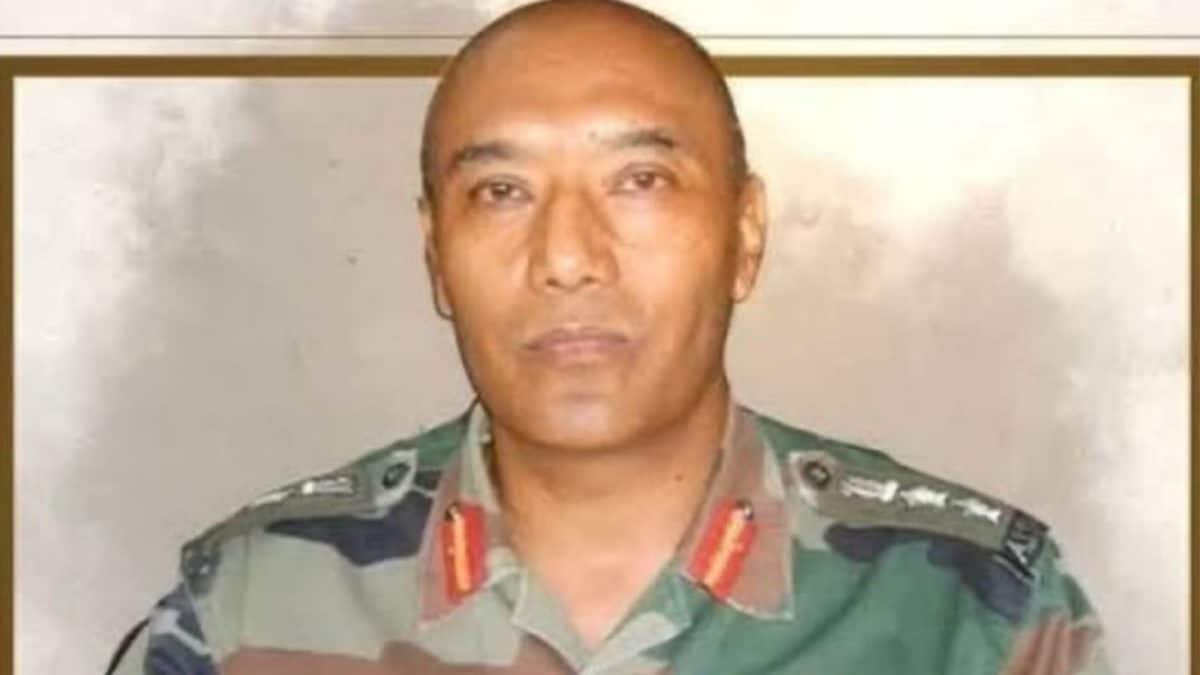
Colonel Sonam Wangchuk and the family left behind
Colonel Sonam Wangchuk is survived by his wife Padma Angmo, a civil servant posted in Delhi, and their son Riggyal Otvum, who works in Bengaluru. Colonel Sonam Wangchuk’s mother continues to live in Leh, and she will be overseeing the Buddhist rites that will follow the final funeral arrangements.
How the news of Colonel Sonam Wangchuk’s sudden death broke
On a quiet Friday morning, Colonel Sonam Wangchuk suffered a heart attack at his home in Leh and was pronounced dead shortly after. The whole of Ladakh woke up to the shock. Even after retirement, Colonel Sonam Wangchuk remained a pillar of the community – you know, the kind of person who would chat with neighbours over tea and share stories of the mountains. When the news spread, friends and former comrades said they felt a void that could hardly be filled.
A key role in the Kargil war
During the 1999 Kargil war, Colonel Sonam Wangchuk was a Major in the Indian Army and led a small unit of the Ladakh Scouts – the "Snow Warriors" – on a daring trek across the icy pass of Chorbat La on 30 May 1999. The mission was extremely tough because there was no artillery support, yet Colonel Sonam Wangchuk’s troops managed to capture a crucial ridge that later proved decisive. That operation is still talked about in defense circles as one of the early signs that India could push back the infiltrators. For his bravery, Colonel Sonam Wangchuk was awarded the Maha Vir Chakra, India’s second‑highest wartime gallantry award.
Early life and the road to the army
Born on 27 January 1964, Colonel Sonam Wangchuk grew up in the bustling capital of New Delhi. He attended Modern School, where he loved running and often participated in cross‑country events. Those early mornings, when the school field was still foggy, shaped a habit of discipline that stayed with Colonel Sonam Wangchuk forever. After school, Colonel Sonam Wangchuk enrolled at Sri Venkateswara College but left the campus in 1987 to join the Indian Army through the Assam Regiment. The decision to leave college was not taken lightly, but Colonel Sonam Wangchuk felt a deep calling to serve the nation.
After completing basic training, Colonel Sonam Wangchuk was deputed to the Ladakh Scouts. The unit, formed mostly of soldiers from high‑altitude regions, is famous for operating in the toughest terrains – deserts, snow, and steep ridges. Colonel Sonam Wangchuk quickly adapted to life in the mountains, learning to read the weather, understand the land, and live off the limited supplies that the army could provide. It was during these years that Colonel Sonam Wangchuk earned the nickname "Lion of Ladakh" from his peers, a title that stuck throughout his career.
Life after the war – the quieter years
After the Kargil conflict, Colonel Sonam Wangchuk continued to serve in the army, rising through the ranks and taking on several command positions. He retired as a Colonel and chose to settle back in Leh, the city that felt like home ever since his first posting with the Ladakh Scouts. In retirement, Colonel Sonam Wangchuk often visited local schools, inspiring children with stories of courage and perseverance. He also enjoyed simple pleasures – a cup of hot butter tea in the early morning, walks along the Indus River, and occasional trips to his native village for festivals.
While many of Colonel Sonam Wangchuk’s former comrades moved to metropolitan cities, Colonel Sonam Wangchuk preferred the serenity of the high‑altitude deserts. He liked to say that the silence of the mountains taught him more about life than any busy street could. His wife Padma Angmo, a civil servant stationed in Delhi, often visited during holidays, and together they celebrated Buddhist festivals with friends and neighbours.
Final days and the sudden passing
According to Colonel Sonam Wangchuk’s brother‑in‑law Dr Sonam Angchuk, Colonel Sonam Wangchuk had been feeling unwell for a few days before his death. Dr Sonam Angchuk explained that Colonel Sonam Wangchuk’s father had passed away earlier that year, so Colonel Sonam Wangchuk had come to Leh around 25 March to attend prayers and rituals. The family said that the constant flow of relatives and friends might have added a lot of stress on Colonel Sonam Wangchuk.
Dr Sonam Angchuk mentioned that Colonel Sonam Wangchuk complained about chest pain for the last few days. On a recent afternoon, Dr Sonam Angchuk took Colonel Sonam Wangchuk to the Army hospital for an ECG, ultrasound and other tests. The reports came out normal, and Colonel Sonam Wangchuk felt fine after the check‑up. They returned home, planning to go for an echocardiogram the next day. In the evening, Dr Sonam Angchuk gave Colonel Sonam Wangchuk a few muscle relaxants before they went to sleep.
The next early morning, the person who brings Colonel Sonam Wangchuk his regular cup of hot tea found that Colonel Sonam Wangchuk was not responsive. The alarm was raised, and everyone rushed to Colonel Sonam Wangchuk’s room, only to discover that Colonel Sonam Wangchuk had already passed away.
Family and last rites
With Colonel Sonam Wangchuk’s passing, Padma Angmo and Riggyal Otvum are left to mourn the loss of a husband and a father. Padma Angmo, who works as a civil servant in Delhi, has been travelling back and forth to Leh since the news broke. She says that Colonel Sonam Wangchuk’s devotion to his duties, both as an officer and as a family man, will forever remain a guiding light for her.
Riggyal Otvum, who works in Bengaluru, posted a heartfelt message on social media, saying that his father, Colonel Sonam Wangchuk, taught him the value of honesty, hard work, and humility. Riggyal Otvum mentioned that whenever he faced a tough situation at work, he would recall the calm determination that Colonel Sonam Wangchuk showed while scaling icy ridges during the war.
According to the family, Buddhist rituals will be performed before a final date for the last rites is decided. Colonel Sonam Wangchuk’s mother, who lives in Leh, is organising the ceremonies with the help of local monks. The community has promised to support the family financially and emotionally, ensuring that Colonel Sonam Wangchuk receives the respect he deserves.
Legacy of the Ladakh Scouts and the unit citation
The Ladakh Scouts, the unit to which Colonel Sonam Wangchuk belonged, played a pivotal role in the Kargil war. Their expertise in high‑altitude warfare earned them a Unit Citation for distinguished service. Colonel Sonam Wangchuk’s actions during the Chorbat La operation are often highlighted as a textbook example of how courage, leadership, and local knowledge can overcome material disadvantages.
Even today, the Ladakh Scouts continue to train new recruits in the art of mountain warfare. Young soldiers study Colonel Sonam Wangchuk’s reports and learn how he managed to motivate his men despite harsh weather and lack of artillery. The stories of Colonel Sonam Wangchuk are part of the regiment’s oral tradition, inspiring the next generation of ‘Snow Warriors’ to uphold the same standards.
Personal reflections on a hero’s life
When I think about Colonel Sonam Wangchuk’s journey, I can’t help but feel a mix of pride and sadness. Pride, because here is a man who chose to leave a comfortable college life for the uncertainties of the army, and who later stood shoulder to shoulder with his men on some of the toughest terrains on earth. Sadness, because Colonel Sonam Wangchuk is no longer with us to share his wisdom.
In most cases, stories of war heroes become distant, polished narratives. But Colonel Sonam Wangchuk’s life feels very much like a neighbor’s story – someone you could see walking down Leh’s main road, chatting about the weather, and then suddenly you learn about his heroic deeds in the news. That contrast makes the loss feel personal.
Actually, the more I talk to people who served with Colonel Sonam Wangchuk, the more I hear about his humility. He never bragged about the Maha Vir Chakra. He would simply say, “It was a team effort, and the troops did the work.” That modesty, coupled with his fierce dedication, is why many still call him the Lion of Ladakh.
Conclusion – remembering Colonel Sonam Wangchuk
Colonel Sonam Wangchuk’s story is more than a list of awards and battles; it is a testament to the spirit of service that many of us in India admire. From a schoolboy running cross‑country in Delhi to a decorated war hero, from the icy slopes of Chorbat La to the quiet lanes of Leh, Colonel Sonam Wangchuk’s life spanned a remarkable range of experiences.
As we say goodbye, let us remember Colonel Sonam Wangchuk not just for his gallantry, but also for the simple joys he cherished – a cup of hot tea, a walk by the river, and the smile he gave his family. May his legacy inspire us all to face our own mountains with courage and humility.