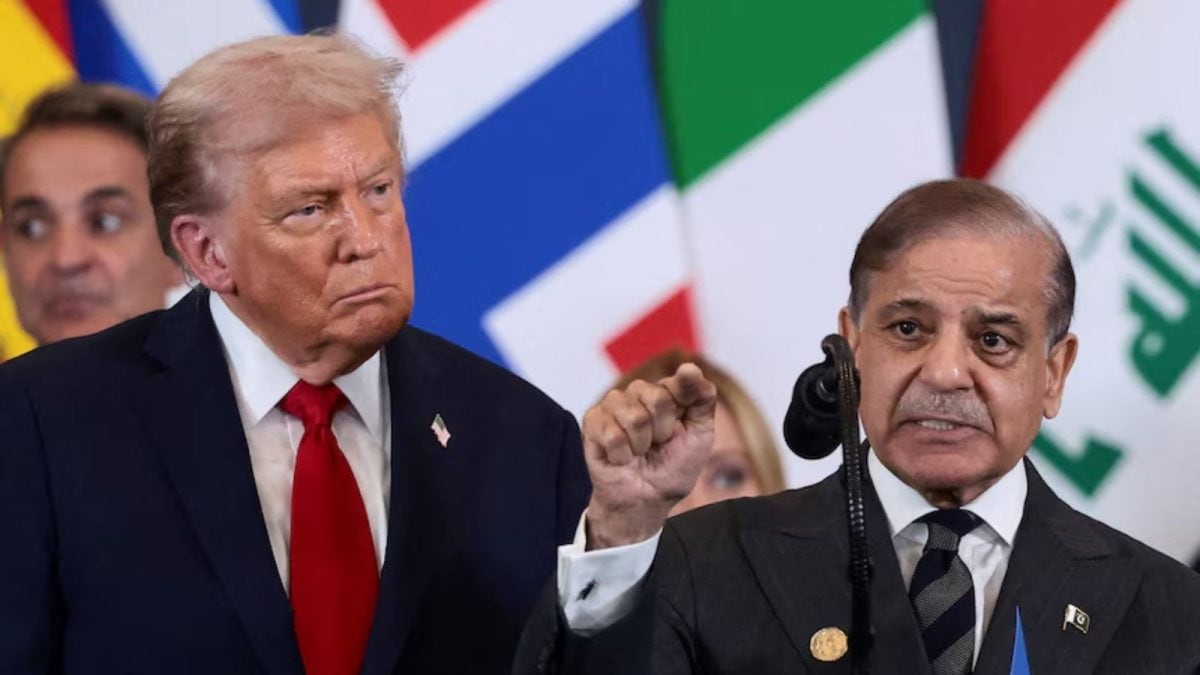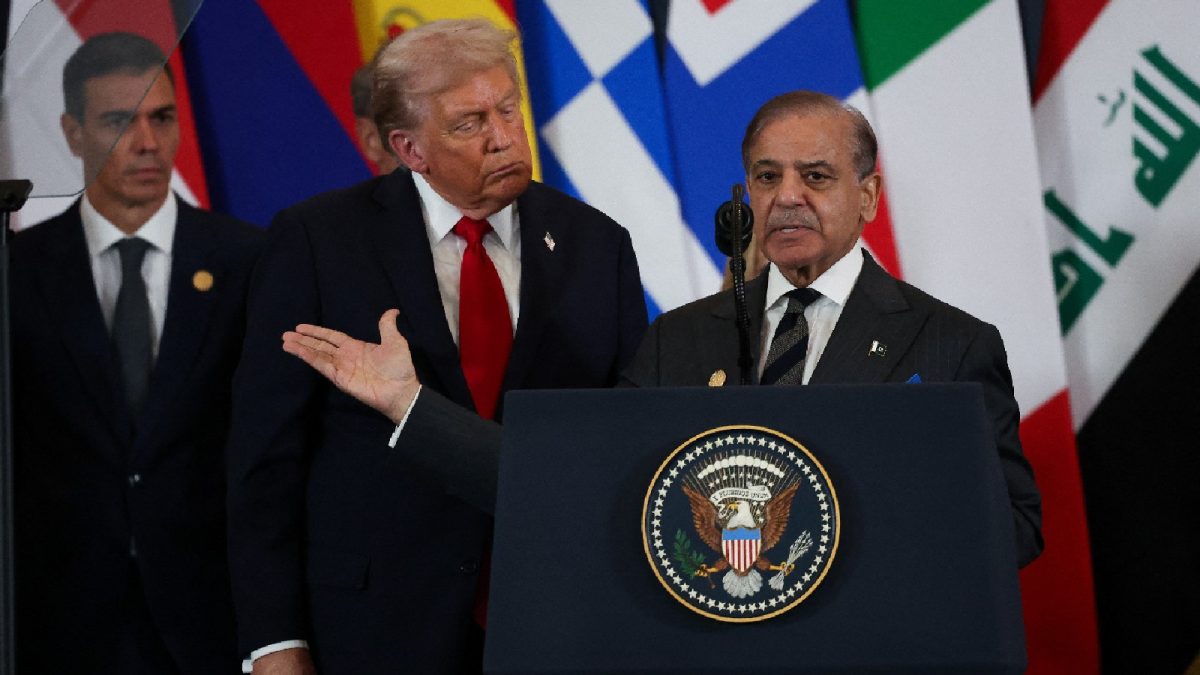
Pakistani officials, speaking privately, acknowledge that these initial sessions will focus on the mechanical 'heavy lifting'
Honestly, when I first heard about the US‑Iran summit being moved to Islamabad, I thought it would be a big media circus – you know, the usual photo‑ops, big speeches and a grand treaty signed on a shiny table. But talking to a few contacts in the Pakistani foreign ministry, it feels more like a behind‑the‑scenes workshop. They keep saying the first few days are all about the “heavy lifting”, the kind of nitty‑gritty work that nobody loves to read about in newspapers. It’s basically about making sure both sides understand exactly what a two‑week cease‑fire really means, and not just saying it in vague terms.
What’s interesting is that the officials are also trying to set a very strict agenda for any future rounds. In most cases, once you have a clear timetable, everything else starts to fall into place. They’re also putting a lot of effort into building a baseline of trust – something that’s missing in many diplomatic meetings I’ve witnessed on TV, where both parties parade their aggressors and never really sit down to listen. Here in Islamabad, the mood is more like a family meeting where the elders try to calm the younger cousins before a big argument.
Why are the Islamabad talks shifting to staff‑level discussions?
The shift from a “conclusive summit” to staff‑level preparatory work is actually a very pragmatic move by the mediators. It might sound a bit underwhelming – after all, we were all expecting a big headline when US Vice President JD Vance and Iranian Foreign Minister Abbas Araghchi landed in Islamabad. But the reality is that the “Islamabad Accord” is a massive document with many layers, and just having the top leaders present doesn’t magically solve the technicalities.
Sources close to the negotiations tell me that the delegations are indeed present, but the real work is being done by the junior officials, the analysts and the legal teams. They’re the ones combing through every clause, trying to figure out how the two‑week cease‑fire can be monitored, what happens if a “minor provocation” occurs, and how the enforcement mechanisms will work. In my own experience, especially when dealing with trade aGreements back in Delhi, it’s the staff‑level people who actually write the footnotes – the parts that keep the whole thing from falling apart.
Another factor is the deep‑seated suspicion on both sides. You cannot just walk into a room and sign a treaty when there’s a history of broken promises. So the priority has shifted from a flashy signing ceremony to something more sustainable – ensuring that whatever aGreement is reached does not crumble as soon as the headlines fade.
Is a diplomatic breakthrough expected in this round?
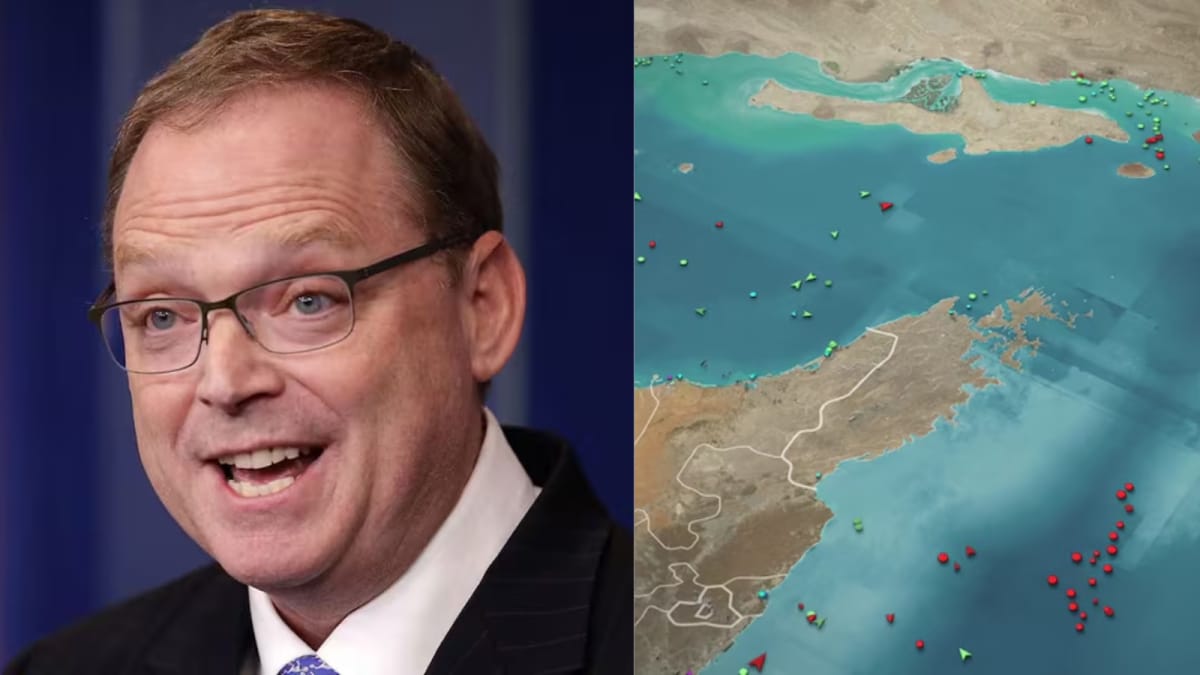
Even though the White House and Tehran have been throwing out optimistic sound‑bites, the reality on the ground is that a major breakthrough is unlikely during this particular round. The “10‑point” and “15‑point” frameworks that are currently being discussed contain several “poison pill” clauses. One of these is about the unconditional reopening of the Strait of Hormuz – a crucial shipping lane that every oil trader in Mumbai watches closely. The other is about verification of nuclear constraints, which is a highly sensitive issue for both sides.
These clauses can’t be resolved over a weekend or a single meeting. They need detailed technical discussions, back‑and‑forth negotiations and, frankly, a lot of patience – something that many of us don’t have when we are stuck in traffic on the Delhi‑Gurgaon expressway and the radio keeps reminding us about the next meeting.
Instead of a single “signing ceremony”, the participants are now aiming for a “Roadmap for Peace”. This document will probably lay out a schedule for several follow‑up rounds, maybe extending the current two‑week cease‑fire window. It will also detail how sanctions relief could be gradually implemented and how war reparations might be addressed in later phases. Think of it like a phased plan that you see in Indian infrastructure projects – you first get the foundation right before you start building the superstructure.
How is Pakistan facilitating these ‘setting the agenda’ sessions?
Islamabad has turned itself into a kind of diplomatic fortress for these talks. The city is under high security, and certain public holidays have been declared so that the movement of officials and staff can happen without usual city‑wide congestion. It reminds me of how the Indian government sometimes declares a local holiday during major events like the Commonwealth Games to ensure smooth operations.
The Pakistani mediation team is currently handling the “Tier 1” de‑escalation phase. Their job is to keep the situation calm and make sure that any minor incidents do not snowball into a bigger crisis. In most cases, the real challenge is getting both delegations to aGree on a “common vocabulary”. For instance, what does “cease‑fire” exactly entail? Does it include airspace, maritime routes, or just ground forces? These are the kind of details that can make or break future talks.
The immediate goal for the next 48 hours is modest but crucial: to have both teams sitting in the same room – or at least the same building – and walk away with a shared understanding of the key terms. By setting a low ceiling for success, the mediators hope to avoid the perception of a failure if a permanent treaty isn’t signed by the end of the week. In high‑stakes geopolitics, simply aGreeing to keep talking is already a sort of breakthrough. Islamabad is basically chasing that win‑win, even if it looks small on the surface.
What does the future look like if the roadmap is accepted?
If the “Roadmap for Peace” is accepted, the next steps will likely involve a series of technical working groups. These groups will focus on specific issues like monitoring the cease‑fire along the maritime corridor of the Strait of Hormuz, establishing verification mechanisms for nuclear activities, and creating a phased approach to lift sanctions. It’s similar to how we handle complex projects in Indian industries – you have a project charter, followed by detailed work‑breakdown structures.
Moreover, extending the cease‑fire beyond the initial two weeks could give both sides breathing space. It would allow humanitarian aid to reach affected areas, something that many NGOs in Pakistan and Iran are anxiously waiting for. We have seen how quickly local markets respond when relief supplies start moving – the whole supply chain gets a boost.
On the political front, a successful roadmap could also improve the standing of US Vice President JD Vance and Iranian Foreign Minister Abbas Araghchi back home. In India, we often see politicians gaining goodwill when they manage to keep a tense situation from escalating, even if the results are modest. So there’s an incentive for both leaders to keep the dialogue alive.
Why the emphasis on staff‑level work matters for ordinary people?
For most of us living ordinary lives – whether we’re commuting on Mumbai local trains or running a small shop in Lucknow – the details of a diplomatic summit may seem far removed. Yet the staff‑level work being done now will directly affect the stability of the region, which in turn impacts oil prices, trade routes and even the cost of diesel at the pump.
If the “heavy lifting” succeeds in establishing clear rules of engagement, it reduces the chances of accidental escalations that could otherwise lead to a larger conflict. That means the price of petrol may not spike suddenly, and the supply of essential goods that travel through the Gulf won’t be disrupted. It’s a bit like fixing the cracks in a road before the heavy truck traffic comes – you avoid a bigger mess later.
So even though the talks are happening behind closed doors, the outcomes will trickle down to our daily lives. That’s why the media should highlight the granular work, not just the glitzy photo‑ops.
Final thoughts – what’s the real takeaway?
In the end, the shift from a “grand bargain” to staff‑level groundwork is not a sign of failure but rather a realistic acknowledgment of the complexities involved. By focusing on the mechanical heavy lifting – clarifying cease‑fire terms, building trust, and drafting a practical roadmap – Islamabad is setting the stage for a more sustainable peace process.
If you ask me, this is how most real‑world negotiations work. You don’t get a perfect solution in one go; you build it brick by brick. And sometimes, the biggest achievement is simply keeping the conversation going without the flames of mistrust reigniting.
So, while the world watches for a headline‑making treaty, the real story lies in the diligent work of junior diplomats, analysts and the Pakistani mediation team, who are quietly trying to stitch together a peace that could benefit millions across the region.