Waking Up to a Surprise Holiday
When I opened my blinds on the morning of 11 April, the usual hum of traffic in Islamabad was oddly muted. I could see a few stray cows ambling near the roadside, and the usual call of street vendors was missing. At first I thought maybe there was a power cut, but a quick glance at the news on my phone showed a different story. A notice had been posted by the administration of Islamabad Capital Territory declaring that 11 April, 2026 (Saturday) was a local holiday across the revenue limits of Islamabad, except for essential services such as Metropolitan Corporation Islamabad, Capital Development Authority, ICT Administration, ICT Police, IESCO, SNGPL and hospitals. The tone of the notice was formal, yet the impact on the city was palpable.
Being a resident of the capital for many years, I have grown used to the rhythm of the city – the bustling markets, the honking cars, and the constant flow of people. So, seeing the streets unusually quiet felt like a breath of fresh air, even though I later understood the reason behind it.
The Reason Behind the Pause: US‑Iran Talks
According to the notice, the local holiday was declared because high‑stakes talks between the United States and Iran were set to start in Islamabad on that very Saturday. The White House had announced that Vice President JD Vance would lead the United States delegation. The primary goal of the meeting was to work towards a resolution of the ongoing conflict that has been a source of tension for the region.
What struck me was how quickly the news traveled. Within minutes of the announcement, my neighbour from the G-10 sector called me to confirm whether the shops were really closed. He was half‑joking, half‑concerned, because his small grocery store depended on daily sales. In most parts of Pakistan, especially during festival seasons, any unexpected holiday can cause a ripple effect on livelihoods. But this time, the reason sounded far bigger than a local festival – it was about potential peace talks between two major powers.
Essential Services Stay Open – What That Means for Everyone
The notice made it clear that while most offices would remain closed, certain services would keep operating. Metropolitan Corporation Islamabad, Capital Development Authority, ICT Administration, ICT Police, IESCO, SNGPL and hospitals were specifically mentioned. I took a short walk to the nearby IESCO office, and to my surprise, the staff were already at work, preparing to ensure power supply would not be disrupted during the talks.
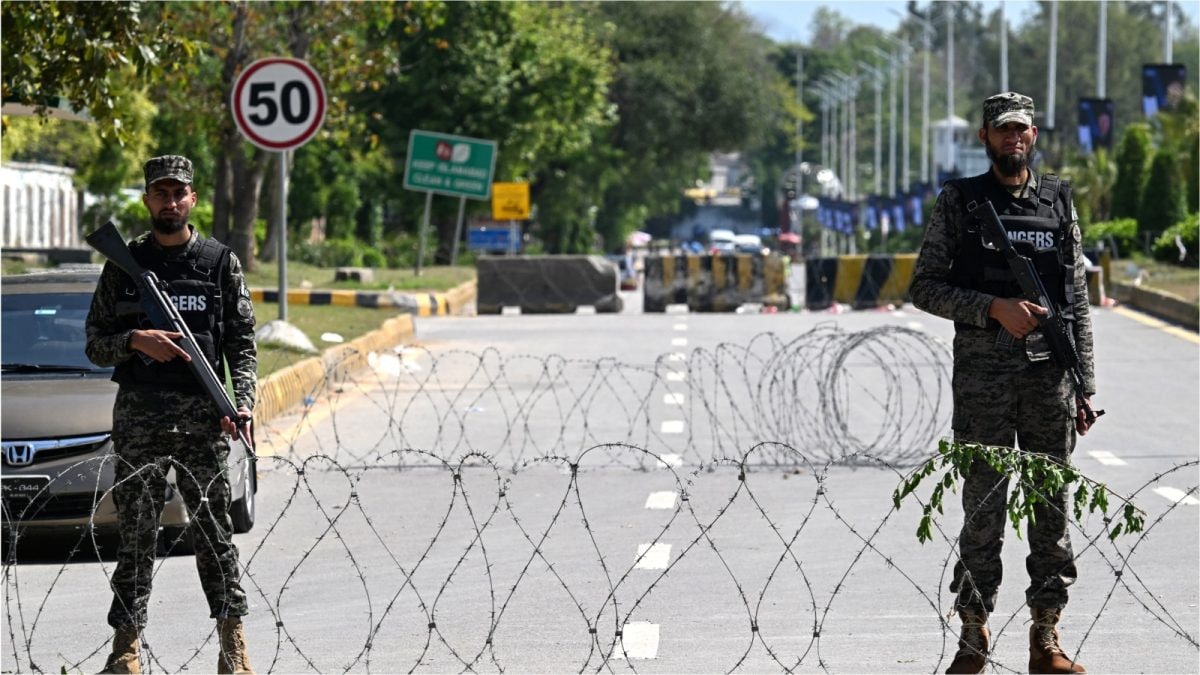
Later in the day, I visited a friend who works at the ICT Police headquarters. He told me that the police force had increased its presence around the diplomatic venues to maintain security, but everyday policing duties for the city continued as normal. The fact that essential services stayed open gave a sense of stability, even as the rest of the city slowed down.
Imagery of a City on Pause
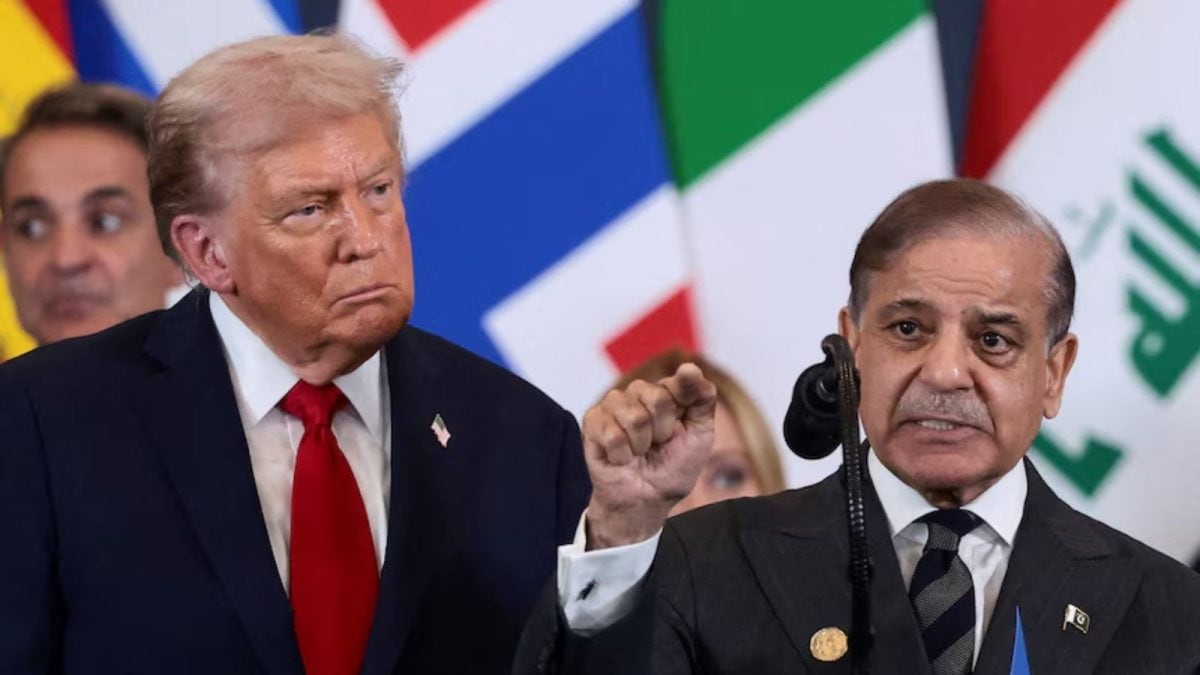
Seeing the empty market lanes reminded me of the quiet you get in the early mornings of Ramadan before the city wakes up. The only sounds were the occasional bird chirps and distant murmurs of a few police patrols. This visual contrast made the significance of the talks feel more personal – it was as if the entire nation was holding its breath, waiting to see what would unfold.
Conversations Over Tea: What People Thought
In the afternoon, I joined a small gathering at a local tea stall. The owner, a jolly man named Ahmed, served samosa and chai as usual. Over the steaming cups, we discussed the possible outcomes of the meeting. Most of us were hopeful that the talks could ease the tensions that have been spilling over into the neighbourhoods near the border. Some of the younger patrons, who followed global news on their phones, talked about how a ceasefire could mean better trade opportunities for the region.
One elder, who had lived through the 1970s conflicts, expressed cautious optimism. "If the United States and Iran can find common ground, maybe our own borders will feel safer," he said, tapping his fingers on the tea glass. It was a simple conversation, but it captured the collective yearning for stability.
How the Holiday Affected Daily Life
Schools across Islamabad were closed, which meant that many children stayed at home, playing cricket in the lanes. Parents, who would normally be busy with office work, found themselves with extra time. Some opted to work from home, attending virtual meetings, while others took the day off completely, enjoying a rare break from the usual grind.
Local businesses that were not listed as essential faced a dilemma. While some chose to remain closed, others opened their doors, offering discounts to attract the few shoppers who were still out. I noticed a small bakery on F-6 that put up a sign saying, "Open for our neighbours – we are here for you." It was a small gesture, but it highlighted the community spirit that surfaces during such unusual days.
Behind the Scenes: Security and Logistics
From the information I gathered, security preparations were massive. The United States delegation, led by Vice President JD Vance, was set to stay at a high‑security hotel in the city. The ICT Police coordinated with the Ministry of Interior to ensure secure transport routes. On the streets, I observed several convoy lanes marked with signs, and uniformed officers directing traffic. The coordination reminded me of the kind of logistics we see during the Republic Day parade, but on a far more restrained scale.
There were also reports that the Capital Development Authority had temporarily redirected certain city services to manage the increased demand for security personnel. I spoke to a CDA official who explained that while the holiday was declared for most offices, the department itself had to stay operational to handle the extra responsibilities.
What the Talks Could Mean for Pakistan
Pakistan has often found itself in a delicate position, being geographically close to both the United States and Iran. A successful dialogue could ease regional tensions, potentially opening up avenues for trade and cooperation. Many analysts believe that if the United States and Iran can aGree on a ceasefire or a framework for future negotiations, the ripple effects could benefit the entire sub‑continent.
During a conversation with my colleague who works at a think‑tank, we discussed how reduced hostilities could lower the cost of security for Pakistan and perhaps free up resources for development projects. He mentioned that the longstanding relationship between Pakistan and the United States might gain a new dimension if confidence builds between the United States and Iran.
Personal Reflections on a Day of Pause
Looking back, the day felt like a pause button on the usual hustle of Islamabad. While the city slowed down, the world outside kept turning, and high‑level diplomats were negotiating behind closed doors. I felt a mixture of pride – because my city was chosen to host such important talks – and curiosity about what the outcomes would be.
In the evenings, as the sun set behind the Margalla hills, I sat on my balcony and thought about the possibilities. If peace could be fostered, perhaps the next holiday in Islamabad would be a celebration of that achievement rather than just a day off for diplomatic reasons.
Conclusion: A Holiday That Signifies More Than a Day Off
The local holiday declared by the administration of Islamabad Capital Territory on 11 April, 2026 was more than a break from routine – it was a symbolic moment that highlighted Islamabad’s role on the international stage. While essential services such as Metropolitan Corporation Islamabad, Capital Development Authority, ICT Administration, ICT Police, IESCO, SNGPL and hospitals kept the city functional, the majority of offices shut their doors to make way for the United States‑Iran talks led by Vice President JD Vance.
For the everyday citizen, the day turned into an unexpected pause, filled with quiet streets, communal tea conversations, and a collective hope that the diplomatic talks might pave the way for a more stable future. Whether the talks usher in lasting peace remains to be seen, but the experience of that quiet Saturday will linger in the memories of Islamabad’s residents for a long time.